
As children transition into adolescence, they naturally challenge authority, test boundaries, and explore various aspects of their identity—intellectually, emotionally, and socially. This exploration often includes risk-taking behaviour, which can be a source of concern for parents, particularly regarding substance use.
It is not uncommon for a previously polite and cheerful child to seemingly transform into a rebellious and withdrawn teenager almost overnight. This change can be accompanied by the development of emotional and behavioural challenges that are often difficult to identify and address. In my experience, effective counselling or psychological support combines scientific knowledge with trained expertise, and sometimes an element of intuitive insight.
Monitoring Your Teen’s Well-Being
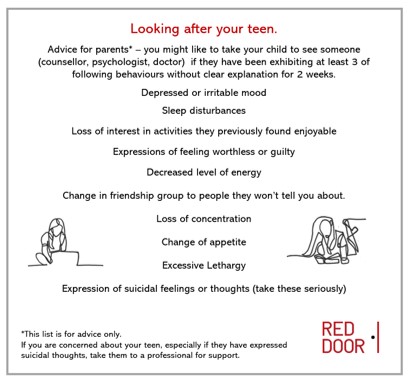
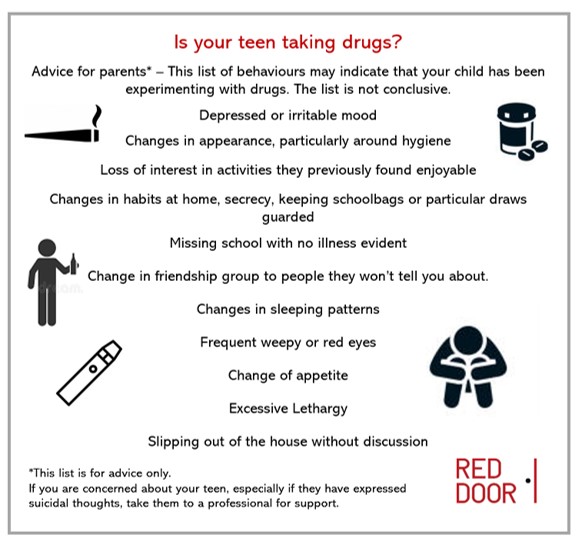
Stay vigilant as you observe changes in your teenager’s behaviour and emotional state. Be particularly attentive to feelings that persist over a few weeks. Trust your instincts—if you have concerns about your child’s mental health or behaviour, seeking guidance from a medical professional, psychologist, or counsellor is advisable.
Understanding Concerns About Substance Use
While some degree of risk-taking is typical during adolescence, exposure to substances can be more prevalent for international teenagers residing in Hong Kong. Research indicates that nearly half of young individuals in the region have consumed alcohol before reaching 21. Locations such as Lan Kwai Fong, Stanley, and Wanchai often attract teenagers engaging in drinking. While many parents adopt a permissive stance towards alcohol, it is essential to remain vigilant regarding your child’s consumption.
A less tolerant view is often held regarding illicit drugs. Many young people in Hong Kong have been reported to use various substances, and the prevalence of secretive drug use underscores the importance of open communication.
The Reality of Drug Use Among Teens
Much of the drug use among teenagers occurs in secrecy. The Narcotics Division of the Security Bureau regularly conducts surveys targeting school and university students in Hong Kong to assess tobacco, alcohol, and drug use among young people. These surveys often follow a “have you ever” format, measuring lifetime consumption.
According to their reports, which have some methodological limitations that may lead to under reporting, 7.4% of individuals under 21 have used tobacco products, 2.5% (approximately 17,300 students) have experimented with drugs, and 47.5% have consumed alcohol. Alcohol appears to be the substance of choice among teens.
It’s essential to recognise that these numbers likely under represent actual usage. Many teenagers do not view vaping as equivalent to traditional tobacco use, despite the fact that vaping carries many similar health risks. The survey results depend on the honesty of teenagers regarding their substance use, which can be questionable. Additionally, the surveys typically include students still enrolled in the educational system, potentially excluding those who have left, thereby overlooking a demographic that may be more susceptible to regular or chaotic drug use.
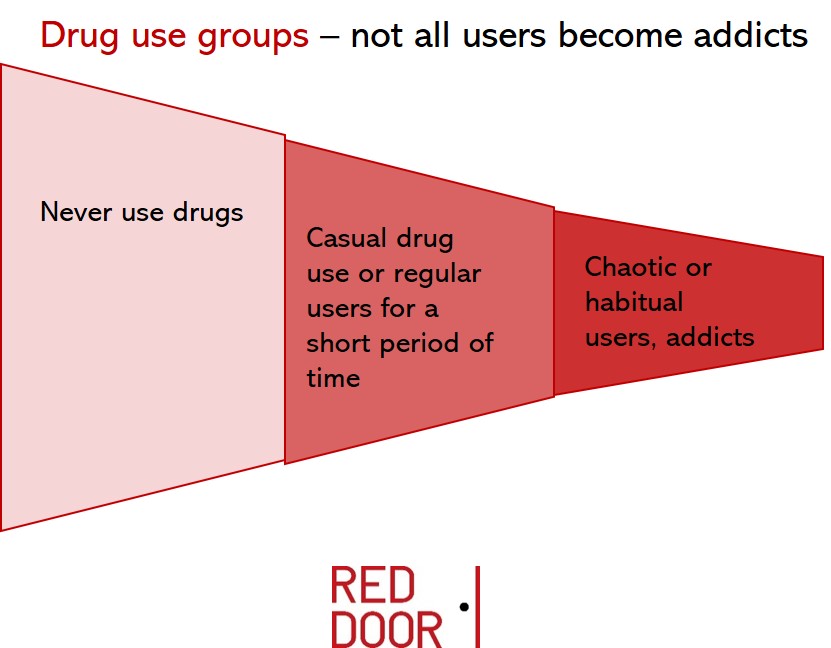
Certain substances are more addictive than others, and some individuals are more vulnerable to developing substance use disorders. It is important to remember that no one intends to become dependent on drugs after their first experience—no one plans to enter a cycle of escalating drug use. While many individuals may use substances casually or on a regular basis and then subsequently stop, a proportion of these users may become more chaotic and entrenched in their substance use. Literature on drug use often categorises individuals into non-users and addicts; however, this binary perspective fails to acknowledge the many teenagers who may use drugs temporarily and then cease use.
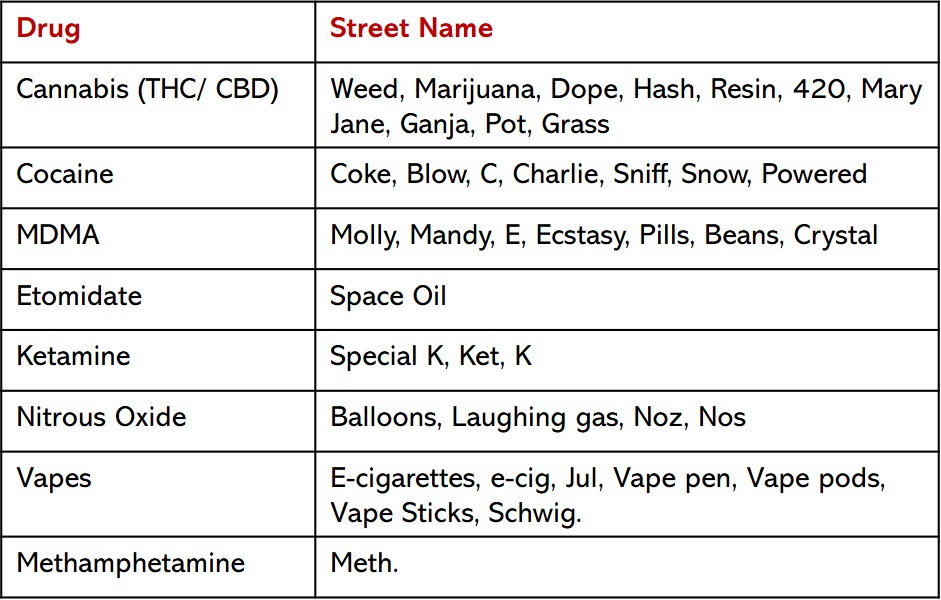
When discussing young adults and substance use, it is common to focus on the consumption of a single drug. However, poly-drug use, defined as the simultaneous use of multiple substances or a combination of one or two drugs, is increasingly typical among teens and young adults. For example, combinations such as alcohol and cocaine are quite prevalent. Similarly, individuals might use MDMA (also known as Mandy or Molly) and later resort to cannabis to manage the comedown effects. Another common pairing includes the use of cocaine alongside cannabis.
Poly-drug use can encompass both illicit and legal substances and often serves to mitigate the negative side effects associated with certain drugs.
For example, during a night out, a person may start with a couple of glasses of wine, followed by some lines of cocaine. As the night progresses, they might take a sleeping pill to counteract the stimulation and help them sleep. The following morning, if they wake up feeling unwell, they may either continue drinking, partake in more cocaine, or take a Xanax, a prescribed pharmaceutical. Within a mere 12-hour period, rather than simply consuming one or two lines of cocaine, this individual could have ingested alcohol, cocaine, cannabis, and sleep aids or medication like Xanax. This cumulative intake represents a significant amount of substances for one person to manage.
Why Do Teens Use Drugs?
Feeling Good: When you ask a teenager why they use drugs, they often respond simply, “They feel GOOD.” This pleasure can lead to an oversight in recovery, where the immediate enjoyment of drug use takes precedence over addressing underlying issues.
Escaping Pain: In addition to the pleasurable effects, many teens subscribe to the self-medication theory of drug use. They may consume drugs to temporarily escape pain or intolerable feelings, including boredom. In therapeutic settings, we focus on two key aspects: enhancing their tolerance for distressing emotions and exploring the new challenges that drug use may introduce. In my experience, many teens, particularly with substances like marijuana and alcohol, believe that these substances alleviate their anxiety. However, upon closer examination, these drugs can often exacerbate negative feelings, including anxiety and depression.
Social Status: There are also perceived social benefits associated with drug use. Teens often report, “Everyone in my year is smoking weed.” The desire to fit in can drive them to use drugs to avoid standing out as uncool. Additionally, being associated with substance supply can enhance social status among peers, further compelling some teens to partake in drug use.
Minimising Risks: Many teens harbour the belief that drugs are not particularly risky. Phrases like, “Weed is legal in many places” or “I can stop whenever I want” highlight their perspective. As a parent, your attitude toward drugs can significantly influence your child’s choices. Authoritative parents—those who respond to their children’s needs while maintaining high behavioural standards—are often better positioned to guide their teens effectively.
It’s important to clarify that this discussion is not an endorsement of drug use. Acknowledging that drug use occurs and is often rationalised by teens is essential for fostering meaningful conversations and understanding.
Confronting Misconceptions About Substance Use

Teens may not fully appreciate the potential consequences of substance use, often believing that they can control their consumption or that certain drugs are harmless. As a parent, your attitude toward drugs can significantly influence your teenager’s choices. Authoritative parenting—characterised by responsiveness to children’s needs while maintaining high standards—fosters an environment where positive mental health practices prevail.
Acknowledging that many teenagers engage in drug use is crucial. Open, non-judgmental discussions can facilitate better understanding and decision-making regarding substances.
Engaging in Meaningful Conversations
When discussing drug use, consider the following approaches:
- Discuss the Consequences: Educate your teenager about how substances can negatively impact cognitive development and emotional well-being. Neuroscientific research indicates that regular consumption of alcohol and marijuana can impair memory and focus.
- Recognise the Risks: Acknowledge concerns about addiction—many teenagers may not perceive themselves as vulnerable. Discuss any family history of addiction or mental health issues that could heighten their risk.
- Explore Alternatives: Help your teenager identify healthier coping mechanisms for intolerable feelings. Encourage participation in activities that reduce stress, anxiety, and isolation, fostering resilience in the face of challenges.
- Challenge Misinformation: Encourage critical thinking about the perception of substances. Discuss misleading beliefs surrounding drug use and its supposed ability to provide relief from emotional difficulties.
- Maintain Open Dialogue: Create an environment where your teenager feels comfortable discussing their experiences and thoughts about substances without fear of judgement. Active listening fosters trust and understanding.
- Model Moderation: As parents, it is crucial to model moderation in substance use. Your own habits and attitudes towards substances will influence your teenager’s perceptions and behaviours. Demonstrating responsible consumption can serve as a practical guide for your child, reinforcing the importance of balance and moderation.
Ultimately, while it may not be feasible to prevent all substance use, maintaining a supportive and communicative relationship with your teenager is paramount. Holding high expectations while demonstrating understanding can significantly impact their decision-making process. Your supportive role is invaluable in guiding your teen through these formative years casual use, or brand them as addicts, beyond hope or as bad people. Holding positive regard for our teens, whilst expecting them to be responsible to reach their best, really does help.
_________
About the author
Angela Watkins is a counsellor working with teens and adults. One of her areas of expertise is breaking free from addictions and substance misuse. If you would like to contact Angela for a session please email angelaw@reddoor.hk.
_____
References
1 –https://www.nd.gov.hk/en/survey_of_drug_use_20-21.html
2 The teenage brain – Jensen and Nutt
3. Alcohol lied to me.

