We’re about to embark on Pride month – thirty days to celebrate and commemorate Lesbian, Gay, Bisexual, Transgender and Queer (LGBTQ+) people, to recognise the impact LGBTQ+ people have had on history and culture, and to acknowledge the past and ongoing adversity the community faces.
Ok, I get it, let’s celebrate!
But why is this important and what does it have to do with mental health?
Well, consider this – 83% of LBGTQ+ people still hide their sexual orientation.[1]
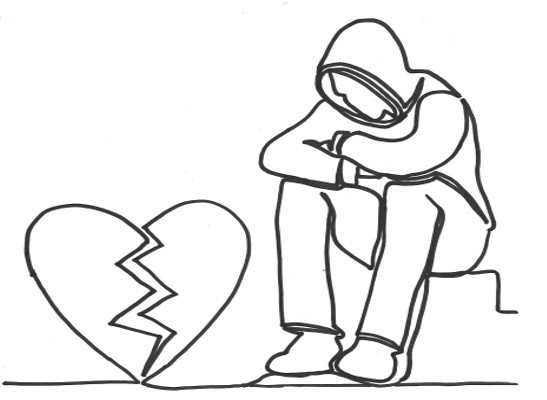
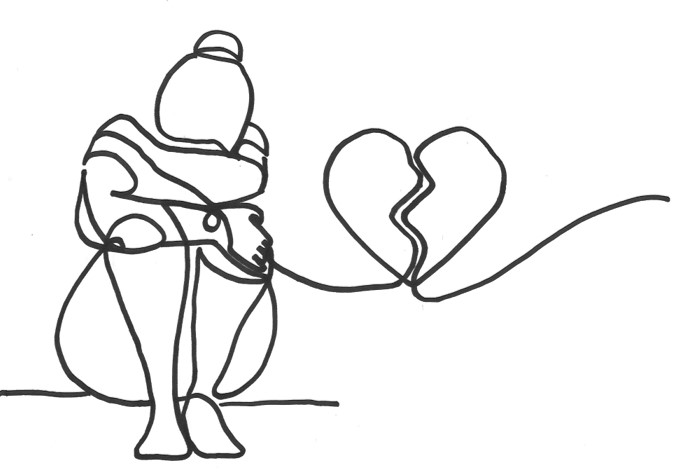
Yes, societal attitudes towards sexual minorities have improved in the last few decades, and yes, LGBTQ+ visibility and rights have made progress. However, studies show that LGBTQ+ individuals, and especially LGBTQ+ youth, still face disproportionate mental health burdens with significantly higher rates of depression, anxiety, and suicidality. This isn’t because these individuals are inherently prone to poor mental health, but because LGBTQ+ people tend to have lower rates of self-acceptance and experience the effects of minority stress.
Minority stress is the chronic social stress that LGBTQ+ people are exposed to day-in-day-out, ranging from prejudice to negative stereotyping, hostility, harassment, rejection, limited rights from laws and policies, stigma, internalised homophobia – the list is long.
All these micro-aggressions mean something, they build and chip away at our self-esteem, our wellbeing, and positive development. This societal stigma, discrimination, and rejection from family and friends contributes to lower rates of self-acceptance amongst LGBTQ+ people, and in turn leads to higher rates of depression, anxiety, suicidality, and substance abuse in the community.
The Rainbow Reality
With these societal challenges, it’s not surprising that the vast majority of LGBTQ+ people are still hiding. However, living a hidden life and concealing one’s true identity is significantly associated with depression and negative psychological wellbeing.
So how do we reconcile with our identity and overcome the shame? How do we manage the stress of living in a society that often doesn’t accept or validate our identities, as well as the trauma of discrimination, bullying, harassment, and violence, plus the potential lack of support and acceptance from family and peers?
Where to Begin?
Changing societal norms is hard, although so many people are doing incredible work to improve equality. Putting this aside, we are able to create change within ourselves and we are in control of the way we understand and respond to our world.
The challenges that LGBTQ+ people face can lead to feelings of isolation, discrimination, rejection, shame, and low self-esteem. Exploring these thoughts and feelings about your identity can be difficult and uncomfortable. That’s where counselling can help, providing a safe space to do the hard work, with empathy and encouragement.
A counsellor can help you challenge your negative thoughts about your sexuality and instead engage in affirmation of your identity, visibility, and validation of your experiences. Evidence-based approaches such as cognitive-behavioural therapy (CBT) can help shift problematic thought patterns, and teach coping skills or alternative ways to think, behave, and react to situations and experiences.
The Road to Self-Acceptance
Regardless of sexual identity, mental wellbeing improves when we feel respected, valued and psychologically safe. Self-acceptance is the act of acknowledging who you are, in all your fabulous and flawed glory. It is an essential part of living a fulfilling life.
Sadly, research shows lower rates of self-acceptance among LGBTQ+ people. Importantly, low self-esteem is unlikely to blame for this lower rate of self-acceptance among LGBTQ+ people. Instead, the adverse opinions, prejudice, and victimization that many LGBTQ+ people face is what poses significant obstacles to self-acceptance.
It’s challenging to avoid internalizing negative society attitudes and ideas when constantly exposed to negative messaging about queer identity. These internalized messages have the potential to lead to increasing self-criticism and negative self-perceptions over time. Our individual lack of self-acceptance is ultimately caused by this social lack of acceptance.
But where to start?
Learn about the LGBTQ+ community, its history, and the challenges still being faced. There is culture and connection waiting for you. Validate and celebrate your identity and the diversity of the LGBTQ+ community. You belong here.
Connect with others and build a support system
You are not alone. Find your own LGBTQ+ community, whether through in-person support groups or online. Surround yourself with people who accept you and support you, whether it’s friends, family, or allies. Join in Pride events and affirm your identity.
Practice self-care and compassion
Be kind to yourself – we are always harder on ourselves and more generous with others. Take care of yourself physically and mentally. Eat well, sleep well, and engage in activities that bring you joy.
Challenge negative thoughts and your inner critic
When we hear things frequently, we start to believe them. Identify your inner critic – that little voice inside your head that tells you you’re not good enough – and tell it to shut up. Replace negative self-talk with positive affirmations. Try journaling to identify problem patterns, reflect, and express yourself authentically.
Identify your personal values and goals
Redefine yourself according to your own values. Embrace your authentic self and live your life in a way that feels true to you. Addressing self-blame and shame, affirming your own identity, and validating your experiences fosters self-acceptance and helps develop resilience against past, present, and future adversity.
Doing the hard work
Don’t kid yourself, none of this is easy. Finding self-acceptance and establishing a positive identity is difficult, but it is a vital source of resilience. Counselling provides a supportive and safe space to explore feelings, process emotions, and develop coping strategies. It can help LGBTQ+ people better understand their sexual orientation and gender identity, and work through experiences of discrimination or rejection. Finding your pride is much deeper than a month on the calendar, true self-acceptance is key to improving mental wellbeing and a happier, healthier life.
So if you or someone you know is struggling with mental health challenges related to their LGBTQ+ identity, consider reaching out to a counsellor for support.
About the author: This blog is written by Fiona Travers whilst she was a counsellor at RED DOOR. Fional is currenty on a sabatical from counselling practice.
RED DOOR is committed to being a gender affirming and LGBTQ+ supporting practice. Contact the Red Door Reception to set up an appointment with one of our therapists contact reception@reddoor.hk or text 852-93785428.
As our children grow, we may often ask, “What does it mean for my child to become independent?” While parents instinctively want to guide their children toward adulthood, we frequently find ourselves teetering on the edge of micromanagement.
It’s essential to realise that we cannot baby someone into adulthood. Building independence in our teens requires a conscious effort to step back, accept imperfections, and allow them to learn through experience. Here are some insights on how parents can facilitate this critical transition.
The Impact of Cultural Context
In Hong Kong, many teens are raised with the help of domestic helpers, which takes the load of everyday chores off the family. This can lead to a type of learned helplessness, as our teens may not engage in basic tasks such as making their own beds, washing their clothes, or tidying their rooms. To foster independence, we must allow our teens to encounter challenges and learn from them.
Creating a Learning Environment
Encouraging independence doesn’t mean abandoning our teens to fend for themselves. A strategic approach involves:
Show Them How: Initially, demonstrate how to perform a task.
Watch Them: Observe them as they attempt it, providing guidance as necessary.
Empower Them: Gradually allow them to take complete responsibility for the task.
Setting Expectations
While it’s vital to establish expectations, these should not become a checklist of failures. Instead, frame them as pathways to growth. Remind your teen that it’s perfectly fine not to get everything right on the first try. Emphasise persistence and resilience while normalising struggle. Life is hard work, and expecting your child to contribute is essential.
The Value of Experiencing Failure
Let your child experience setbacks, which can be valuable learning opportunities. Allow them to:
Feel disappointed when not invited to a party.
Grieve the loss of a pet.
Face the consequences of breaking something of yours.
Work hard for an assignment yet still receive a poor grade.
These experiences will teach them that life isn’t always easy and that they need to develop resilience.
Reflecting on Personal Experiences
Reflecting on my own journey, I recall a time when my 19-year-old daughter was set to catch a domestic flight on her own. Overwhelmed with anxiety, my initial impulse was to micromanage every detail. Instead, I chose to send her a simple text: “Please let us know when you land.” This approach allowed me to step back while still showing I cared. It reminded me that we must grapple with our anxiety as parents and find ways to manage it, including modelling behaviour for our children.
Individuality Matters
Remember, your child is not you; they are their own person, aiming for independence. We often lament that our children aren’t becoming independent, but the reality might be that we don’t provide them the space to do so—especially as helicopter parents. Assess their track record and gradually extend freedoms as they demonstrate responsibility.
Encouraging Participation in Household Chores
Invite your teen to contribute to household tasks. Start with questions like, “Which part of dinner would you like to help with?” This involvement fosters a sense of responsibility.
The Four Steps to Independence
To encourage independence, follow this model:
We Do It For You: Demonstrating tasks completely.
We Do It With You: Assisting them as they learn.
We Watch You Do It: Observing as they take on the task.
You Do It Completely: Allowing them to take full responsibility.
Remember, it’s essential to relinquish the need for perfection. Acknowledge their efforts with positive reinforcement. For instance, “I appreciate that you washed the dishes tonight. Next time, you might want to rinse them twice to clear off the grease.” This encouragement promotes their willingness to take on tasks independently.
Age-Appropriate Chores
Assign chores that fit your teen’s age and capability. This approach not only teaches responsibility but also boosts their confidence. Here’s a checklist of activities your teenager could learn to perform:
Wash, fold, and put away their own clothes.
Make their bed.
Tidy their room.
Sew a button or perform a simple sewing task.
Sweep the floor.
Prepare a simple meal by following a basic recipe.
Count change and pay in cash.
Take out the rubbish.
Run errands to the local supermarket.
Change their bedding.
Iron clothes.
Look after younger siblings (if age-appropriate).
Apply for a job or course.
Read and understand medicine labels.
For teens over 18, consider tasks like:
Booking a doctor’s appointment.
Managing their own bank account.
Replacing a lost ID card.
Understanding basic contracts (e.g., for university accommodation
Fostering independence in our teens is a crucial aspect of their transition to adulthood. By providing them with the tools and opportunities to take on responsibilities, learn from failures, and make their own decisions, we empower them to navigate the complexities of life with confidence.
As parents, it can be challenging to step back and allow our children to face hardships, but these experiences are vital for their growth. By embracing a supportive and encouraging approach, we can help them develop the resilience and skills they need to thrive in the real world.
Remember, independence is not just about doing things perfectly but about learning, adapting, and growing through experiences—both good and bad. By letting go of control, we facilitate their journey towards becoming capable, self-sufficient individuals ready to embrace life’s challenges. Let’s nurture their independence, celebrate their achievements, and support them as they carve their own paths in the world.
A Special Word About Special Needs
As a parent of a child with special educational needs (Autism), the progression towards independence can be even more challenging. I have very different expectations of my child with special needs compared to my “typical” child.
That said, I know that, like many parents, I can fall into the “just help them rather than let them fail” school of thought. I encourage parents, including myself, to challenge this perspective. While your child may not be likely to live independently, we can still structure the development of independent skills in a manner that helps them—and us—strive for greater autonomy for our children. Below is a list that might be helpful if you have a child with special needs. Whichever column describes their capabilities right now, I want you to consider if moving them to the next column of skills is possible. Talk to your psychologist or special needs educators about whether such activities could be possible and how to achieve this if you aren’t sure what to do.
Writing a journal, or journalling, can significantly improve your health, especially if you are facing health challenges due to stress or have previously experienced a traumatic event. Research from the US indicates that individuals who write expressively in journals visit the doctor less frequently than those who don’t. Expressive writing (writing about your thoughts, reactions to situations, and experiences, including negative life events) is a powerful self-reflective tool. By exploring emotional moments in our lives, we are compelled to examine who we are, our values, and who we aspire to become.
While the standard journal style involves detailing your day with comments and reflections on your experiences, there are other formats that can also be helpful—such as responding to prompts or interweaving drawings with words. All of these styles are beneficial. It doesn’t matter whether you handwrite or type your journal; research shows no significant difference in health benefits between the two methods. However, it is essential that you write solely for yourself and keep your journal in a private, secure place.
Here are my top six reasons to start writing a journal:
1. Cheap Therapy
Without jeopardising my profession, the first benefit of journaling is that it serves as a form of free therapy from which all types of people can emotionally benefit. Research shows that men, in particular, gain from this activity. Writing about stressful events allows the writer to experience them from a distance with much-needed detachment, helping them to review and come to terms with those events. This has a positive effect on how you experience stress related to those situations. Journaling can also complement talk therapy, reinforcing and accelerating the therapeutic process.
2. Access All Areas
Journaling increases your self-awareness and your ability to reflect on your decision-making style. For instance, you may start to see your internal voice on the page insisting that you MUST and SHOULD do certain things. Ask yourself, especially if you are an adult, why you should or must do anything. If you track your mood over several days, you will be able to assess when you feel better or worse and how many days you’ve felt strong and capable as opposed to flat or sad. This can help you decide whether you can change those behaviours on your own or if you would like to seek additional support.
3. Stress Buster
When we have too many tasks running through our minds, along with heavy expectations we place on ourselves, we can become overwhelmed. Writing in a journal during such times will help you focus, calm your heart rate, and allow you to negotiate with your inner “shoulda-coulda-woulda” voice. This will enable you to discern which items you genuinely need to complete to stay on your life plan versus what is merely ‘noise.’
4. Problem Solved
When you write out a problem, your analytical mind can reinterpret the situation from a less emotional perspective, making it likely that you will discover different opportunities to tackle the issue. If you have a problem to solve, challenge yourself to write down five different solutions, even including the ludicrous ones. Also, consider reframing your view of the “problem.” Could it be viewed as an opportunity for growth, learning, or acceptance? Simply processing these ideas can help you structure a workable solution.
5. Resolve Conflicts
Writing about your unresolved conflicts with others can help clarify your own perspective on events while leaving you open to reinterpret your views and those of the other party or parties involved. Even documenting your emotional reactions within a dispute can serve as helpful therapy.
6. Increase Your Sense of Gratitude
A positive by-product of recounting your experiences is that you also get to acknowledge the sources of support in your life and the aspects that are good. If you don’t find gratitude naturally occurring, consider adding a section in your journal to celebrate three things you are grateful for in each entry.
Where to Start?
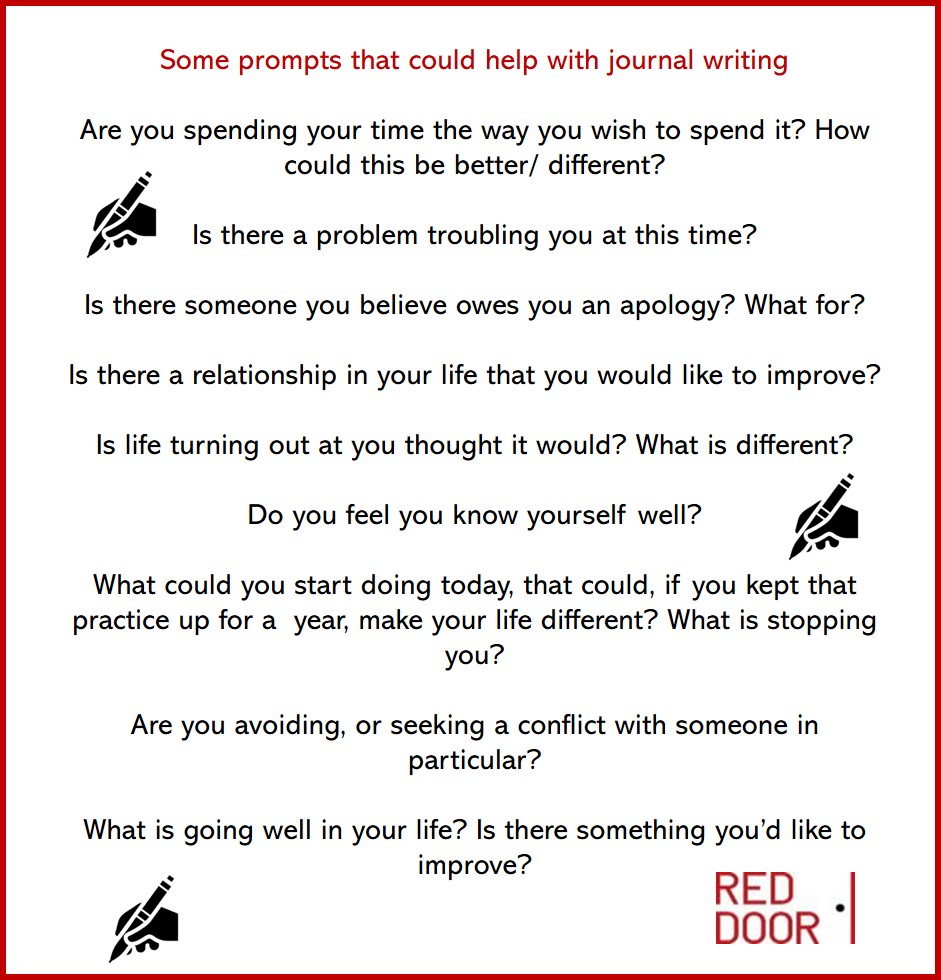
If you are experiencing a current stressful event or have faced previous trauma, you might find it helpful to write about these as a starting point. If you feel stuck, I’ve included a list of prompts that may assist you in reflecting on what is happening in your life and how you might like it to change.
Remember, in the words of Socrates, “An unexamined life is a life not worth living.”
Welcome to our blog series, “Love Matters,” where counsellors Angela Watkins and Elizabeth Wu delve into the complexities of relationships and love. With a shared passion for helping individuals navigate their romantic lives, Angela serves as a practising couple’s therapist, while Liz brings her expertise to address the emotional intricacies of love to individuals,
In this session, we turn our focus to the sensitive topic of infidelity. Infidelity is a multifaceted issue that can have devastating effects on relationships. Whether rooted in emotional connections or physical affairs, the breach of trust often leads to heartbreak, confusion, and turmoil. In today’s fast-paced world, where social media and online interactions can blur the lines of intimacy, understanding the nuances of infidelity becomes essential. This blog will explore the various dimensions of infidelity, including its causes, effects, and the journey towards healing for those affected. Join us as we illuminate the realities of betrayal and the path to recovery together.
Is Infidelity the end of a relationship?
The quick answer is no, but it is the end of the relationship as it was. That version of trust, innocence and safety has died. The question is whether you’re both willing to mourn that loss and build something new, sometimes with the same two people.
If you want to survive infidelity, you need to engage with the affair properly first and be honest with yourselves. You will need to explore questions like:
Why did the affair happen? What was it serving? What does the behaviour reveal about the relationship? And what does this reveal about the individual who has betrayed the relationship?
If the betrayed partner is genuinely willing to move towards understanding, then there is a chance for you to survive it. There is research that has shown that couples who survive infidelity report more intimacy afterwards when both are equally committed to the repair. However, if the unfaithful partner remains defensive or the betrayed partner cannot tolerate ambiguity, the likelihood of surviving this will be slim.
In this process, I would highly recommend using seeking professional support, this is something that is very difficult to navigate successfully alone. It’s too large for it to be settled just between two people.
Affairs represent both an act of betrayal and an expression of longing, love, and loss. They destroy the innocence of a relationship, and while there are many reasons why affairs occur—such as loneliness, years of sexual stagnation, resentment, regret, neglect, craving attention, alcohol misuse, and extended time apart—these elements are often the nuts and bolts of everyday infidelity.
People stray because their marriage fails to provide the love, passion, and individual attention they expect. Our perceptions of marriage and relationships have evolved, leading to differing expectations.
When working with couples in therapy, I often say, “Your first marriage is over. Would you like to explore what version 2.0 looks like for you?” Even if one partner has strayed, it’s essential to recognize the underlying conditions that contributed to that choice. This isn’t about assigning blame, but rather about understanding that the relationship may not have been where it needed to be.
A third party, like a therapist, can be invaluable in unpacking these complexities. Infidelity is not merely about one person’s wrongdoing; it’s crucial to explore the unmet needs and emotional voids within the marriage. This helps us understand why someone sought attention outside the relationship. Ultimately, infidelity is a symptom of a other issues requiring attention and change, not the end of the relationship.
Can you forgive a cheater?
There’s a beautiful phrase by Esther Perel, the esteemed relationship therapist, which resonates deeply: “Every betrayal was once a love story.” Betrayal affects us on many levels—it destroys the innocence of the relationship and leads to feelings of abandonment, rejection, and humiliation. Love is meant to protect us, creating a sense of safety or a “bubble,” but when that bubble bursts, it shatters our perceptions of love and self-worth, leaving us vulnerable and hurt.
Forgiveness in this context is intricate and not automatic. It’s more than just saying “sorry”; it involves doing the necessary work to understand how we arrived at this point and envisioning what the next version of our relationship could look like. Recommitting to the relationship can be challenging, especially in therapy when it becomes clear that deeper issues have persisted for years. However, recognizing that certain aspects are stagnant or damaged doesn’t automatically lead to divorce. It simply highlights that forgiveness can be a struggle.
I would also like to add that forgiveness doesn’t always mean staying in the relationship. You can forgive someone and still choose to leave. Forgiveness is not the same as condoning what happened, and it does not erase the betrayal.
Consider forgiveness as a state of mind, an act of releasing yourself from a prison of resentment that shouldn’t be yours to carry. It’s like drinking poison while waiting for the other person to die. Which is kind of true, because unsolved resentment actives your stress responses, which in turn affects your sleep and immune functions, but worse of all, it keeps you tethered to these painful memories that you are supposed to be moving past.
Ultimately, forgiveness allows you to find peace and move forward in your life, regardless of your decision to stay or leave. Give yourself that gift.
Yeah, I love the concept of, you know, forgiveness being the gift that you give to yourself. So, there’s kind of famous cases of people who have had very abusive relationships, or like when they were kidnapped, you know, like, and they forgive their kidnappers simply so that that person has no more power over them.
Is chatting online cheating?
I believe that cheating is subjective and depends on individual perspectives. Each couple sets their own expectations for their relationship, which are not always discussed explicitly. By clarifying our expectations, we can have open discussions as a team about what we consider cheating.
Yes, I know many couples don’t discuss boundaries for digital relationships, and that can create a grey zone. If you have never discussed digital boundaries, then you are both navigating by assumption, and these assumptions can build into quiet resentment.
A good way to test this is – would you be comfortable showing your partner this conversation in its entirety right now? Not curated by the whole thread. If the answer is not an immediate yes, then that’s worth exploring. Secrecy does not mean wrongdoing but can be a signal that a boundary is being approached.
I urge couples to have an honest discussion about digital agreement before this becomes an issue. What does infidelity look like in this era of technology? Is following influencers you find attractive ok? Is commenting or liking other people’s photos ok? This does not have to be an awkward conversation but a loving one. You can write the rules so clearly so there are no misunderstandings, rather than finding out after the fact that you were operating on different assumptions.
Also, when your friendship pool is your dating pool, it’s very, very different.
Quite simply people can have different expectations on what is cheating and what is not, so having a discussion on what is considered cheating might be helpful for many couples.
Is a physical affair worse from an emotional affair?
Much has been written about whether an emotional affair is worse than a physical one—Esther Perel refers to these as “stolen love” versus “forbidden sex.” I find her phrasing compelling. In my experience working in divorce and marital counselling, I often see that people can forgive physical infidelity but struggle to forgive an emotional connection. It’s not that they cannot accept desire; rather, they are deeply troubled by sharing the feeling of being special or seen with someone else.
Additionally, Perel makes a noteworthy distinction between “professional sex” and sex within a romantic relationship. She recounts some of her clients’ perspectives: “You don’t have to pay a prostitute to come; you just have to pay her to leave.” This illustrates how some view sex differently than emotions. According to Perel’s findings, many men tend to commoditize sex, especially concerning aspects like pornography or visiting prostitutes, which are often seen as just “things men do.”
Ultimately, I believe that society is often more accepting of physical encounters than emotional connections, which carry deeper implications for intimacy and trust.
Forgiveness and moving on become particularly difficult when the person in an emotional affair feel more like a construct than a real individual with substance, especially when it involves “stolen love.” This type of infidelity often invokes feelings of rejection and humiliation in the other party. It leads to a perception that there is something inherently wrong with them, rather than simply grappling with the idea that their partner may not find them attractive or may have certain preferences or kinks.
With “stolen love,” it feels as though the individual is building a parallel world with someone else, which adds another layer of complexity to the betrayal. It takes a lot of time and resources to build something like that, and that type of emotional investment would create a deeper attachment wound than a type of physical betrayal, which can be written off as a moment of weakness, a failure of impulse.
However, I think even having a hierarchy of asking which is “worse” can also minimize one’s pain over another over the category of affair. Neither is worse, they both shatter trust. A betrayal is a betrayal, your trust is broken in both cases, whether it is physical or emotional, and any form of betrayal of your loved one is a very painful experience.
I know that my friend’s partner is cheating. Should I tell my friend?
There’s a well-known family therapist, Lisa Spiegel, who poses an important question: “Is it helpful? Is it honest? Is it kind?” So, I recommend to check why and what you want to say.
Having run Iron Fairies for nine years, I’ve seen many women in that group who experienced betrayal through infidelity in their marriages. Some discovered the truth late, while others were already aware, and many had friends who knew as well. My informal research suggests that most of these women would have preferred their friends to inform them of the betrayal
Whilst it already humiliating to learn that your partner has been unfaithful, but discovering that everyone else knew intensifies that humiliation. When faced with betrayal, individuals often enter cycles of rumination about what others think or say about them. If they suspect that others are aware of the affair, this cycle can become even more painful. This is part of the harm of infidelity; it can open a chasm of painful self-esteem-oriented worries in a partner
For me, I also have three questions to build on yours: What do you know? Why do you want to tell them? And who is this person to you?
On what you know – Did you see something directly or is it told to you by someone else? If it is told, how trustworthy is that person and who is that person to you? There is a difference between confirmed knowledge and gathered intel. The weight of your obligation should be considered on where your information sits. Sharing a confirmed fact is different than blowing up a relationship based on speculation.
On why – Do you want to tell them purely out of love and loyalty? Have you always disapproved of this partner for your friend? Identify these feelings before you act, because they will shape how you deliver this information.
On who is this person to you – how close are you to this person? Is trust the foundation of your relationship? Should you be getting involved in this situation by telling them direct or are you better off telling someone in their close circle?
Going back to Angela’s 3 points of leading with helpfulness, honesty and most of all kindness – these are all important considerations as this information can shatter someone’s world.
Reflecting on your example, I recall a time when a friend and I informed another girlfriend that her partner was unfaithful. We were shocked by her reaction; she simply accused us of lying and chose to ignore our concerns, leading to the end of that friendship. This experience highlights an important consideration: what will you do if the person takes no action? It’s essential to contemplate your own response in such situations. Understanding that once you’ve shared the information, how the other person reacts is beyond your control can help you find peace with the outcome. Ultimately, you must reconcile the fact that it’s not your responsibility if they choose to disregard the truth.
That is right, despite most people saying they would rather know if their partner were cheating, sometimes when disclosure happens, they end up protecting the relationship and distancing the messenger. The possibility is real and worth factoring in your decision, not as a reason to stay silent but to be extra thoughtful in your approach.
What should I do if get stuck feeling jealous and possessive after finding that my partner was unfaithful?
The jealousy and possessiveness you feel after being betrayed are not character flaws but your nervous system doing exactly what it’s been designed to do when a threat to your security appears. The environment you thought was safe was not, and now you are in a state of hypervigilance constantly scanning for next signs of danger.
The problems lies when the trigger is left unresolved even though the threat has passed, this can carry into future relationships long after the affair has ended. This is because your brain has not received enough proof that the environment is safe again.
One thing you can try is to be transparent with your partner, whether it is with the cheater or future partner. If you open vulnerability about this issue, you can work together to rebuild trust again. A counsellor can also help you move from this state of alert towards security over time. Handle it with patience and give yourself the compassion you would extend to anyone that’s been hurt.
I completely agree. It’s entirely normal to feel jealous and possessive after experiencing infidelity. The key is recognizing these feelings without letting them define our actions. For instance, after a betrayal, many people may want transparency, such as checking their partner’s phone or tracking their location with devices like Apple AirTags. While these desires are understandable, research and therapy show that such transparency doesn’t necessarily restore intimacy.
Instead of relying solely on these measures, it’s essential to focus on the underlying issues that rebuild a sense of belonging. Initially, the cost of broken trust might be a tighter leash or increased monitoring. However, I often tell my clients that this approach has a shelf life—it isn’t a permanent solution. If one partner continuously seeks proof of fidelity while the other is punished for past mistakes, true intimacy will remain elusive.
Interestingly, privacy is actually a crucial element for intimacy. When partners are denied their own private space, it becomes difficult to rekindle that closeness. It’s normal to experience jealousy and possessiveness, but it’s important to work through those feelings. A skilled counsellor can help navigate these emotions, ensuring that you don’t feel trapped in them forever. Remember, you can move beyond these feelings and find a healthier emotional dynamic.
Any advice for someone who is going through discovery of their partner cheating?
My advice is if it just happened to you, you are not required to answer or make any decisions right now. Your world just shifted. Please do not make any life decisions while you’re still in shock.
Find a trusted friend or experienced therapist to process what is going on. Give yourself all the space to figure it out. Your attachment is heavily wounded it may be good for you to give yourself some time to become clear headed before you give any replies. For my clients I sometimes would advise 1 week of no contact and journalling to write down what you know versus what you understand about the betrayal. You would be surprised at how you feel on day 7 looking back at your notes on day 1.
In addition, please make sure you take care of your physical body – go on walks, make sure you eat, try to sleep and re-regulate the body, release the trauma from your body and get to safety first. Decisions can always come later and you have more time than you think to consider next steps.
It is indeed very hard. Acknowledging that you’re facing a crisis is an important first step toward recovery. In my experience, a lot of internal mind-reading occurs during these situations—people often interpret what was said or done in ways that may not reflect reality. For example, someone might think, “When he said this, he really meant that,” leading to misunderstandings.
In therapy, I often emphasize the importance of communication, saying, “Your partner is right here; we can ask them directly.” Once someone is labelled a cheater, everything can feel tainted, which creates a life of emotional purgatory for both parties. However, it doesn’t have to remain that way. There is a path to healing, but it requires effort and patience.
It’s essential to realize that a single apology, a diamond bracelet, or any quick fix won’t resolve the underlying issues. True recovery involves doing the work necessary to rebuild trust and intimacy over time.
The pain you feel is directly proportional to the love and investment that you placed in this relationship. If you are thinking of making a major life change decision, you may want to talk to a professional.
Absolutely! When someone experiences betrayal through infidelity, they suffer the loss of a coherent narrative—the story they’ve built around their relationship, which has felt long-lasting, safe, and meaningful. The betrayal is painful because it dismantles that trusted narrative. However, it’s essential to recognize that while the old story may be shattered, a new book can be started, your new, hopefully
If you’d like to improve your relationship, or manage feelings within your relationship consider counselling with Liz or Angela. If you’d like to contact us for counselling email angelaw@reddoor.hk or send a whatsapp to HK 93785428.
Welcome to our blog series, Love Matters, where counsellors Angela Watkins and Elizabeth Wu explore the complexities of relationships and love. Both Angela and Liz specialise in helping individuals navigate their romantic lives, with Angela also serving as a practising couples therapist.
Breaking up is never easy. It can evoke a whirlwind of emotions and leave us questioning our choices long after the decision has been made. In this month’s column, we address a topic frequently encountered in therapy—navigating the decision to break up. We explore essential questions that can guide this challenging process:
How do you know the difference between a rough patch and a fundamental difference in compatibility?
Should you ever quit a relationship because you’re not happy?
What’s the difference between quitting and protecting yourself?
Should you listen to outside opinions about breaking up?
Can you love someone and still know you need to leave?
What part does personal growth play in relationship breakups?
Join us as we delve into these questions, unpacking the emotions and considerations involved in ending a relationship. Together, we’ll foster understanding and growth in the wake of love lost, empowering you to make informed decisions that honor your well-being and future.
Question 1 : How do you know the difference between a rough patch and a fundamental difference in compatibility?
Liz:
Firstly it’s important to know that a good relationship does not mean an easy relationship, but it should be worth it to you. As a counsellor working with the Gottman Method, one key finding is that conflict itself is not really an indicator of relationship failure. You can have a lot of perpetual problems, meaning conflicts that never fully resolve, and remain in a deeply loving and committed relationship.
What does predict breakdown is the presence of what Gottman identified as the Four Horsemen: contempt, criticism, defensiveness, and stonewalling. Of these four, contempt is the most dangerous. Contempt means you are no longer engaging with your partner as an equal. You have, in some ways, begun to look down on them or lose respect for them. When contempt enters the relationship, the attack is no longer directed at the behaviour, it’s directed at the person behind it.
For me, a rough patch may involve fighting more than usual because life has placed enormous pressure on the relationship – new parenthood, financial strain, illness, or grief etc. You feel distant. The connection feels thin. But underneath all that turbulence, the element of respect remains. You still fundamentally believe your partner is a good person. You still carry a shared vision for your future, even if that vision is not the clearest right now.
Fundamental incompatibility looks a little different. It lives not in the fights themselves, but in what exists between them, a loneliness that doesn’t lift even when you’re in the same room. It is around your core values, when your beliefs around lifestyle, faith, relocation, parenthood etc. aren’t aligned.
The analogy I would use is a house. So if you have a rough patch, it’s kind of like you’re having a leaky roof or broken aircon. It’s annoying, it’s painful, it’s stressful, but with the right tools and willingness to work on it, you can fix it. But when you have a fundamental incompatibility, it’s when the foundation hasn’t been laid out. So you can renovate the house over and over, but the ground is still unstable.
Angela
Yeah, I love that. I had noted down three kinds of elements that matter in deciding if a situation is a “rough patch” or something more ominous
These are : duration, behaviour, and willingness to address.
Duration refers to how long the rough patch has been ongoing, bearing in mind that love can be reestablished if it was genuine in the first place. This embodies hope—the hope of rekindling what once was.
The behaviour component depends on what is included in the rough patch. For instance, violence is never acceptable. You set the rules that exist in your relationship, determining which rules are important to you. So, let’s say that monogamy is a rule in your relationship, and the rough patch involves a breakdown of that monogamy—that’s significant, as it’s your rule and therefore maybe more of an issue that will influence the longevity of the relationship. .
Then, the willingness to address these issues ties back to the concept you mentioned regarding the Gottman model: problems can exist, and conflict is normal between people in relationships. It is OK, especially if you are willing to talk about it constructively? If you are having difficulties in your relationship right now, are you willing to attend counselling for it? Or does someone in relationship actively avoid the discussion? If they prefer avoidance, I would classify this as a fundamental incompatibility issue because conflict is unlikely to be resolvable.
If you’re unable to discuss issues or have difficult conversations—even in a setting with a counsellor—then it raises questions about the stability of the relationship. Many couples attend counselling precisely because it helps ease the tensions of these discussions. The counsellor can help individuals stay regulated, maintain a respectful communication pattern and pacing for the conversations.
Liz
That is well said: if a core relationship rule hasn’t been broken and both partners are willing to work on the issue (whether through a couples counsellor or through honest talk with each other), and they both share the goal of improving the relationship, then that can be a rough patch.
Angela
You can have differences of opinion, that is normal. But partners still need to be respectful and kind to each other about your differences.
Question 2: Should you ever quit a relationship because you’re not happy?
Angela
I find this question a interesting because being “not happy” is largely a personal matter. I believe that you shouldn’t rely solely on your relationship for happiness. In fact, I strongly advocate for being comfortable and content while single as a prerequisite for entering a relationship in the first place. If you are not happy outside of a relationship, it’s likely that you won’t be happy within one either. This situation might indicate that there’s personal work you need to address in your life to overcome what is causing your unhappiness.
When couples come in for counselling, we often conduct individual sessions with each partner. During these sessions, I sometimes hear one partner express that the other is doing everything wrong, which is what the client usually expects us to address. However, the counsellor often redirects the focus to what the individual can do differently in the relationship.
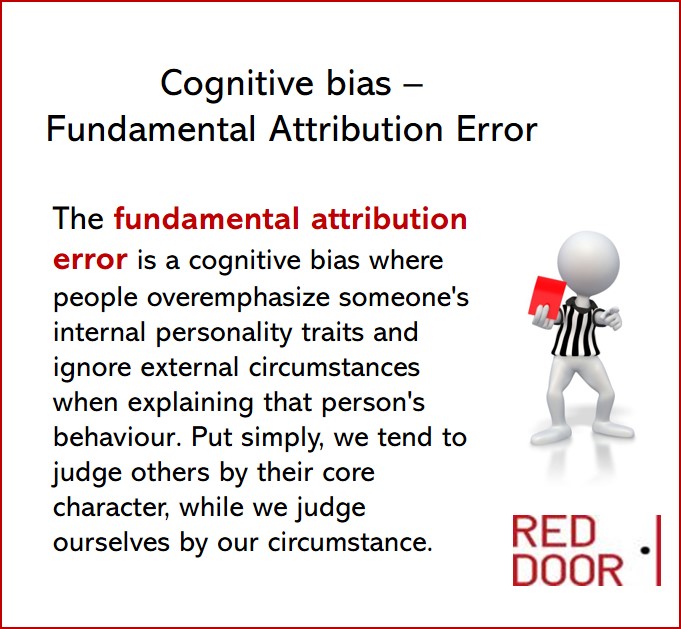
This is the fundamental attribution error: individuals often perceive their own behaviours as a result of external circumstances while blaming others for their actions. For example, someone might justify their frustration by citing a stressful day or bad weather, attributing their behaviour to these external factors. Meanwhile, they may label their partner’s failure to perform a task—like taking out the rubbish—as laziness or negligence. This cognitive distortion creates a skewed perspective in interpersonal relationships, where one partner views themselves as a victim of circumstance while perceiving the other as deliberately at fault.
Thus, when you say you’re not happy and attribute this to your partner’s actions, I hope it is enlightening for you when we discuss what you can change in your own situation.
Liz
These are great points to name. We often see couples arrive in the counselling room cataloguing what the other person is doing wrong. And one of the questions I like to ask is “What are you willing to do for the relationship that will help the both of you today?” Because it is never just about what the other person is doing, it takes two people to create the patterns we find ourselves in.
I think nowadays maybe because of modern media, sometimes we can place an almost impossible expectation on our partners – we want them to be our best friend, our passionate lover, our intellectual equal, our co-parent, our therapist, and our travel buddy, all at once. And when they inevitably fall short of that standard, we begin to wonder if we’ve chosen the wrong person.
So when it comes to considering whether you should leave because you’re not happy, I think a more apt question you can ask yourself is this: Am I unhappy in this relationship or am I unhappy in my life? Those are two different problems with two very different solutions. If you’re struggling with depression, anxiety, or unresolved trauma, leaving the relationship may not bring the relief you are seeking, you will simply carry that unhappiness into your next relationship. Ask yourself these honest questions before you act. Maybe the relationship needs to end, but also make sure you are solving the right problem.
Angela
I think another point to consider is the idea that our romantic relationships should fulfill multiple roles—like being our best friend, our sexual partner, and so on. This expectation is actually a very modern concept of relationships. Historically, relationships have evolved significantly, particularly in the wake of women’s liberation, which is a positive development. However, with this evolution has come an expectation for relationships to provide a level of fulfilment that wasn’t necessarily anticipated in the past.
For instance, marriage was often viewed as a type of contract, where each partner had specific roles to play, and the focus was more on functionality than on personal happiness. People didn’t expect to find happiness per se within these arrangements. The modern belief that romance must encompass everything is quite recent, and many individuals struggle because they hold onto this notion.
While I don’t think you shouldn’t desire a fulfilling relationship, it’s essential to recognise this perspective as a modern construct. It may require some realisation that relationships haven’t always functioned this way. This is a vision we aspire to create, but achieving it may require considerable effort.
Question 3: What’s the difference between quitting and protecting yourself?
Liz
I don’t like the word quitting “quitting” because it carries a feeling of shame around it. It implies failure, weakness, giving up while the mainstream romantic narratives centre around those who stayed and fought, the ones that endured. And while there is something beautiful about that commitment, the same narrative can be seen as a cage for people who should have left already. Speaking to people who ended up remaining, the answer has been not wanting to be seen as “the person that gave up”.
At the other end of that spectrum are people who leave at the very first sign of real intimacy or conflict, because closeness itself feels threatening. For those with avoidant attachment tendencies, real vulnerability can read as danger, and exit can be seen as protection, which in a way is self-sabotage. It’s that person that leaves just as the relationship is getting real.
How can you know what you’re doing? A question you can ask yourself is “Am I leaving because I am afraid of what this relationship is asking of me or am I leaving because this relationship is asking me to betray who I am”. One is out of fear, and one is out of wisdom.
If you have minimized who you are in order to keep the peace, no longer recognizing yourself, then that is beyond a rough patch. Emotional and psychological abuse are harder to identify than physical abuse, but they are no less damaging to the self.
If someone is undermining your sense of reality, isolating you from those that care for you, and using shame or fear to control your behaviour, then leaving is not quitting, but rather an act of survival.
I also want to mention something more subtle: for the person who is in a relationship that is not abusive, but that has over time asked them to betray their deepest needs, their voice or their sense of themselves. That is also worth protecting yourself from. That decision is worth being made without guilt. Sometimes love can be real, but it is not enough to build a life on.
Angela
I also have an issue with the word “quitting.” It implies something negative, but in reality, we’re simply trying to see what fits in a relationship. Especially as we evolve our concepts of relationships, why not adopt a “try before you buy” mentality? I dislike the term “quitting” because it suggests that you must be wholly committed. Of course, there are legal contracts like marriage that create different dynamics, but in non-marriage situations, it’s perfectly acceptable for things to not suit you anymore. It’s okay to leave a relationship if it doesn’t work for you.
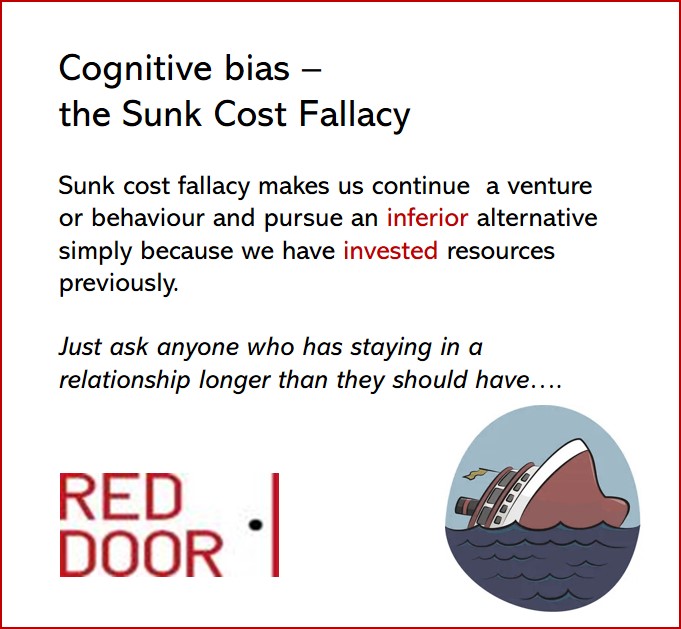
Another cognitive distortion relevant to relationships is the sunk cost fallacy. People tend to stay in relationships simply because they have invested time in them, hoping that things will somehow improve. We see this behaviour reflected in the investment world, where individuals hesitate to sell a plummeting stock because they don’t want to acknowledge their losses. However, the loss is already there. Similarly, remaining in a relationship for an unduly long time isn’t beneficial if it doesn’t genuinely support your personal growth.
When I say “benefit,” I refer to personal development rather than financial gain. Protecting yourself in a relationship can be challenging, as part of it involves vulnerability. The key question is whether someone else is overstepping a boundary. This concern naturally transitions us to the next topic: the relevance of outside opinions. If you’re apprehensive about protecting yourself, considering external perspectives can be helpful. However, you must be mindful of the sources of those opinions.
Question 4 : Should you listen to outside opinions about breaking up?
Angela
When it comes to outside opinions, I believe it’s important to consider three factors: who, how many, and what.
Who refers to the person you’re asking. For instance, when couples come into counselling, one partner may feel manipulated by the other. As a counsellor, part of my role is to discern how much of that manipulation is genuine versus how much is perceived or internally constructed based on the narratives they tell themselves. Our primary goal is to protect individuals in these relationships and ensure that the relationship is healthy, fostering a safe, warm, and rewarding environment for both partners.
Next, there’s how many people you ask. If ten people tell you your partner is “bad news,” it’s worth paying attention—this is a considerable amount of feedback. However, it’s crucial to consider what they are saying and the context of their concerns. For example, if ten people inform you that your boyfriend cheated on his last girlfriend, it doesn’t automatically mean he will cheat on you. While past behaviour can sometimes be indicative of future actions, it does not guarantee them.
This brings us to the what of the opinions shared. We need to be mindful of the specifics of what is being said. Research on infidelity suggests that when friends uncover information about infidelity, it becomes a prickly subject. Generally, married individuals or those in long-term relationships express a desire for friends to inform them of such issues. However, in practice, this can be a precarious situation. If a friend is willing to risk their relationship with you to disclose something that could potentially jeopardise the friendship, their perspective may be worth considering.
Liz
That is a tricky situation to find yourself in – getting information from someone you trust that has the potential to fundamentally alter your relationship. And what experience tells us is even though most people say they would want to be told, the reality of that disclosure often unfolds very differently from what they expected. It is not uncommon for the person receiving the information to end up choosing their partner, which is precisely why so many people hesitate to speak up in the first place.
Angela
You can certainly risk a friendship by disclosing information about infidelity, and I think people inherently understand that, which is why many are hesitant to speak up. However, it’s important to remember that if someone is unfaithful, it doesn’t automatically mean that the relationship has to end. There are ways to work through infidelity.
Infidelity can be a sign or symptom of various issues, including the overall health of the relationship, potential boredom, or unmet expectations. Often, it reflects unsaid conversations that need to be addressed. Therefore, infidelity in itself is not necessarily the end of a relationship; it’s more like a bump in the road rather than the end of the journey.
Liz
And this is where objectivity becomes hard. When we are emotionally close to someone, that closeness becomes our greatest source of intimacy and our source of blind spots. That isn’t a flaw but a nature of love. It is precisely why a perspective from someone we trust can offer something we cannot access from within it.
That said, what matters equally is the lens through which they see the world. If your mom’s primary concern is that you marry and settle down, her vision will be filtered through that anxiety. If a close friend is experiencing her own painful breakup, her perspective on your relationship will carry the shadow of her experience. People are not always objective, even when they love you deeply, and even when they mean well. But if you have multiple people in your life telling you the same thing, maybe that is something worth exploring.
Angela
Friends may not necessarily come with overt, malevolent agendas; however, that doesn’t mean their perspectives can’t be influenced by their own hopes for who you might be or the prevailing themes in their lives. It’s important to remember that people are not always objective.
Liz
Exactly. And ultimately, every person offering their opinion lives outside your relationship. They can see certain things with a clarity that you cannot, but they cannot feel what you feel from inside it. So the way I encourage people to approach outside opinions is this: treat them as data. Data worth taking seriously and analysing carefully. But you are the analyst.
Angela
I love that data to analyze. So yes, if you can take an clear unemotional approach to it, that would be really helpful.
Question 5 Can you love someone and still know you need to leave? What do you think?
Liz
The short answer is yes. We have been socialised – through movies, through books, and the stories we absorbed as children to believe that love conquers all! That if it is genuine enough, it will solve everything in its path. That is a beautiful story, but not the objective truth.
While love is important, it is one of the various ingredients needed. Love can exist with incompatibility, poor timing, different life visions, different zip codes, and with conflicting values. You can love someone with completely and still know, that the life they are building is not the life you want. You may love your partner and still recognise that their absolute certainty about not wanting children is something you cannot absorb into your future. Not because they aren’t loving enough, but because family can be so important to you that the absence would become a lifelong grief that that their love cannot overcome.
Leaving someone you love is a grief process. It does not feel clean or 100% the right thing to do, even when it is the right decision. You will miss them. You may question yourself. You may feel the loss of who you were together long after the relationship has ended. All of that is entirely normal. Choosing to leave someone you love does not make your love less real. It does not make you someone who failed or gave up. It makes you someone who was honest enough to acknowledge what you need, and courageous enough to act on it. In some ways, it is one of the most loving acts towards yourself, and for the person you are releasing to find something that fits them better.
Angela
One situation I occasionally observe in couples counselling is the challenge that arises when one partner has an addiction or substance abuse issue. The love is often still present, but one person is grappling with a powerful and destructive force. Couples have to confront the difficult question: can I remain in this relationship when this pattern exists?
For example, if one partner struggles with chronic alcohol misuse or drug addiction, it doesn’t mean that all instances of alcohol consumption or drug use will end in devastation. However, these situations often come with significant challenges. Partners frequently grapple with the reality that, while they love their significant other, the addiction introduces behaviours that complicate their relationship.
In such cases, one partner may think, “If she just loved me,” or “If he just loved me,” suggesting that their partner wouldn’t be constantly judging or policing their substance use. While these feelings are understandable, it’s crucial to recognise that the issue stems from one person’s struggle, yet it permeates the relationship, becoming a significant entity in its own right. The partner affected by addiction is often caught in the grip of a powerful force, complicating the dynamics of love.
In these circumstances, one partner may need to consider leaving as a means of self-protection. Although you may love your partner deeply, you must acknowledge that they could be on a destructive path. The belief that staying is synonymous with being a good partner can sometimes lead to detrimental outcomes. It’s essential to understand that, in certain situations, preserving your own well-being may require difficult decisions.
Liz
The dimension of mental health carries its weight here. When one partner is living with depression or addiction, there can be a gravitational pull toward one person’s suffering that, over time, asks the other person to disappear a little bit each day. The empathy exhaustion is real. The loneliness is real. And the guilt of naming it, of saying aloud that this is taking a toll on you, can feel hard when the person you love is suffering.
To the person in the supporting role: your needs do not disappear because someone you love is struggling. You are allowed to reach a limit. You are allowed to seek your own support, independent of what is happening in the relationship. You do not have to carry this alone. And seeking help for yourself is not a betrayal of your partner. It is how you sustain the capacity to love them at all.
Angela
I also think this ties back to the initial question about distinguishing between a rough patch and a fundamental incompatibility. If someone is actively working on themselves, whether they are addressing addiction or managing depression, you can see a pathway forward, and both partners can be part of that journey.
In my experience with couples counselling, particularly with addiction, I sometimes find that one partner wants to continue their problematic behaviour despite its negative impact on the relationship. They may be unwilling to acknowledge or address these issues. However, once they begin to confront their challenges, there is an opportunity for hope and healing for them, and the relationship
With mental health conditions, there can be a redemptive aspect when both partners are committed to growth.
It can be exhausting to support a partner with mental health struggles, but if they are genuinely doing their best, you might decide to stay with them. However, for anyone in this situation I would encourage the supporting party to seek counselling for themselves. It’s incredibly tough to be around someone who is facing mental health issues, and you shouldn’t have to navigate this alone. Please seek support, as it can make a significant difference.
Question 6: What part does personal growth play in relationships
Angela
I think one of the significant insights we can gain from relationships is their ability to reflect our personal growth. I really appreciated what you mentioned earlier about relationships serving as data points. If you find yourself repeatedly engaging in the same types of relationships, that serves as a crucial indicator—it’s a pathway to your next stage of personal development.
While we do have an obligation to our own growth, sometimes our relationships are the very data points that highlight areas for change. For instance, it’s quite common for young people to become involved with partners who overpromise and underdeliver. To be fair, this isn’t just limited to one gender; it can happen with anyone. Part of growing up is learning to distinguish between words and actions—realising that you should pay attention to what a person does rather than what they say.
This is a vital personal growth story. When you begin to see beyond the initial allure or “love bombing,” you start to notice the subtleties of how and when a person truly shows up for you. For instance, if your first experience with someone who overpromised and underdelivered lasted six months, and your next relationship was only three months, I see that as progress.
Moreover, if you choose not to pursue another relationship with someone who exhibits the same overpromising behaviour, that signifies even greater personal development.
Liz
For me, I can often read how much a person loves themselves based on the quality of the partner they choose. Not around the partner’s appearance or their status – I mean the quality. Around how that person treats them.
Personal growth in relationships can show up in specific and uncomfortable ways – for example, holding a boundary without immediately retreating because you are afraid of the other person’s relapse. It is arriving in the relationship already anchored in who you are, rather than losing yourself in the hope of becoming whoever your partner needs you to be. It is the ability to recognise the moment when anxious attachment has taken the wheel, when you are minimising your needs, quieting your voice, holding the relationship together – not out of love, but out of fear. Fear that if you stop, the relationship will not survive. Fear that you are not enough to be chosen for exactly who you are.
That is not love in its fullest expression. That is a very old fear, wearing love’s face.
At its core, so many of the patterns that repeat themselves in our romantic lives circle back to a fundamental question of self-worth. When we enter a relationship hoping it will confirm our value rather than arriving already knowing it, we become psychologically dependent on the survival of that relationship in a way that can lead us to carry weight that was never ours to carry alone.
The patterns you are seeing in your relationships are not evidence of failure. They are not proof that you are broken or destined to repeat this again. They are information. They are pointing to the place inside you that most needs tending. The work is not about becoming someone who doesn’t gets hurt, or making this mistake again. The work is about learning to analyse your own patterns with curiosity instead of shame, and beginning to make different choices. The capacity for change is there if you are willing to work on it.
Angela
That is a really good question to ask yourself.
If you would like to book a session with one of our relationship experts contact us via Whatsapp at 852-93785428.
Some people experience the same—or strikingly similar—relationship patterns with the same painful outcome, again and again. The books below can help illuminate your thinking patterns, needs, and preferences—so that if you want love again, the experience can be different.
1. Attached — Amir Levine and Rachel Heller
Attachment theory is a popular and useful framework for understanding relationship behaviors.
Recognizing your attachment style can help you understand—and even predict—how you may show up romantically. Attachment styles can influence behaviors such as feeling anxious about commitment, experiencing jealousy, avoiding closeness, or using silence as a form of emotional pressure or punishment.
This book is a strong introduction to the topic, and I find it both interesting and practical.
2. The 5 Love Languages — Gary Chapman
This concept has become part of mainstream culture, but it still offers a useful lens: to understand the love you want—and the love you give.
If you’ve been giving gifts that don’t seem appreciated, or if you’ve heard complaints like “you just don’t make time for us,” this book may help you make sense of why.
Chapman’s framework suggests that people tend to express and receive love in five main “languages”: physical touch, verbal affirmations, gift-giving, acts of service, and quality time.
Some authors have expanded the framework, but I mainly recommend the original version because Chapman’s explanation is clear and the associated tools can help you identify your patterns.
Chapman also released The 5 Apology Languages, which can be helpful for understanding your own and others’ repair styles during conflict.
A lot of communication that is intended to be kind can still miss the mark in relationships. Because we often show love in our love language, we may end up talking past our partner rather than communicating in the way they experience love.
It can be extremely helpful to discuss love languages together—sharing what small gestures make you feel special and what kinds of attention help you feel valued.
Love languages aren’t only useful in romance; they can also apply in friendships and families. For example, I’ve assessed my children: one responds strongly to verbal affirmations, while the other is more responsive to receiving gifts.
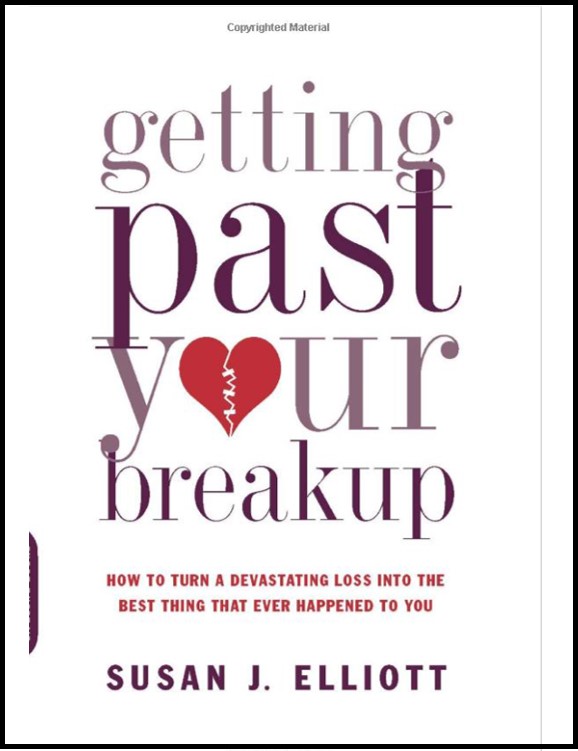
3. Getting Past Your Breakup — Susan Elliot
Although this book is primarily aimed at people navigating a breakup after the breakdown of a marriage, it can still help anyone who’s been shaken or afraid by relationship loss.
I appreciate how it frames loss as something that can be transformed into learning. The book explores what to do with painful feelings, how to detach from an old attachment, self-compassion, and reflective exercises—along with practical “inventory” checks to help you regain your momentum.
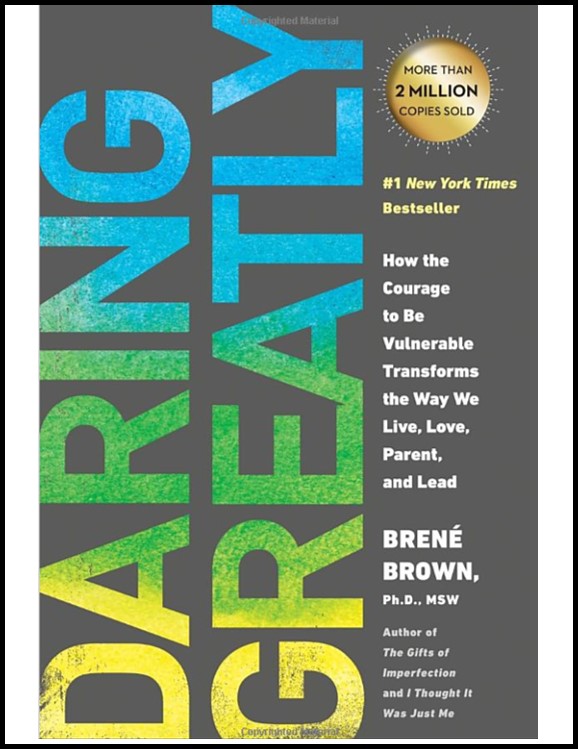
4. Daring Greatly — Brené Brown
Brené Brown is another prolific self-help author, and Daring Greatly stands out because it’s especially focused on how we relate in love, work, and life.
Brown suggests that we often hold ourselves back due to fear of shame. When we move past that fear, we’re more able to be authentic, vulnerable, and brave—particularly in relationships.
In practice, “daring greatly” means having the courage to say what you want, ask for what you need, and invite the reciprocity you want and deserve.
5. All About Love — Bell Hooks
This is a philosophical and heavier read, and it’s not the kind of book you finish in one sitting.
Hooks explores what it means to expect love and what happens when love is denied in both familial and romantic relationships. She also examines how love is expressed—sometimes through duty, affection, and obligation—and what it costs us when the love we need doesn’t arrive.
The book emphasizes learning how to give love and allow it to come in.
Closing thought
The most important thing in life is to learn how to give love—and to let it come in. I hope you’ll take some time to invest in understanding what has shaped your concepts of love, how you practice love, and how you express it in relationships.
Maybe once upon a time, you hurt someone you once cared about. Perhaps you were unfaithful in a relationship. Perhaps you struggled with substance misuse. Maybe you were careless with money, and it affected you or your family’s future. Perhaps you broke a promise to a friend. Or maybe you acted in a way that now leaves you feeling ashamed.
If any of this feels familiar, here’s the truth: change is possible.
I like to believe that we are all capable of writing a different story, one that becomes our own redemption journey.
A redemption story is the process of regaining, recreating, or restoring something that was lost, damaged, or broken. Redemption is not just about feeling sorry; it is about moving towards wholeness.
At its best, a redemption story can become a pathway to:
personal growth
psychological healing
repairing relationships
finding a way forward after failure
breaking free from shame and regret
Sometimes our original intentions in a situation were good, but we still caused harm. Redemption gives a person the chance to stop being defined only by the worst moment they experienced or created, while also taking responsibility for what happened.
You are not your worst moment, your worst action, or your worst failure. You can do better.
And importantly, it is never too late, or too early, to begin a redemption plan. Whether you are working on mental health, healing from trauma, overcoming addiction, or rebuilding your reputation after a setback, a redemption plan can help you regain control and reshape your future.
How Does Change Happen in a Redemption Story?
Redemption is not usually one big moment. More often, it is a series of small, repeated, intentional choices. Here is a clear framework you can use to guide your own redemption story.
1) Describe What Needs to Be Redeemed
Before you can start a new future, you need to understand what you are trying to restore from your past actions.
Ask yourself:
What was lost or damaged, inside me, in my behaviour, or in a relationship?
What patterns keep pulling me back into the same harm?
What kind of person do I want to become?
You can change your direction, but you cannot change what you do not clearly understand.
Redemption starts with honesty.
2) Consider What Sustains the Behaviour
Next, slow down and get specific.
A redemption story requires insight into what keeps the cycle going. This includes:
your triggers
the emotions underneath your choices
the habits or environments that reinforce old behaviour
This is also where hope matters. Believing you can change can strengthen your resilience on the hardest days.
If possible, consider working with a counsellor at this stage. Professional support can help you untangle patterns more deeply and set realistic goals within your redemption plan, because this is what we specialise in.
You are not broken. You are learning how to heal and improve.
3) Plan for Change
Now it is time to act.
A redemption plan may feel difficult because growth often requires discomfort, but it does not have to feel impossible. Rewrite your story by building new habits and new responses.
If a relationship has been broken, it may not be the exact same relationship that helps you heal.
You cannot go back in time, but you can build new bonds of trust and care with new people.
For example, if you drank more than you intended last weekend because it was “the usual thing to do”, ask yourself whether that pattern actually gave you what you wanted. Did it leave you feeling proud, or did it end in regret? If so, what can you plan for next weekend to avoid repeating the same cycle?
This is where a counsellor can help. A good counsellor can help you:
set realistic goals
consider the cost of your choices
build coping skills
create accountability
practise repair steps, including making amends where appropriate
The pathway to redemption is challenging, but it is not impossible. You can change what you do next.
Your future is not trapped by your past.
4) Track Your Progress
Redemption often becomes real when you can measure it.
Some people count days or use a streak to help them stay consistent, while also remembering that recovery is not always linear. You will have good days and not-so-good days. Progress matters more than perfection.
It can also help to tell others that you are trying to change. Public accountability can increase follow-through. If tracking helps, some people use apps like I Am Sober to monitor progress, stay motivated, and reinforce consistency.
Momentum grows when you keep showing up for yourself.
5) Monitor Your Self-Talk
If your self-talk is harsh, such as “I always mess up” or “I’m hopeless,” you may eventually stop trying. But if your inner voice becomes more supportive, such as “I’m learning”, “I can recover”, or “I can take the next right step”, change becomes more sustainable.
Practice compassionate self-talk, especially after a difficult day. Your brain learns through repetition, and so does your identity. Understanding your cognitive distortions can also help you quiet your inner critic (see links below)
Your inner voice affects your outcomes.
6) Remember: If You Fall, Get Back Up
A redemption story is not proof that you never struggle. It is proof that you return to your commitment.
If you slip:
do not spiral into shame
do not label yourself as finished
do not abandon the process
Instead, treat it as feedback:
What happened?
What trigger showed up?
What will I do differently next time?
Remember: it is not the setback; it is the comeback.
Redemption is a practice, not a performance.
Final Thought
A redemption story is your way of saying, “I will not let my worst choices become my final destination.”
Whether you are rebuilding after addiction, emotional damage, relational harm, or personal failure, redemption offers a real pathway towards healing and wholeness.
______
If you are ready to write your redemption plan consider counselling. Contact Angela at Angelaw@reddoor.hk to discuss your options.
My relationship with autism is both personal and professional. I earned my first master’s degree in developmental and educational psychology in the 1990s, and since then I’ve worked across psychology in educational, organisational, and practice settings. I first conducted research with autistic people in 1991 — little did I know then how much of my life would be dedicated to understanding autism.
In the early 2000s my professional interest became personal: our first child, Alex, was diagnosed with autism at 18 months. Even with my training and research experience, I felt like a novice — a parent desperate to help my child navigate a diagnosis that often felt intangible and unpredictable. I knew so much, and yet I felt I didn’t know enough.
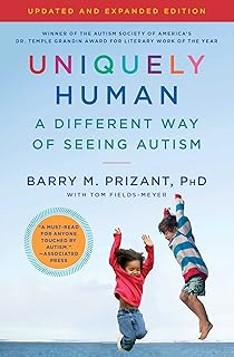
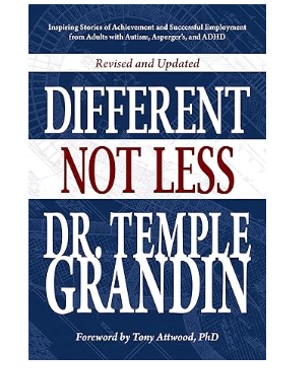
Today I run a psychological practice focused on building positive mental health for both neurotypical and neurodivergent individuals. After 30 years of learning and working in this field, I want to share what I consider the best books first books on autism that a person can read. If you are just starting your journey to becoming knowledgeable about autism, I considered these the recommended reads. If I’ve missed a favourite of yours, please drop me a line — my contact details are at the end of this post.
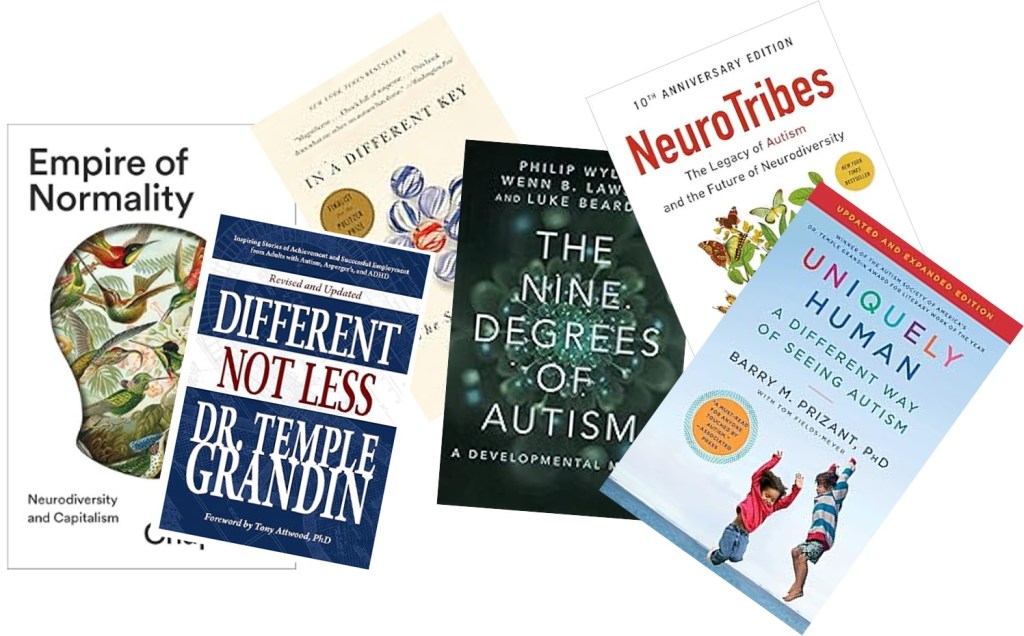
Understanding autism -your first 6 reads.
The Nine Degrees of Autism (2021) — edited by Philip Wylie; series editors Wenn Lawson & Luke Beardon
The Nine Degrees of Autism presents an updated fresh and positive, developmental framework that maps nine distinct stages experienced by autistic people — from pre‑identification and early challenges through diagnosis, shifts in self‑image, and ultimately toward self‑acceptance and wellbeing. Each chapter focuses on one stage, combining expert analysis, personal perspectives and practical insight. The model is also applied to other “hidden” neurological differences (for example, dyslexia, dyspraxia and ADHD).
I consider this essential reading because this book: • Offers a strengths‑based, developmental lens. • Practical stage‑based framework for tailoring supports. • Combines expertise and lived experience. • Supports mental health and self‑understanding. • Applicable across settings and beyond autism.
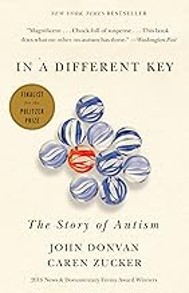
In a Different Key (2016) — John Donvan and Caren Zucker
In a Different Key is a well‑researched narrative history of autism that blends investigative reporting with personal stories. It traces how autism was discovered, diagnosed and treated over the past century and follows families, researchers and advocates to show how medical practice, public policy and social attitudes shaped the lives of autistic people.
I consider this essential reading because this book:
• Provides historical context to distinguish enduring findings from past misconceptions. • Humanises autism through vivid personal accounts, building empathy and understanding. • Tackles major controversies (diagnostic shifts, institutionalisation, treatment practices and the neurodiversity movement) with balanced, nuanced reporting. • Synthesises scientific, social and policy threads in clear, accessible prose for non‑specialists. • Equips readers — families, educators, clinicians and policymakers — with the context and critical perspective needed to respond to autism more thoughtfully and respectfully.
NeuroTribes (2015) — Steve Silberman
NeuroTribes is a wide‑ranging history and cultural study of autism. Silberman traces the condition from early clinical observation through mid‑20th‑century institutional practices, the rise of diagnostic categories, and up to contemporary research and the neurodiversity movement. The book highlights overlooked figures, suppressed research and the social forces that shaped both scientific understanding and public attitudes toward autistic people.
I consider this essential reading because this book: • Deep historical context: uncovers the origins and evolution of autism knowledge. • Challenges myths and simplified narratives (for example, the “refrigerator mother” theory). • Introduces and popularises the neurodiversity framework. • Humanises autistic lives through profiles and personal stories. • Explores policy and care implications with accessible, well‑researched prose.
Uniquely Human (2015) — Barry M. Prizant
Uniquely Human argues that autism should be understood primarily as differences in behaviour and communication rather than a catalogue of deficits to be “fixed.” Drawing on decades of clinical experience and case examples, Prizant offers a compassionate, practical framework for supporting autistic people by identifying unmet needs behind behaviours and building on strengths and relationships.
I consider this essential reading because this book: • Shifts perspective from deficit to understanding. • Provides practical, humane strategies for caregivers, educators and clinicians. • Emphasises relationships, trust and dignity. • Accessible to non‑specialists and complements historical accounts with day‑to‑day approaches.
Different Not Less (2020) – Temple Grandin
As a psychologist, I consider Different, Not Less by Temple Grandin essential reading for anyone seeking to understand neurodiversity beyond diagnostic labels. Grandin’s collection of personal narratives from adults on the autism spectrum offers an authentic, strengths-based perspective often missing in clinical literature. Her emphasis on ability rather than deficit invites both clinicians and educators to reframe how they support autistic individuals, focusing on practical solutions and self-advocacy.
I consider this essential reading because this book:
The book bridges the gap between science and lived experience, reminding professionals that empathy and flexibility are pivotal in fostering growth.
Different, Not Less is not just inspirational—it’s an invaluable tool for developing a more inclusive and compassionate psychological practice
Empire of Normality (2023) — Robert Chapman
Empire of Normality examines how the idea of the “normal” mind emerged alongside capitalist social structures and how that notion has shaped attitudes toward neurodivergent people. Combining history, political theory and disability studies, Chapman links productivity‑driven capitalism to practices that medicalise, marginalise and discipline bodies and minds, and argues for systemic change toward neurodivergent liberation
Why I consider this an essential read. • Frames neurodiversity within political and historical contexts. • Challenges mainstream narratives about normality and productivity. • Connects personal experience to structural, collective change. • Valuable for activists, policymakers, educators and clinicians seeking justice‑focused approaches.
I hope you enjoyed my list of essential readings. If you have books you’d like to share for me to include in future reviews drop me a note at my email: AngelaW@reddoor.hk
No single book can help you completely recover from heartbreak. Each of these books may contribute a step in your learning journey: surviving divorce and becoming a new you, especially when used in collaboration with therapy.
Here is some advice from the trenches – Six of the best books are recommended, from the participants of our surviving divorce therapeutic support group, and myself, as their counsellor.
1.He’s history, you’re not. Erica Manfred
An honest guide to getting through the breakdown of a marriage without it costing you an arm and leg – financially and emotionally. This great book is written from first-hand experience. Recommended for women over 40 years old. hand experience good for women over 40 –especially those left by their partner.
2.Crazy time. Abigail Trafford
The break-up of a marriage heralds a year of break down inducing confusion. This book uses real life cases to describe the problems inherent in the marriage and challenges you’ll need to overcome. Recommended for anyone going through divorce.
3.You can heal your heart. Louise Hay and David Kessler.
Grief and loss experts blend affirmations and mindful observations to enable the reader to explore their soul and situation in order to grow and find solace. Recommended if you feel like you’ve lost hope
4.Leave cheater gain a life. Tracy Schorn
Tracy Schorn, aka the chump lady, provides a wealth of advice amidst heavy doses of humour, to help avoid rookie mistakes, disarm your fears and bounce back. Recommended if you have just recently been dumped.
5.Runaway husbands. Vicki Stark
This book explores wife abandonment syndrome, sharing the findings of surveys of 400 women worldwide. If you’ve been abandoned, find the way to turn your loss into an opportunity for empowerment with the information and strategies included in this guide. Recommended for those who have lost long term relationships.
6.The good divorce. Constance Ahrons.
Whilst any divorce is unlikely to be described as “good”, there are some smart decisions you can make, some myths you should abandon, and activities to plan to help your family heal. This book uses the results of longitudinal research and the wealth of knowledge gained as a therapist to help guide the reader through the divorce process. Recommended for parents exploring divorce.
If you are going through a painful break-up, one piece of advice I can share comes from the words of Winston Churchill, “When you are going through hell, keep going”.Here is some advice from the trenches – Six of the best books are recommended, from the participants of our surviving divorce therapeutic support group, and myself, as their counsellor.
Angela Watkins is a psychologist and counsellor at RED DOOR Counselling in Hong Kong. Her current clinical work focuses on adults in the areas of, depression, the experience of divorce, anxiety, perfectionism, career change, loss of direction, burnout, relationship and family challenges, OCD, and parenting special needs children. If you’d like to contact Angela for a session please email angelaw@reddoor.hk
Angela also runs the Iron Fairies group for women going through divorce
In this blog series, Love Matters, Angela Watkins and Elizabeth Wu delve into the complexities of relationships and love. With a focus on helping individuals navigate their romantic lives, bringing in their expertise as therapists that have dealt with individuals experiencing romantic heartbreak as well as couples therapy.
This Episode: Healing heart break
In this months episode, we tackle the profound topic of heartbreak. Romantic breakups can lead to intense emotional distress, including symptoms akin to bereavement such as intrusive thoughts, insomnia, and heartbreak syndrome, which can even impact immune function.
Key Questions We Explore:
How long does the pain last?
Do I really need a romantic partner?
How can one overcome the belief that true love is unattainable?
What do you do when you feel trapped in recurring thoughts about the breakup?
What is the long term impact of heartache on trust?
How can you let go of emotional baggage?
How do we differentiate between healthy caution and protective walls that hinder recovery?
What is one common misconception about heartbreak recovery that you’d like to clarify?
What role does self-compassion play in healing, and how is it different from self-pity?
How can I stop comparing new partners to the one I lost?
When should someone consider therapy instead of leaning on friends for support?
Are there specific milestones that indicate healing?
Question 1 – how long does it hurt?
The hardest part of a breakup isn’t the separation itself but the feelings that follow. Keep three points in mind:
If the relationship mattered, it will hurt.
Trying to rush through grief is unhelpful and usually ineffective.
If you refuse to do the work of healing, the pain will persist.
Allow yourself time to grieve, and take small, intentional steps toward recovery.
It really does depend on the person’s attachment style, the depth of the bond, and the length of the relationship. From what I’ve seen, the acute phase (that initial, most intense period) can last anywhere from one to six months. But the waves, particularly when the connection was a deep one, can ripple on for well over a year. And that is not weakness. That is a reflection of how much the relationship mattered.
Here’s something I think is really important for people to know: heartbreak is not just emotional, it is physically real. Research shows that the brain activates the same regions during heartbreak as it does during physical pain. On top of that, when we lose a romantic partner, we experience genuine neurochemical withdrawal – from dopamine, oxytocin, serotonin – much like an addict going through withdrawal. So if you’re wondering why this hurts so much, it’s because it literally does. This pain is not in your imagination. It has been studied and it is real.
And that matters, because when we understand the biology of heartbreak, we can start to release the shame around it. The more we try to push the pain away, the louder it tends to get. And then the shame sets in, you begin to think “I’m so pathetic, why am I still thinking about them?”, and that shame deepens the wound. The first act of healing is often simply this: permission. Permission to hurt.
You can definitely make your pain worse when you experience shame or get stuck blaming yourself or others.
Question 2: Do you really need a romantic partner?
Many people still want romantic partners, but it’s important to ask whether you are truly ready for one. After a breakup — even before a casual new relationship — ask yourself: “Am I good at being single?” Entering a relationship should be a choice, not a default because you struggle to be alone. If you find you’re not comfortable on your own, you may be seeking a relationship to avoid developing the skills needed for independence. If that resonates, use the post-breakup period to reflect and grow.
We have a RED DOOR blog on becoming “good at being single” which you may find helpful; I’ll link it at the end of this post for anyone who wants to explore these skills further.
I personally believe in the beauty of romantic partnerships, but I also think it’s crucial to separate cultural narrative from genuine desire. There is growing research suggesting that partnership is not a prerequisite for a fulfilling life. We see this in people who identify as asexual, and in people who build rich, meaningful lives through community and deep friendships. Their choice is entirely valid, and it deserves to be honoured rather than judged. We have also seen from research that it is better to be single than to be in a bad relationship. From personal experience, I see that the huge majority are still seeking connection, because humans are predominantly social creatures at the end of the day. But the question worth sitting with is whether that longing comes from genuine want or from a fear of being alone.
And I think that distinction is everything. When you “need” a relationship, you tend to abandon yourself in the pursuit of one. You become willing to bend yourself to keep someone, because you “need” them to feel complete. Versus when you “want” a relationship, you come to it from wholeness – you’re enhancing your life, not filling a hole in it. That’s the difference I try to help my clients find. Having the right skill sets to know how to be good at being single is an important skill to have to avoid quick attachments to unsuitable people.
Many people still follow the “expectation escalator” in relationships — a presumed linear progression from meeting, to exclusivity, to moving in, engagement, marriage and children. Remember, it’s only a model, not an obligation. If the escalator stalls, it is not a failure. Couples can feel shame and grief when their relationship deviates from that scripted path — whether through breakup, infertility or other unexpected challenges — but divergence from the expectation does not negate the value of the relationship or the legitimacy of your grief.
Yes, I think it’s so important to note that the shame around being single isn’t always self-generated. Often it comes from the outside. We still live in a culture that deeply romanticises the couple. The film ends with the kiss. The highlight reel celebrates the ring and the happily ever afters. And we’ve internalised that narrative so thoroughly that it can be genuinely hard to distinguish what we truly want from what we’ve been told we should want.
Also considering it from certain cultural contexts – being half Chinese myself for example, some parts of my family believe women who remain unmarried past a certain age are labelled sheng nu 剩女, which roughly translates to “leftover women”. The stigma is real and it can be crushing. From the Korean side as well, when you are dating they ask you when you are planning to get married, and once you are married they ask you when you plan to have kids. The expectational elevator is driven into you from a young age.
Even in more Western settings, you may have well intentioned people trying to set you up with their single friends, but it can still feel as though singlehood is a problem to be solved rather than a life to be lived.
And that external pressure bleeds into how and why we seek relationships. We start looking for partners not from a place of readiness, but to escape the social noise, to do what everyone else “should” be doing at this age.
What we see in the movies the myth of the happy ever after. But actually, when the wedding bells toll, that is where the work really begins.
It’s how you get through fights, and stressors, and infidelity, and disappointment. How you deal with those challenges together is how you build a romantic life.
Question 3: What is the long term impact of heartache on trust?
When trust has been broken, it can become hard, really hard, to be willing to open yourself up again. And that guardedness makes complete sense. It is a response to the real pain you have experienced. But here is the paradox I sit with in the counselling room: if you never give trust, how can it ever be earned?
There is a difference between healthy self-protection and over-protection – the kind that closes you off so completely that genuine connection becomes difficult. You shouldn’t just extend blind trust to anyone. But trust, at some level, requires a leap of faith. It requires the willingness to be seen, even knowing that being seen carries risk.
The goal isn’t to rebuild trust overnight. It’s to take small, intentional steps toward it – with the right person, at your own pace, and ideally from a place of self-security rather than fear. Trust is rebuilt step by step, and it starts from within.
When trust is broken it can sometimes be rebuilt. In cases of infidelity I ask couples what would help the injured partner feel safe again. A common request is temporary access to a partner’s phone so they can see any third-party contact has ended. In sessions I let that conversation unfold rather than interrupt it; when the unfaithful partner agrees to full transparency you can often feel the tension ease immediately. The request functions as a practical trust-building exercise—trust cannot simply be demanded back to its original level overnight, but small, concrete steps can help restore it.
If you’ve been cheated on and can’t resolve it, you may feel humiliated and worry that future partners will have to prove they’re different. Consider whether it’s fair to expect a new partner to pay for the actions of someone else. Recovery involves working through those fears so you can enter new relationships from a place of healing rather than unresolved suspicion.
Yes absolutely, and just to add another layer for consideration: trust issues in a new relationship don’t have to be framed as a “me” problem. They can be a “we” conversation. You can bring your vulnerability to a new partner and say, “I have some trust wounds from my past, and I’m working on them. When I go quiet or I need reassurance, it isn’t about anything you’ve done, it’s something I’m carrying.” And if that person receives that with care and openness, you’ve already begun building something genuinely real.
That kind of transparency doesn’t just build trust, it builds communication. And the truth is, none of us leave our baggage behind entirely. But we can learn to carry it differently so that it doesn’t become our partner’s burden to manage.
Question 4: How do you leave baggage behind?
In my experience, there are two ways people respond to heartbreak: they either contract or they expand. The ones who contract, they build walls. They become more guarded, more isolated. They protect themselves by making their world smaller. And while that makes complete sense given the pain they’ve been through, it also closes the door to new connection, new growth, and new joy.
The ones who expand use the heartbreak as a catalyst. They grieve the breakup then eventually ask: “Who am I now? What do I want? What has this taught me?” That expansion doesn’t happen overnight, and it doesn’t mean bypassing or rushing the grief. But it does mean choosing to let the experience open you rather than close you.
After a breakup it’s easy to make your world smaller — to ruminate about what happened and why. Try not to romanticise or rewrite the relationship; that idealised version can become heavy emotional baggage.
Reflection is healthy and useful. Ask yourself: who am I now? What could my life look like without that person? Which people are right for me to spend time with, and what healthy practices might support me at this stage?
Use this time to learn about your attachment style and how it showed up in the relationship’s beginning, maintenance and ending. If you have an anxious attachment, for example, consider how those patterns influenced your choices so you can decide whether you want to repeat them.
You may feel wary about re-entering the dating scene — even petrified that the same thing will happen again. It can help to acknowledge the fear and move forward anyway, at your own pace. Remember: you don’t need to rush into a new romance; this time, take the time to choose more intentionally.
I am reminded of real life example that has stayed with me. Someone I know had come out of a long term relationship where her partner has been unfaithful. She’d developed this almost involuntary pattern – whenever her new partner picked up their phone or received notifications; she’d feel an immediate wave of anxiety and find herself trying to look at their screen. It took a while to understand why it was happening. It was wired behaviour trained into her from months of betrayal from her ex.
What shifted things for her was vulnerability. After going through therapy and dating this new person, she said to him honestly “I’m so sorry, I don’t mean to keep looking at your phone. You have done nothing to make me feel insecure. This comes from my past, not from you.”
And his response was extraordinary. He said: “Please look at my phone. I have nothing to hide from you. You are not in that relationship anymore, and you have nothing to apologize for.”
I have watched her grow over time, with her new partner’s security and her own continued work – from anxious attachment towards something genuine and secure. It didn’t happen because she forced herself to stop the behaviour. It happened because she was honest about her wound, and she found someone safe enough to heal in front of. That is what healthy attachment looks like in practice. And for anyone going through this right now, that is the hope. I am overjoyed to see how happy and secure she is in her new relationship and wish them only the best.
Question 5:How do we distinguish between healthy caution versus protective walls that isolate us in our recovery from heart break?
That brings up something I think about with clients: how do you know when your caution is genuinely protecting you versus when it’s preventing you from connection? How can you tell the difference between healthy interpretation and a hard wall that no one can get through?
If a client asked how to distinguish healthy caution from protective walls, I’d start with a simple question: “Are you having fun?” If you’re overthinking every step of a relationship, it’s hard to enjoy it. We date to make connections and share moments, and that becomes difficult when you’re constantly observing and analysing.
Rather than hunting for love, look for friendship first. Ask yourself: do I like this person? Do I find them funny? Would I want them as a friend? Friendship is the foundation of most durable relationships. Don’t rush into romance or put excessive pressure on yourself — let your guard down gradually, enjoy the other person’s company, and resist the urge to chase a label too quickly.
That’s such a great question – “Are you having fun?”. It’s a deceptively simple but powerful question. If there’s ease, laughter, and real curiosity in this connection, trust that. You don’t need to rush it, label it, or analyse it to death. Joy is data too!
Don’t rush to label a relationship. You wouldn’t build a friendship by over-analysing it or demanding a label from the start — you wouldn’t ask an acquaintance, “Are we friends yet?” Instead, reflect on your experience: “I enjoy being with this person because they’re clever or funny.” Relax and let the relationship evolve. Focus on the moments you share rather than definitions. If a friendship deepens into romance, that’s natural — so take things slowly and allow it to grow.
What do you think?
Friendship as a foundation is not just a nice idea, it’s backed by research. The Gottmans’ work consistently shows that deep friendship i.e. genuinely liking your partner, finding them interesting, enjoying their company, is one of the strongest predictors of a lasting, satisfying relationship. So start there. Start with: do I like this person? Is this easy? Am I curious about them?
Now is there a risk that you might like someone more than they like you? Absolutely. But that risk was always there. You were never going to be clever enough to outmaneuver it. And ironically, the more you try to guard yourself from catching feelings, the more likely you are to get them. So just let yourself feel it. Be present. Be curious. The right connection won’t need to be controlled into existence.
Question 6: Is there one misconception about heartbreak recovery that you wish people understood?
The biggest misconception I see is the belief that healing should be linear. People expect that once they’ve had a good week, the hard weeks are behind them. And then something happens – a song, a memory, a moment – and suddenly they’re crying again, and they feel like they’ve completely undone their progress.
But healing is not a straight line. It is a spiral. You may revisit the same pain multiple times – the same memory, the same question, the same ache – but each time you do, you are approaching it from a slightly different place. You are going deeper, not backwards. Even when it doesn’t feel like it, you are spiralling upwards.
Please hold on to that image, the image of you spirally upwards rather than a straight line. It gives you permission to have hard days without shaming them. It lets you trust the process.
A common misconception about heartbreak is that it follows a fixed timeline. Rushing through the process usually means you haven’t truly acknowledged the loss, while holding on can mean you’re romanticising the relationship and staying stuck. Recovery isn’t measured by a set timeframe; it’s cyclical and individual. Allow yourself to grieve properly, notice when old patterns resurface, and trust that healing unfolds in its own time.
Question 7: How can I stop comparing new partners to the one I lost?
Comparison is another form of rumination. Your mind is trying to solve the unsolvable question “How do I get back what I lost?”. It can sometimes try a shortcut like finding someone who looks, sounds, or feels enough like your ex that you might get to rewrite the ending. It’s your grief searching for a redo.
And you know memory can be such an unreliable narrator. We tend to remember the best moments in vivid color and the most painful ones in faded gray.
When we compare new people to an ex, we may not be comparing them to a real person at all. We sometimes end up mourning a fantasy rather than a reality. And that fantasy cannot be competed with, because it was never entirely real to begin with.
No one can ever win that comparison, because it isn’t fair and it isn’t really about them.
If you find yourself comparing new people to your ex, take some time to reflect. It’s hard — and unfair — to compare anyone to the “real” version of an ex because we usually hold either a romanticised or a villainised image of them. The truth is often a mix of both, which makes comparison impossible and unhelpful.
Comparison is a fast track to misery. Instead of asking whether someone measures up to your past, try asking what this new person offers that might be interesting or different. They may open a completely different pathway for you — and that can be a positive thing. Allow new relationships to be their own experience rather than repetitions of the old one.
Try to put down the measuring stick entirely. Ask instead: Who is this person? What do they bring that is entirely their own? The best thing a new person can offer you is difference, a new way of seeing, a new kind of connection, a new story you hadn’t yet imagined for yourself.
Question 8:What role does self-compassion play in healing from heartbreak, and how do you think it’s different from self-pity?
Self-pity wallows. It says, “Poor me. Why is this happening to me?” It keeps you fixed in place, looking inward with despair. Self-compassion, by contrast, is active. It says, “This hurts. What do I need right now?” And research has shown that self-compassion speeds up healing.
It’s common to see people in therapy room who understand their pain but are completely unable to feel kindness toward themselves. They can explain the breakup, name the dynamics, identify their patterns, then in the same breath they say, “I’m so pathetic. Why am I still thinking about them?” and then go into a negative spiral.
Self-compassion is saying to yourself: “This is one of the hardest things a human being can experience. My pain makes sense. This is not weakness, this is being human.” And then, gently, asking what you need to form an action plan.
My tool for practicing self-compassion is quite simple: ask yourself “What would I say to my best friend if they were going through this?” And then say that to yourself. We are almost always far kinder to the people we love than we are to ourselves, and you deserve that same kindness.
I really love that. It’s important to distinguish between self-pity and self-compassion after heartbreak. Think of self-pity as being stuck in neutral — you’re grinding the wheels, ruminating and not moving forward. Self-compassion, by contrast, is like shifting into first gear: you acknowledge the pain, treat yourself kindly, and begin to move forward slowly and constructively. Practising self-compassion helps you own and process the hurt in ways that support genuine healing.
Question 9: When do you think someone should seek therapy over a breakup rather than rely on their friends for help?
If your heartbreak is affecting your ability to function in life then you should seek therapy. If your grief is pouring into your work, if it is affecting your daily habits like sleeping and eating, and you find yourself withdrawing from the people who care about you, then please reach out for help.
And if you are having thoughts of self-harm or suicide, please seek professional help immediately. That is not a place to navigate alone, and there is no shame in needing that kind of support, only courage.
I like the idea of seeking help when you have experienced “contagion” — heartbreak often spills over and affects other areas of your life. If heartbreak is affecting your work, sleep, mood, or relationships beyond the breakup, or if you feel stuck despite support from friends, it’s a good sign to seek professional help.
Counselling with an experienced relationship therapist is particularly helpful when you notice the same painful pattern repeating. If you find yourself saying, “I did this again,” or “I keep falling into the same trap,” a therapist can do more than offer sympathy: they’re trained to recognise patterns, explore the underlying needs or beliefs that drive them, and help you make different choices going forward.
Friends can be supportive and may help you spot some patterns in your relationships, but therapy offers a structured space to explore those patterns more deeply and work towards lasting change. Friends inevitably respond from their own experience and perspective, which can sometimes be unhelpful or limit the objectivity you need. A therapist provides focused, non-judgemental guidance tailored to your history and goals, helping you understand root causes and develop new ways of relating.
Even with the people we trust most, we can still carry shame. There are things we don’t say to friends because we worry about being judged, or because we’ve already said it ten times and feel embarrassed to say it again. The therapy room is designed to hold the things you haven’t been able to say anywhere else.
It’s a space to be fully vulnerable, and in that vulnerability to begin to reclaim your agency and your sense of self-worth. Beyond the emotional support, a skilled therapist has something friends simply cannot offer: the years of clinical training to help uncover roots and patterns to understand why you have chosen the path you’ve chosen, and to honestly explore whether those choices have been serving you.
Friends mean well, but they often respond from their own frame of reference — “oh, that happened to me too” or “when I did that…” — which can be comforting but limited. A counsellor or psychologist brings a broader framework, such as attachment theory, and can help you see how long‑standing patterns shape your responses and how you might choose to act differently.
Choose therapy if you want to do the deeper work of understanding and breaking repeating patterns, or if your heartbreak has “contagion” effects — disrupting your sleep, mood, health or work. In those cases, talking with a skilled professional can provide the focused, non‑judgemental support you need to heal and move forward.
Question 10: Are there milestones that mean you are healed after a breakup?
Healing doesn’t mean all the hurt has vanished. It means you’ve done the work to learn from the relationship that ended. View relationships as pathways to a better you and reflect on what you discovered about yourself. Do you still struggle with trust, and if so, is that something you need to address rather than expect a future partner to fix? Are you repeating past patterns or rushing into relationships too quickly? Would you be better suited to a different kind of partner or a different way of relating?
If you can answer these questions honestly, make changes where needed, and enter new relationships from a place of greater self‑awareness rather than fear or avoidance, you are moving toward genuine healing.
I do think working with a therapist at this stage is helpful. Because before you re-enter the dating world, it’s worth slowing down and getting intentional. Ask yourself: what would it feel like to open my heart again? What would trust look like? What would I want a relationship to feel like, not just what I want it to look like from the outside?
Readiness is important, because we underestimate how often people return to dating before they’re truly ready, not because they’re foolish but because the loneliness or social pressures are real. But if you haven’t done the work of identifying your own patterns, you are likely to repeat them. You may seek a familiar even when the familiar has hurt you.
Do the work, understand what a genuinely good relationship looks like to you. You deserve nothing less and you can find it.
If I were young again — in my teens or early twenties — I’d ask the friends I trust what I’m doing wrong in relationships, and I’d actually listen to their answers. If someone has proved themselves a true friend, they’ll point out patterns you might miss. They might say, for example, “You always go for the same type of person,” and that’s worth hearing. It’s easy to cling to one trait — like the joke about someone only being interested because a partner is “six‑five” — but that single quality rarely tells the whole story. If you repeatedly choose the same type, ask whether that trait is really serving you, and be willing to challenge your preferences when friends raise honest observations.
We hope you enjoyed this conversation with Liz and Angela as part of our Love Matters series on how to have more fulfilling relationships. If you would like to contact Angela or Liz for a session please email us at reception@reddoor.hk or whatsapp +852-93785428.
For other articles about relationships that might be of interest see below.
Where can you find love if you’ve been looking for:
As a therapist, I’ve noticed an increasing concern among my clients about the impact of Artificial Intelligence (AI) on their job security. With continuous discussions surrounding AI and its potential to automate various roles, it’s natural to feel anxious about your future employment prospects. If this is causing you distress, allow me to offer some guidance on how to approach this evolving landscape with a balanced perspective.
Stay Informed, but Manage Your Exposure
Just as we saw during the COVID-19 pandemic, sensationalized projections can dominate conversations and media coverage. If news about AI is overwhelming you, consider moderating your consumption. While it’s important to stay informed, denying the reality of technological advances is unhelpful. Embracing technology, regardless of your age, is crucial. Familiarizing yourself with what AI can and cannot do will empower you to navigate these changes.
Shift Your Perspective on AI
You may possess more agency in this situation than you realize. As part of our therapeutic dialogues, I encourage you to break down your daily tasks. Identify which aspects of your role AI could assist with, and which uniquely human skills you need to retain or develop to maintain your importance in your field.
Become Proficient Through Education
In today’s job market, gaining proficiency in AI technologies is essential for staying competitive. While there are numerous AI certification courses available, it’s crucial to approach them with discernment. Many programs make lofty promises, such as “In one week, you’ll be unrecognizable,” but these claims often come from less reputable sources and may not provide the depth of understanding required.
To navigate this landscape effectively research course providers, read reviews, and incorporate practical learning into your education of AI
By taking a thoughtful approach to education, you’ll be better equipped to harness the power of AI in your career, enhancing both your skills and job security in an ever-changing environment.
Recognize Unproductive Worry
Catastrophizing—expecting the worst possible outcome—is a common cognitive distortion, particularly in uncertain times. This pattern can lead to excessive distress and anxiety. As a therapist, I encourage clients to challenge these thoughts by reflecting on how many situations have resolved positively in the past. Focusing on realistic outcomes instead of seeking reassurance can help mitigate anxiety.
Identify What You Can Control
It’s crucial to discern what you can and cannot control about your career path. This understanding fosters a sense of empowerment and acceptance. By recognizing your sphere of influence, you can create a clearer action plan that enhances your readiness to face potential challenges.
Explore more AI-Resistant Professions
Research indicates that certain professions are more resistant to AI. However, it’s essential to recognize that nearly all jobs are likely to be affected in some capacity. For instance, I transitioned to counselling over a decade ago because it was believed to be less vulnerable to automation. Even in therapy, a field often regarded as AI-resistant, many individuals seek guidance from chatbots.
While these tools can provide some value, we must acknowledge their limitations, particularly regarding the genuine human connection and empathy that are integral to effective therapeutic relationships. The role of a therapist involves not just the provision of advice but also emotional support, understanding, and the ability to navigate complex human emotions—areas where AI still falls short. I write more about this in my blog signalling a warning against AI bots as therapists.
To enhance your resilience against AI influences, consider integrating the following elements into your job description:
Engage in Creative Projects: Participate in activities that nurture creativity and showcase your ability to think outside the box—attributes that AI typically struggles with.
Develop Interpersonal Skills: Cultivating relationships and high-touch skills enhances your value in the workplace.
Build Your Personal Brand
Finally, developing a strong online presence, particularly on platforms like LinkedIn, is crucial. Showcasing your skills, experiences, and thought leadership will not only enhance your visibility but also highlight your adaptability in an evolving job market. Ensure that your profile is up-to-date and engaging, reflecting your professional identity authentically.
Explore Entrepreneurial Ventures
If you have concerns about AI affecting your role, consider exploring entrepreneurial opportunities. Initiating a side project or small business can serve as a meaningful outlet for your skills and create additional income sources that may not be affected by AI.
Network Actively
Expand your professional network both online and offline. Connecting with colleagues and peers can provide essential insights, support, and potential job opportunities that may be more insulated from AI advancements.