
Six Fantastic Benefits of Writing a Journal
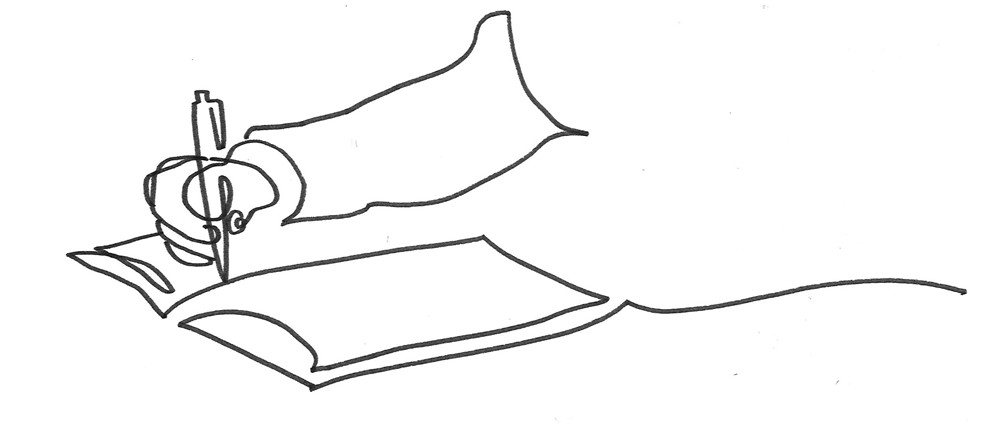
Writing a journal, or journalling, can significantly improve your health, especially if you are facing health challenges due to stress or have previously experienced a traumatic event. Research from the US indicates that individuals who write expressively in journals visit the doctor less frequently than those who don’t. Expressive writing (writing about your thoughts, reactions to situations, and experiences, including negative life events) is a powerful self-reflective tool. By exploring emotional moments in our lives, we are compelled to examine who we are, our values, and who we aspire to become.
While the standard journal style involves detailing your day with comments and reflections on your experiences, there are other formats that can also be helpful—such as responding to prompts or interweaving drawings with words. All of these styles are beneficial. It doesn’t matter whether you handwrite or type your journal; research shows no significant difference in health benefits between the two methods. However, it is essential that you write solely for yourself and keep your journal in a private, secure place.
Here are my top six reasons to start writing a journal:
1. Cheap Therapy
Without jeopardising my profession, the first benefit of journaling is that it serves as a form of free therapy from which all types of people can emotionally benefit. Research shows that men, in particular, gain from this activity. Writing about stressful events allows the writer to experience them from a distance with much-needed detachment, helping them to review and come to terms with those events. This has a positive effect on how you experience stress related to those situations. Journaling can also complement talk therapy, reinforcing and accelerating the therapeutic process.
2. Access All Areas
Journaling increases your self-awareness and your ability to reflect on your decision-making style. For instance, you may start to see your internal voice on the page insisting that you MUST and SHOULD do certain things. Ask yourself, especially if you are an adult, why you should or must do anything. If you track your mood over several days, you will be able to assess when you feel better or worse and how many days you’ve felt strong and capable as opposed to flat or sad. This can help you decide whether you can change those behaviours on your own or if you would like to seek additional support.
3. Stress Buster
When we have too many tasks running through our minds, along with heavy expectations we place on ourselves, we can become overwhelmed. Writing in a journal during such times will help you focus, calm your heart rate, and allow you to negotiate with your inner “shoulda-coulda-woulda” voice. This will enable you to discern which items you genuinely need to complete to stay on your life plan versus what is merely ‘noise.’
4. Problem Solved
When you write out a problem, your analytical mind can reinterpret the situation from a less emotional perspective, making it likely that you will discover different opportunities to tackle the issue. If you have a problem to solve, challenge yourself to write down five different solutions, even including the ludicrous ones. Also, consider reframing your view of the “problem.” Could it be viewed as an opportunity for growth, learning, or acceptance? Simply processing these ideas can help you structure a workable solution.
5. Resolve Conflicts
Writing about your unresolved conflicts with others can help clarify your own perspective on events while leaving you open to reinterpret your views and those of the other party or parties involved. Even documenting your emotional reactions within a dispute can serve as helpful therapy.
6. Increase Your Sense of Gratitude
A positive by-product of recounting your experiences is that you also get to acknowledge the sources of support in your life and the aspects that are good. If you don’t find gratitude naturally occurring, consider adding a section in your journal to celebrate three things you are grateful for in each entry.
Where to Start?
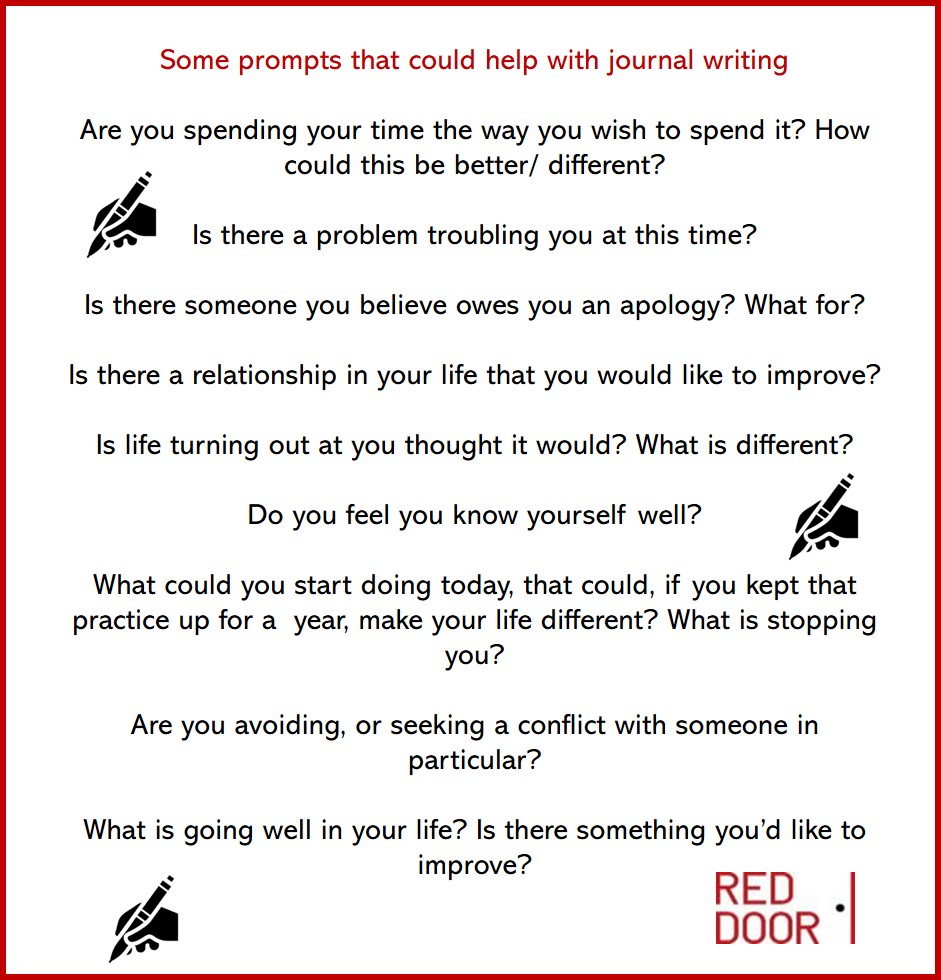
If you are experiencing a current stressful event or have faced previous trauma, you might find it helpful to write about these as a starting point. If you feel stuck, I’ve included a list of prompts that may assist you in reflecting on what is happening in your life and how you might like it to change.
Remember, in the words of Socrates, “An unexamined life is a life not worth living.”

