
Some people experience the same—or strikingly similar—relationship patterns with the same painful outcome, again and again. The books below can help illuminate your thinking patterns, needs, and preferences—so that if you want love again, the experience can be different.
1. Attached — Amir Levine and Rachel Heller

Attachment theory is a popular and useful framework for understanding relationship behaviors.
Recognizing your attachment style can help you understand—and even predict—how you may show up romantically. Attachment styles can influence behaviors such as feeling anxious about commitment, experiencing jealousy, avoiding closeness, or using silence as a form of emotional pressure or punishment.
This book is a strong introduction to the topic, and I find it both interesting and practical.
2. The 5 Love Languages — Gary Chapman
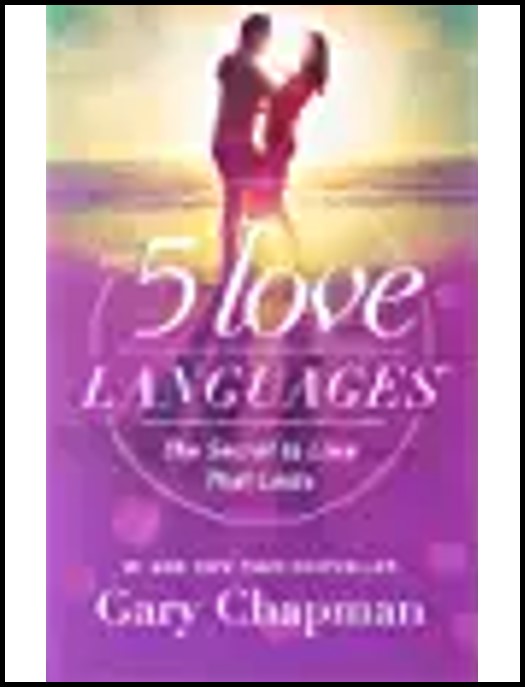
This concept has become part of mainstream culture, but it still offers a useful lens: to understand the love you want—and the love you give.
If you’ve been giving gifts that don’t seem appreciated, or if you’ve heard complaints like “you just don’t make time for us,” this book may help you make sense of why.
Chapman’s framework suggests that people tend to express and receive love in five main “languages”: physical touch, verbal affirmations, gift-giving, acts of service, and quality time.
Some authors have expanded the framework, but I mainly recommend the original version because Chapman’s explanation is clear and the associated tools can help you identify your patterns.
Chapman also released The 5 Apology Languages, which can be helpful for understanding your own and others’ repair styles during conflict.
A lot of communication that is intended to be kind can still miss the mark in relationships. Because we often show love in our love language, we may end up talking past our partner rather than communicating in the way they experience love.
It can be extremely helpful to discuss love languages together—sharing what small gestures make you feel special and what kinds of attention help you feel valued.
Love languages aren’t only useful in romance; they can also apply in friendships and families. For example, I’ve assessed my children: one responds strongly to verbal affirmations, while the other is more responsive to receiving gifts.
3. Getting Past Your Breakup — Susan Elliot
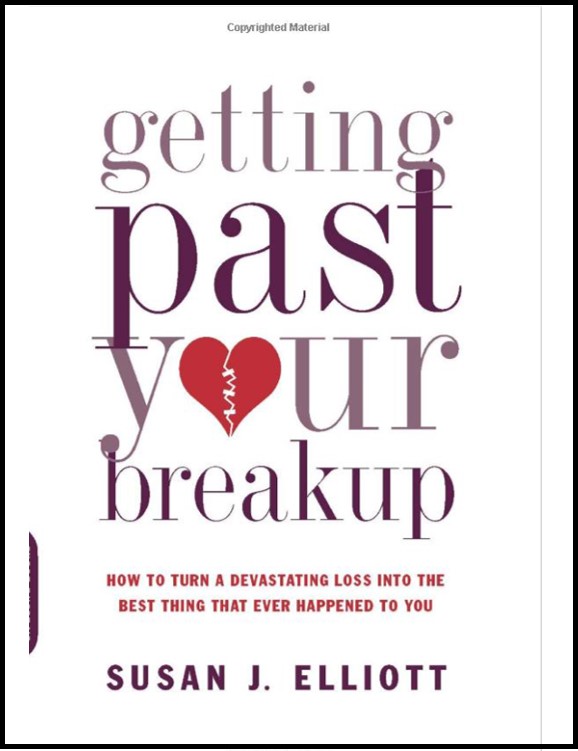
Although this book is primarily aimed at people navigating a breakup after the breakdown of a marriage, it can still help anyone who’s been shaken or afraid by relationship loss.
I appreciate how it frames loss as something that can be transformed into learning. The book explores what to do with painful feelings, how to detach from an old attachment, self-compassion, and reflective exercises—along with practical “inventory” checks to help you regain your momentum.
4. Daring Greatly — Brené Brown
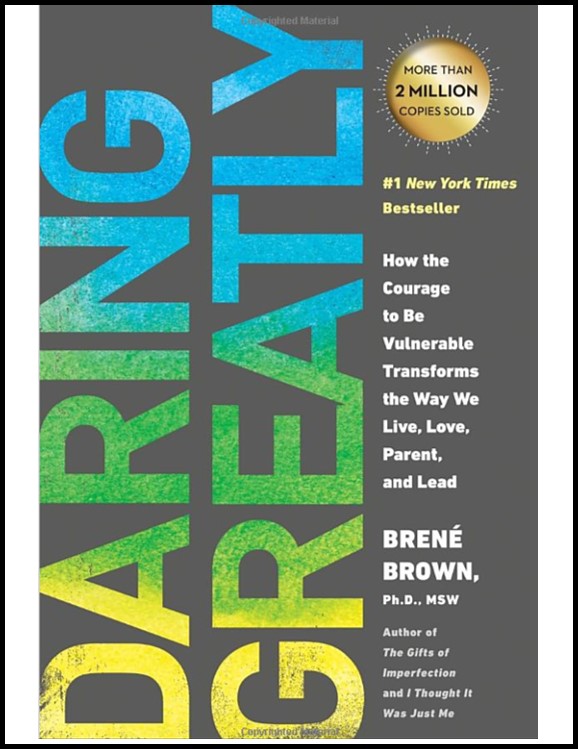
Brené Brown is another prolific self-help author, and Daring Greatly stands out because it’s especially focused on how we relate in love, work, and life.
Brown suggests that we often hold ourselves back due to fear of shame. When we move past that fear, we’re more able to be authentic, vulnerable, and brave—particularly in relationships.
In practice, “daring greatly” means having the courage to say what you want, ask for what you need, and invite the reciprocity you want and deserve.
5. All About Love — Bell Hooks

This is a philosophical and heavier read, and it’s not the kind of book you finish in one sitting.
Hooks explores what it means to expect love and what happens when love is denied in both familial and romantic relationships. She also examines how love is expressed—sometimes through duty, affection, and obligation—and what it costs us when the love we need doesn’t arrive.
The book emphasizes learning how to give love and allow it to come in.
Closing thought
The most important thing in life is to learn how to give love—and to let it come in. I hope you’ll take some time to invest in understanding what has shaped your concepts of love, how you practice love, and how you express it in relationships.

