

Understanding and Coping with Burnout
Feeling stressed at work from time to time is a common experience throughout our careers. A certain degree of stress can be beneficial, helping us build our capacity to face challenges, learn new skills, improve resilience, and solve problems. Indeed, without some level of healthy stress, we risk becoming demotivated and disengaged from our job responsibilities. However, when work-related stress becomes severe and prolonged, it can overwhelm our ability to cope, leading to burnout.
What is Burnout?
Burnout is a state of emotional and physical exhaustion, resulting from the body’s response to prolonged chronic stressors in the workplace. Burnout is a serious condition with global prevalence, negatively impacting not only individuals but also organisations, families, and communities.
Signs and Symptoms of Burnout
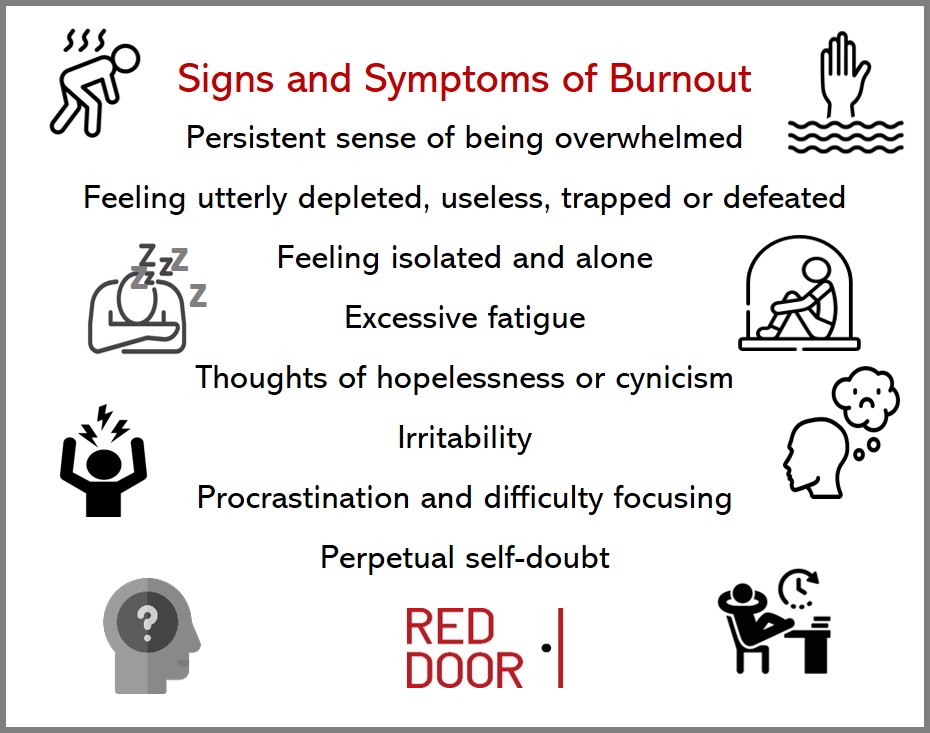
Some common signs and symptoms of burnout include:
- Persistent feeling of being overwhelmed
- A sense of depletion, uselessness, or defeat
- Feelings of isolation and loneliness
- Excessive fatigue
- Thoughts of hopelessness or cynicism
- Irritability
- Procrastination or difficulty focusing, resulting in longer task completion times
- Persistent self-doubt
Recovering from burnout is not simply a matter of “snapping out of it.” It requires time and support to acknowledge the problem, address underlying issues, develop healthy coping strategies, and build resilience.
The Role of Companies
Organisations also play a vital role in preventing burnout by fostering healthy work environments and cultures. This includes designing jobs that align with employees’ needs. However, when these structural gaps appear, individuals can benefit from understanding and managing their resilience against stress.
Treatment Options for Burnout
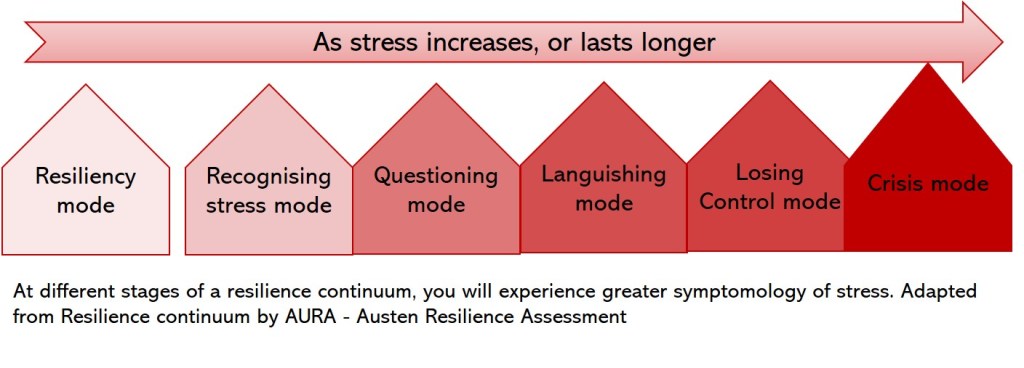
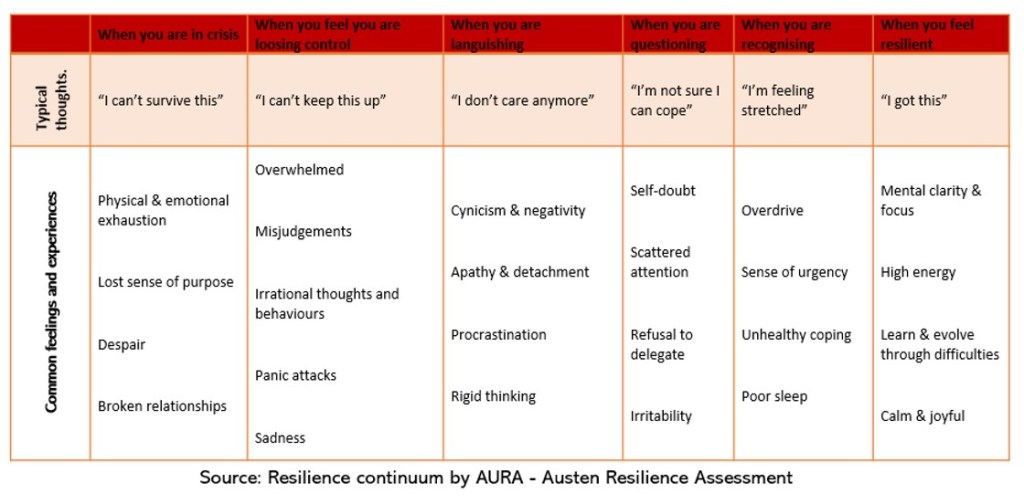
If you are experiencing burnout and feel low on the resilience continuum, several treatment options are available. These may include talk therapy and medical interventions, such as anti-anxiety or antidepressant medications. However, it is essential to address the workplace structures or culture contributing to stress. Finding the right treatment approach may require some trial and error, as there is no “one-size-fits-all” solution.
Coping Strategies for Burnout
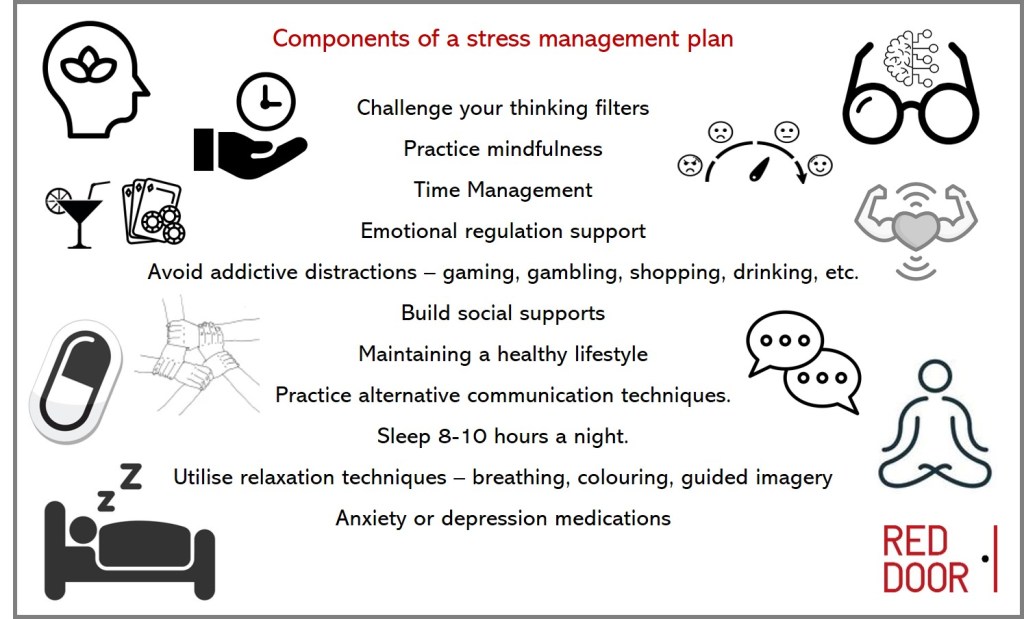
Implementing stress management techniques can help mitigate burnout. Here are some common strategies:
Challenge Your Thinking Filters
While some workplace experiences may include toxic practices or individuals, stress can also arise from our perceptions. Black-and-white thinking can lead to harsh self-judgments. Consider seeking a thorough assessment of your thinking patterns by reading our blog on this topic. [Link to Blog]
Practice Mindfulness
Mindfulness fosters greater personal awareness and helps you observe your thoughts and reactions in the moment. This practice allows you to step back from negative thought cycles and view situations more objectively. For further information on mindfulness, refer to our blog. [Link to Blog]
Time Management
Feeling that there is not enough time can exacerbate stress. Learning to manage tasks effectively, prioritising activities, and sequencing events can alleviate this pressure. Consider reading books on time management or consulting a performance coach.
Emotional Regulation and Support
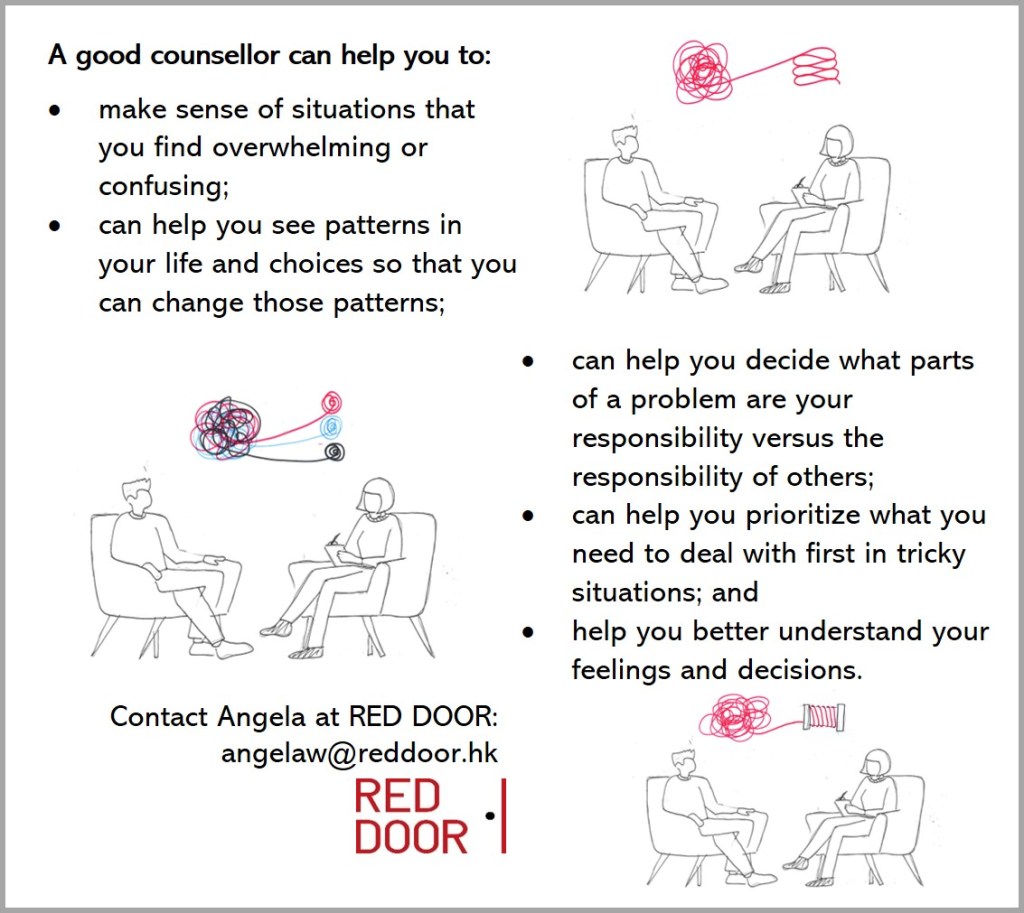
If you feel overwhelmed, it’s vital to regulate your emotions. Talking to someone about your feelings can provide relief. Consider consulting a qualified professional, such as a counsellor, to help process your emotions and build resilience.
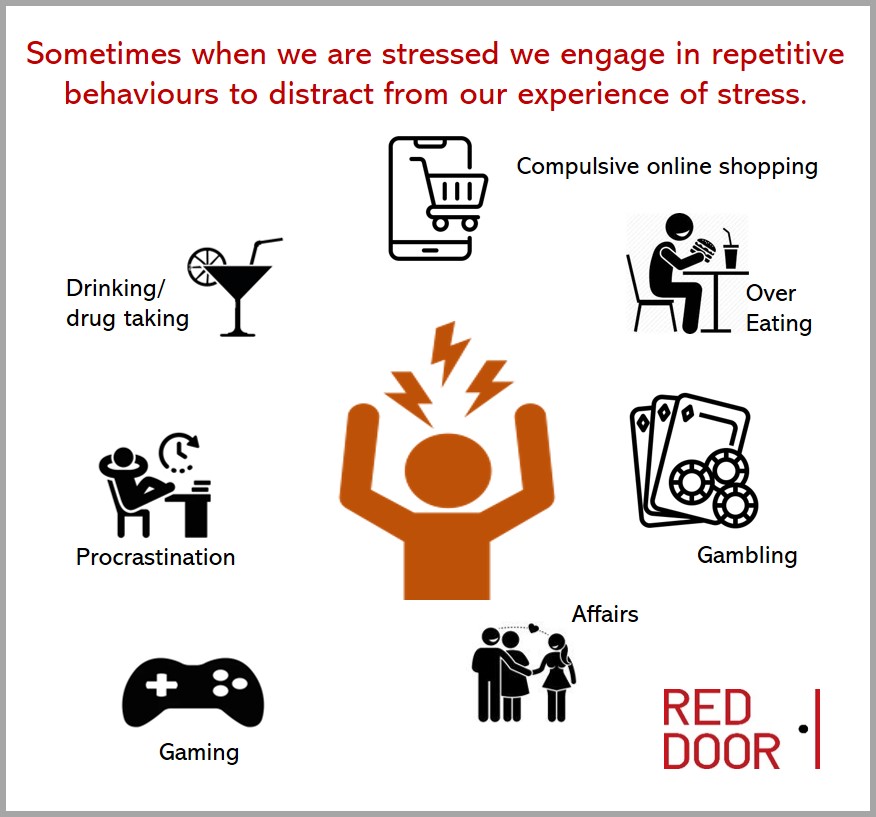
Avoid Addictive Distractions
Stress may lead to self-medicating or distracting behaviours that can worsen your situation. Recognise and address these patterns, as they may lead to new stressors.
Build Social Support
Healthy relationships with friends and family can provide essential support during tough times. Research shows that social connections can help manage stress, so focus on building and maintaining these relationships. For tips on making new friends, check out our blog. [Link to Blog]
Maintain a Healthy Lifestyle
Healthy behaviours—such as regular exercise, a balanced diet, and sufficient sleep (8-10 hours)—are crucial for coping with stress hormones and aiding recovery.
Improve Communication Patterns
Effective communication reduces misunderstandings and pressure. Learn to communicate assertively, expressing your needs and boundaries clearly and respectfully.
Utilise Relaxation Techniques
Incorporating relaxation techniques, such as guided exercises, yoga, or creative activities like colouring, can help lower stress levels. Consistency is key for effectiveness.
Consider Medication
If other methods prove ineffective, discussing anti-anxiety or antidepressant medications with your GP might be an option worth exploring. Address any concerns you have about potential dependencies or side effects.
Conclusion
Burnout is a serious issue that should not be overlooked. If you find yourself feeling completely exhausted, it’s time for a change—one that involves understanding your responses to and relationship with stress. Recovery is possible, and with the right strategies and support, you can feel better.
_______
About the author: Angela Watkins is the head counsellor at RED DOOR Counselling. She offers individual counselling to adults, including those working through workplace topics such as conflict resolution, moving from good to great, burnout, and career change contemplation. Contact Angela at Angelaw@reddoor.hk or send a whatsapp to 852-93785428

