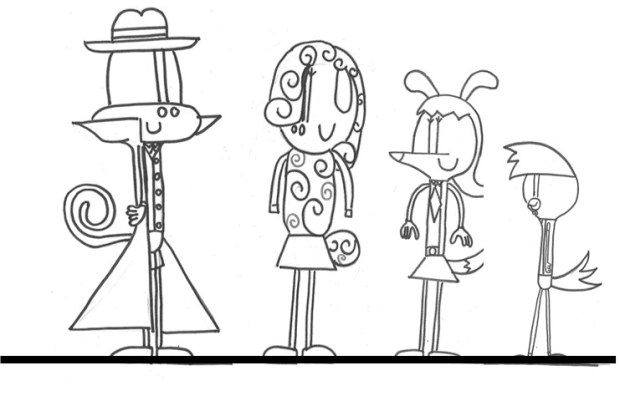
The year ahead: SHEEP, MONKEY, ROOSTER, DOG.

monkey_sheep_dog_rooster

What is in store for you in the year of the Pig? The year of the Pig begins on Tuesday 5 Feb 2019. The Chinese Lunar New Year indicates changes in the presiding powers, and the luck of people born under the 12 zodiac signs (animals). RED DOOR has summarized the predictions of various Feng Shui experts to provide a summary of your luck, wealth, health, career and relationship forecast for the year. We’ve added a RED DOOR reflection approach for each forecast to help you consider possible psychological adaptions and details that will position you to best optimise the changes of the year ahead.

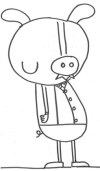
The zodiac character symbols included here are designed by Hong Kong cartoonist and artist Justin Tan. These characters will soon be launched into a comic series Horoscope High.

Forecast for those born under the sign of the GOAT/ SHEEP

sheepThis year for those born under the sign of the SHEEP/ GOAT  will be a fairly positive year. Steady and conservative growth is possible. Wealth and career luck are positive. You will mostly need to rely on your own efforts in order to make money and progress, rather than expecting other people to make your life easier. Your interpersonal relationships with friends and family will be fairly stable, and your love luck will be good. Involvement in projects that help the community will be advised for you this year. Your health will be maintained if you watch what you eat, and take a moderate approach to indulgences and activities.

RED DOOR Reflection:  Do you believe that you rely on others, or mainly look after yourself? This is a year where your own energy and commitment creates the luck you will attract. How do you judge your motivation to take charge of your life?


Forecast for those born under the sign of the MONKEY

monkeyThis year for those born under the sign of the MONKEY might want to take a conservative approach to this year. Investment opportunities exist but be cautious. There will be unexpected costs this year, so do no lend money, and invest in tangible objects rather than investments on paper. The only paper exception will be lottery tickets. The occasional ticket may bring you some minor luck. Invest in further education this year, as this is never a waste, and year will be an ideal investment. Relationships with family and friends may be tried and tested this year, as conflicts and disputes may seek you out. Try to stay positive, and forgive hurts and betrayals. Your reproductive system, and urinary system will be vulnerable this year, so take care of your health.

RED DOOR Reflection: Can you withstand the effect of negative gossip? Under what conditions are you prepared to ignore, or even forgive, the careless actions of others?


Forecast for those born under the sign of the ROOSTER

roosterThis year for those born under the sign of the ROOSTER with have not much to cluck about, or to crow about. This year is one of maintained status quo, particularly in romance and personal relationships. Stability will be the theme of the year. There are minor opportunities for investment, but there will also be more expenses than usual this year. This year you will be filled with new ideas and therefore you may feel unsettled at work, so feel a desire to look around. Do more for yourself this year, expand your mind, invest in learning new skills. Your health should be OK this year.

RED DOOR Reflection:  Lots of new ideas coming your way this year, how will you know which ideas to bring to realisation.


Forecast for those born under the sign of the DOG

dogThis year for those born under the sign of the DOG contains some legacy elements from last year. Some of the negative energy from the Year of the Dog will linger in the first few months of the Year of the Pig. After the spring (Northern hemisphere only) these disputes should clear. Think positive and stay hopeful. Once you can shake off last year, your wealth luck will be positive. After Easter, buy lottery tickets and take on a job to make some money on the side. Career progress will be slow this year, keep up a steady effort to maintain your social position. Your love and personal relationships will be positive this year. After April you should expand your social activities, as there is an abundance of support available to you this year.

Last year you may have experienced frequent illness, this year should be much better for your health. 

RED DOOR Reflection:  The first three months may feel heavy or negative, how can you work to improve your level of positivity.


Good luck for the year ahead. Our next blog will feature the forecasts for the next four zodiac signs. the Rabbit, the Dragon, the Snake and the Horse.

If you would like more information about RED DOOR or the art of Justin Tan please contact angelaw@reddoor.hk

#yearofthe pig

#reddoor

#chinesenewyear

#horoscopehigh

Forecasts for the New Year: RABBIT, DRAGON, SNAKE, HORSE.

dragon_snake_rabbit_horseWhat is in store for you in the year of the Pig? The year of the Pig begins on Tuesday 5 Feb 2019. The Chinese Lunar New Year indicates changes in the presiding powers, and the luck of people born under the 12 zodiac signs (animals). RED DOOR has summarized the predictions of various Feng Shui experts to provide a summary of your luck, wealth, health, career and relationship forecast for the year. We’ve added a RED DOOR reflection approach for each forecast to help you consider possible psychological adaptions and details that will position you to best optimise the changes of the year ahead.

The zodiac character symbols included here are designed by Hong Kong cartoonist and artist Justin Tan. These characters will soon be launched into a comic series Horoscope High.


This year for those born under the sign of the RABBIT.

rabbitA fairly neutral year ahead for those born under the sign of the Rabbit. Whilst you may not feel like working hard, this will be a year when you may have to. Expanding your skill set or business remit is advised. Still you will not experience much career progression this year. Perhaps invest in your skill set or business repertoire, and sit back and watch the market this year. Your health should be good this year. Happiness and contentment at home will support your ability to fight common infections.
Friendships and romance should be stable this year. You won’t be the target of too many disputes or gossip. For the majority of the year your relationship status shouldn’t change, those who are single aren’t likely to find a new love until the last quarter of the lunar year. Those already in a relationship will experience the development of further depth in that relationship.

RED DOOR Reflection: It appears that learning new skills would be helpful for you this year. What skills would help you develop your current or future career?


This year for those born under the sign of the DRAGON.

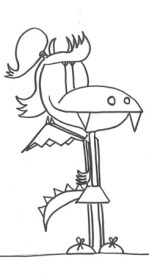
dragonThe year of the Pig attracts an abundance of luck for those born under the sign of the Dragon. You have good luck with investments and money this year. Entrepreneurs will be the luckiest of all Dragons. Career development opportunities will be positive this year.
Dragons may attract love or experience an improved love life, as well as public support from friends, family and colleagues. Your health is going to be ok. You may suffer from minor illnesses and problems attached to your stomach, so be mindful of what you eat and drink.

RED DOOR Reflection: What do you think you would like to achieve this year? Is it time to set some ambitious goals?


This year for those born under the sign of the SNAKE.  

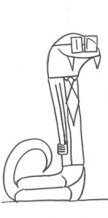
snakeIt would be wise for the Snake to invest in future planning, relationship building and adapting to change this year. The Snake does not have exceptional luck with money or their career this year unless they plan to actively expand their network and engage in self-promotion.  You may attract disputes and conflicts with friends so take care, and be patient in these relationships. Slow and careful is a good approach to your health as well. Bad luck with your health will be caused by rushing, so apply caution. In your love relationship invest in your relationship to continue to keep your relationship strong.
RED DOOR Reflection: Your career is dependent on self-promotion and networking, how comfortable are you to promote your skills to a new audience? What is holding you back?


This year for those born under the sign of the HORSE

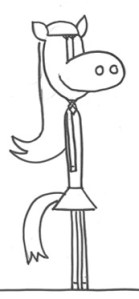
horseThe Horse will find a stable of support this year, especially from friends and family. Others will recognise your talents so this is not the time to hold back on showing these skills and developing further strengths. This may be a year of investing in your future financial and career success, rather than the year that you reap immediate returns.
Your health will be mostly stable this year, but do watch what you eat since you may get the occasional case of stomach upset.

Romance is not the air for the horse this year. This is a time to enjoy green pastures and feel good running around on your own.

RED DOOR Reflection: Are you grateful for your talents? What can you do to improve the skills in which you excel?


Good luck for the year ahead. Our next blog will feature the forecasts for the next four zodiac signs. the Rabbit, the Dragon, the Snake and the Horse.

If you would like more information about RED DOOR or the art of Justin Tan please contact angelaw@reddoor.hk

#yearofthe pig

#reddoor

#chinesenewyear

#horoscopehigh


The year ahead: PIG, RAT, OX, TIGER

pig_rat_ox_tigerChinese New Year Forecasts

What is in store for you in the year of the Pig?

The year of the Pig begins on Tuesday 5 Feb. The Chinese Lunar New Year indicates changes in the presiding powers, and the luck of people born under the 12 zodiac signs (animals).

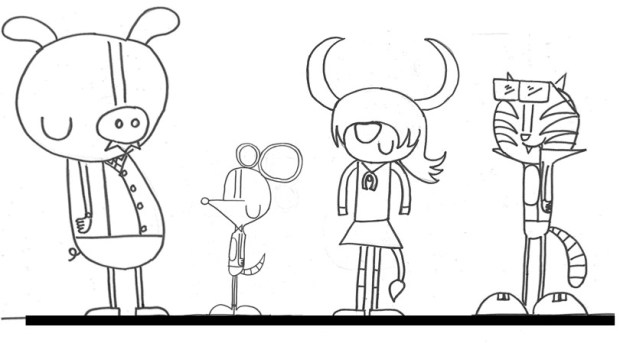
RED DOOR has summarized the predictions of various experts, and with a RED DOOR reflection approach highlights psychological processes and questions which should prepare you for the prediction outlined for your sign. The zodiac character symbols included here are from upcoming cartoon series HOROSCOPE HIGH featuring the cartoon artistry of HK artist Justin Tan. Below are the predictions for the PIG, the Rat, the Ox, and the Tiger. 


This year for those born under the sign of the PIG.

pigTypically, as your sign ascends in power you will face a number of personal challenges. Whilst it could be perceived that this may be an unlucky year, a different perspective filter could be applied. Rather see this year as providing opportunity for review, reframing, and reshaping of your future.

Wealth this year will be hard to come by, and expect to have to work quite hard for your salary. Career trajectory may be stiffed this

year, expect to stay put without progress. Your romantic relationships will also experience change, although for those who are single this may mean that you start a new relationship. Personal relationships will also be challenging this year and Pig decedents may find themselves tormented by disputes, conflict and gossip. Watch your health.

RED DOOR Reflection: This year will be bursting with lessons to be learnt, are you open to learning new things about yourself, your friends and your life journey?


This year for those born under the sign of the RAT.

ratThe year of the Pig attracts an abundance of episodes of luck for those born under the sign of the Rat. Wealth this year will be hard to come by, and expect to have to work quite hard for your salary. That said, if you are an entrepreneur or paid-by-the-piece you will reap well from your hard work. Career wise you may also find yourself receiving positive attention and recognition, as people around you are more likely to sing your praises and see you in a favourable light.

Rats will attract love, both inside and outside of relationships. Extra marital affairs are a risk, so be careful to keep your ego in check.  Your health will generally be good.

RED DOOR Reflection: Can you get too much of a good thing? If you find that you are the centre of attention from others how do you respond, and can you keep your ego under control?


This year for those born under the sign of the OX.

Overall a more luckier year than last year for those born under the sign of the Ox. Career and money luck will come from your own efforts, rather than your relationship with others. You are expected to oxmake money and achieve a promotion. Rather neutral love luck this year, stable relationships will remain stable, but those looking for new love may find they need to wait. Having come of out of challenging year provided by the Dog, this year will feel better in terms of conflicts and disputes with family and friends, simply by the year being more neutral than negative. Health wise watch what you eat, especially around the beginning of the new year when there is a temptation to overindulge.

RED DOOR Reflection: Did you see last year as lucky or unlucky? Since your luck is scheduled to improve this year, ask yourself what would you do if you knew you could not fail?  


This year for those born under the sign of the TIGER.

tigerThe year of the Pig attracts an abundance of episodes of luck for those born with the eye of the Tiger. Wealth and Career advancement are contingent on your efforts. If you put some effort into getting activities started you will find you can eventually go with the flow of the good energy you have created at the outset. You will be lucky if you work hard.

Tigers should have stable relationships this year both in matters of love, and with family and friends. Others will be willing to support you, and you are seen as an attractive mate this year. If you have been prone to injuries of the foot, hip or legs, take extra care of these body parts this year.

RED DOOR Reflection: It seems from the prediction that those who provide strong energy to start projects will be rewarded. Do you consider yourself a strong starter of projects? How would you describe your levels of motivation?


Good luck for the year ahead. Our next blog will feature the forecasts for the next four zodiac signs. the Rabbit, the Dragon, the Snake and the Horse.

If you would like more information about RED DOOR or the art of Justin Tan please contact angelaw@reddoor.hk

#yearofthe pig

#reddoor

#chinesenewyear

#horoscopehigh

Let it Go, Let it Grow

let it go

Anytime is a good time to Let it go, and as a result, Let yourself grow.  
Past hurts and old injustices can keep people stuck in old patterns of behaviour and thought traps. Bad memories can be like emotional quicksand, and can consume your thoughts taking command of your day-dreams, and leave you feeling obsessed over perceived or real losses, betrayals, and inequities.

It is possible, and probably beneficial, to give yourself a “time’s up” mandate. Just as you might join a gym in order to support your commitment to new health behaviours, you can also decide that you will stop allowing old hurts to define you, in order to let new hopes, grow.

This can be easier said than done. Part of the reason that “Let it go”, is so hard is that it is a challenging is that it is not satisfying in itself, without a benefit or alternative activity. Replacing one type of thinking with another, is easier to contemplate than simply asking an active mind to STOP. An active mind wants to remain active. In order to let it go, we need also think about alternative thoughts and behaviours to actively replace old tired traps. Hence, I ask you to consider, let it go, to, let it grow.


How to let go of old hurts, thoughts and harmful behaviours. 

Cease magical thinking.

Magical thinking occurs when you assume patterns of reactions that have not previously been in evidence. For example, if you are thinking, “If I do x then y will happen”. For example, “if I get sick, he will come back and feel sorry for me” or, “If I just collect enough evidence of this betrayal, my family will finally realise they have wronged me.” The relationships that you thought you think you should be having are probably quite different from the ones that you are actually experiencing in real life.

Learn to accept that other people’s bad behaviour is (REALLY) not about you.

It is common to become stuck when people have wronged us. Betrayal is often not about you, it’s more about our perceived “betrayers” desire to follow their desires at your expense. Whilst this feels unfair, and may not be what you signed up for in a work or personal relationship, focusing on the betrayal keeps us stuck in the role of victim.

Challenge your labels.

Are you stuck playing the role of a victim, or as an unappreciated hero? Check if you are continuing to hold onto a role label that really has not benefit for your growth. For example, if your partner was unfaithful and ended your marriage – perhaps be grateful for the end of a marriage that wasn’t working. For example, think to yourself, “He had an affair which ended the ‘not the best ‘marriage. I have been stuck feeling bitter and as a victim because I didn’t cheat (even when I wasn’t as happy as I wanted to be). The affair gave us both a way out to the marriage whilst allowing me to be the good guy. I wanted that, but now I want more than just that… “

Check your goals.

You may be consumed with a controlling desire to acknowledged as being wronged. It is possible that you will never receive anywhere near the level of acknowledgement you aspire to. Ask yourself, what do you need this acknowledgement for? Will this make you feel whole? If everyone you could list acknowledged that you were wronged, would you feel complete? Why can’t you be complete without the acknowledgement that you crave? Is that real, or perceived?  You set your own value, not another person. Others do not need to acknowledge that you have been treated unfairly in order for that be your reality. This is a trap that many abused people can fall into. Without the abuse being s acknowledged it can be hard to move on, but it isn’t really necessary. People who have been complicit rarely acknowledge that abuse occurred. If you were wronged, this is your fact, and that is enough. Now you can move toward recovery.

Take responsibility for your role in a situationand no more.

Each party in a hurt played their role, including you. Take some responsibility for maintaining, creating, even exacerbating a situation. Make a promise to yourself that this can end, and you will end it.
Acknowledge forgiveness, even if only for yourself.

Whilst forgiveness can feel like you are letting the bad guy off, even potentially endorsing their behaviour, there is some benefit to forgive rather than feel angry. Elizabeth Smart who was held captive for 9 months when she was 14 could have hated her captors forever. Instead she chose to realise that she holding onto the pain and negativity of what had happened to her allowed her captors the opportunity to steal more of her life than they had already dominated. She chose to forgive them and instead focus on her happiness and freedom.

Explore possible rigidity with the power of “YET”. 

Thinking rigid thoughts such as “I can’t do that” will keep you trapped. So will thinking “it is not okay for me to move past this hurt. Add the word YET and this changes everything, suddenly you can’t do this yet, you can’t get past this hurt yet.
Write a ‘let it go’ letter

Write a letter to those who you feel hurt by. For example. “You have wronged me. I didn’t deserve the abuse you have wrought. I’ve been angry long enough. I’m letting go of my feelings of anger, resentment, hurt and betrayal because I don’t need to carry those around with me anymore. I choose not to give you any more of my energy”. You do not need to send the letter. This letter is for you to capture your hurts and thoughts on a page.


Channel your energy into positive change. Let new thought patterns develop.

Transform your narrative

Rather than label yourself as wronged, or as a victim, think about who you are in the story of your life. Are you a survivor? Are you working to make yourself a better person? What are your strengths? How can you be more empathetic and realistic in your view of yourself? You are a work in progress, celebrate where you are going and what strengths you have to get yourself there.

Future focus

What is in the future for me? What do I want in my life? What am I CHOOSING FOR MY FUTURE? Do not focus on what you leave behind. Imagine the past is like the border of an old country of hurt, and now you live somewhere else and that border is closed.

Get on your DIVA amour
Utilise the amour and weapons of a true diva. Being strong, being clever, continuing a struggle, are values within a cloak of amour that you put on. For me, I celebrate being a diva-hustler, (thank you #Michelle Visage #DivaRules). This means I remain determined to build opportunities for myself and take chances. Other people I’ve worked with have found their diva in other self- visualisations (eg Madame Butterfly). The weapons you have to support this Diva-amour are your strengths (your smarts, your friendships, your focus, your commitment, your creativity.)

Write a mantra specifically for  you.

A mantra is a passage that becomes an instrument of the mind. What the mind sets as an intention and belief so that this can to fruition. Phrase this in a positive voice. Celebrate your strengths. Remind yourself of your goals. For example

I am strong, calm, loved and forceful. When I face a challenge, I will draw strength from the people who love and support me, remember all that I have already achieved as a result of my focused activity and my commitment to my family, and myself.

I give love, I am loved. I am enough


Decide to pursue internal love over external anger.

The cure to external anger is internal love. Even if you are still working on accepting yourself, remember that it is OK to be not okay, as long as you are a work in progress. Be kind.
Gratitude

Being grateful reminds us want we  have, rather than focusing on what you perceive may be missing from your life. When we see what we have we learn to that we are more complete than we first realised and have more than enough in life, and even more importantly, we are enough.


I hope you find these activities helpful. If you find yourself stuck in old hurts you can consider to consider therapy to help you let go. All of us need help sometimes, and that is okay.


#michellevisage #divarules  #recovery #reddoor #gratitude #mantra #mentalhealthessentials #mentalhealth

Death is nothing at all? Learning to grieve well.

deathisnothing3

The Western world has a lot to apologise for when it comes to bereavement. Our approach to dealing with death actually makes it more painful for some people. There is some societal expectation that we can just “get over it”, and that “closure” is our objective. We live in fear of our own deaths, as if death were an option and not a reality. We even fear the corpse – as if it were somehow separate from our once living body, not simply another step in the life cycle.  Is this healthy?

The seminal book, “On Death and Dying” was written by Dr Elizabeth Kübler-Ross. I had the pleasure of attending her workshop on the five stages of grief following death and was changed forever. Dr Kübler-Ross reminds us that since we never know when we or others will die, we should never leave a loved one unsure of our feelings for them, and never let your last words be those filled with malice.

In our counselling practice, clients come to us trapped in their grief over the passing of loved ones, angry at their own impatience that they just can’t get past these feelings.

Dr Kübler-Ross was one of the first researchers to analyse an individual’s response to death. Each person’s grief is unique and depends on their personality, the relationship with the deceased, the quality of death (sudden, long, quiet, violent), the emotional style of the bereaved, their mental health, and the social and cultural perspectives on death and the afterlife.

Your personal experience of grief might be some of the elements that you could address with a counsellor in therapy. In addition to your individual expectations, we would also explore how, as a product of  society and culture, you can experience  bereavement in different ways

The societal and cultural views of death and grief

There are three basic cultural beliefs about death. First, there are those cultures which death is to be defied. They  believing that death can be vanquished and is temporary, such as the beliefs held by ancient Egyptians. Second, there are cultures that accept death, including those of the Pacific region, such as the Fijians, believe that death is simply a stage of life. Death is a stage of life, and therefore discussed openly. Finally, we have a western view – the death denying. We behave as if death can be avoided and that grief should to lead to quick and convenient closure. This approach can exacerbate feelings of shock around the experience of death. Suddenly someone you love is gone, and society expects you to just move on. When we struggle we start to wonder if there is something is wrong with us, rather than the expectations of our society.


Rich in rituals

The use of rituals at the time of death may help or hinder the experience of grief. The formal funeral common in the western world is a far cry from the Maori Tangihanga – a three-day grieving ritual with gathering, storytelling, beer and tears a plenty. The same could be said of the Irish tradition of a merry wake. These highly emotive celebrations lament death and mourning as a rite of passage, normalising the expression of pain. It is not sombre, quiet and with restraint. All emotions are explored and experienced.


Connecting to the echo

Staying connected to those who have passed helps people to grieve. Celebrating a loved one’s birthday with their favourite food or wine, or enjoying one of their activities, continues to keep you connected to those who have died. In her wonderful book for children, “The Invisible String”, Patrice Karst reminds us that we remain connected to the dead through our shared love and remembrances. Rituals and celebrations are a great way to maintaining connectivity. The Mexican celebration, the Day of the Dead invites the departed to revisit the earth and join their families. The Chinese traditionally improve the afterlives for their loved ones by burning paper objects such as iPads, new clothes and even cars so that their ancestors are nice and comfortable. These rituals keep the departed loved, remembered and, most importantly connected to the living.

I close with the wonderful poem Death is Nothing At All by Henry Scott Holland, who speaks eloquently for the departed.

Death is nothing at all.
I have only slipped away into the next room.
I am I and you are you.
Whatever we were to each other,
that we still are.

Call me by my old familiar name.
Speak to me in the easy way
which you always used.
Put no difference in your tone.
Wear no forced air of solemnity or sorrow.

Laugh as we always laughed
at the little jokes we enjoyed together.
Play, smile, think of me, pray for me.
Let my name be ever the household word
that it always was.
Let it be spoken without affect,
without the trace of a shadow on it.

Life means all that it ever meant.
It is the same that it ever was.
There is absolutely unbroken continuity.
Why should I be out of mind
because I am out of sight?

I am waiting for you,
for an interval,
somewhere very near,
just around the corner.


#Bereavement

#CopingwithDeath

If you would like to regularly read our RED DOOR blogs – on a range of topics from death, mental health and wellbeing, relationships, parenting, anxiety, sadness, addiction, and so much more – please like our FB page:  https://www.facebook.com/REDDOORHongKong/

__________________________________________________________________

Angela Watkins is a psychologist and counsellor at RED DOOR Counselling in Hong Kong. Her current clinical work focuses on parenting, family life, parenting SEN children, anxiety, OCD, career change, stress management and divorce.

Start me up – responding to career crisis

start me up

It happens to almost all of us. One day you realise it’s time to leave your current job. Sometimes you want to, sometimes you are driven by forces beyond your control. When it comes to a career change, getting yourself mentally prepared will help you select a  job that helps address your current dissatisfaction and cover your expenses. You can respond more effectively when you better understand the impact of the catalysts of change (you vs them), and your readiness to respond (engine primed vs engine stalled), on your emotional well-being.


Responding to the catalysts of change

Change in your career driven by external forces is often beyond your control. This may initially leave you feeling powerless or in a state of disbelief. Your job may be marked for downsizing, your project may fall out of favour with management, or past allegiances may make you a target for future dismissal. Outside of the office, other external factors such as your marital status or health may impact your ability to work the way you have in the past. Change may be required so that you can take care of your child, go to the hospital for specific and timely treatments, or reduce your stress to save yourself from exhaustion. The COVID pandemic compressed the job market for a while, meaning many people found their jobs were not possible, and thus, terminated. 


Sometimes the catalyst for change is internal – such as a lack of fulfilment, boredom, or dislike of people or processes within your organisation. You will feel frustrated, demoralised and demotivated.  Do you think it’s time to move on?


Readiness to change – the primed vs the reluctant

How much you want to change jobs, and respond to that desire, will influence how successfully you change your career. You may not want that change to happen, but you must cope with change that is going to occur.  Those that are primed for change not only want it, but are looking for the nearest well-lit Exit and a door to something better. Those that are reluctant may be riddled with doubts about their worth and performance. In short, they are scared – right now.

If you get yourself ready for change – and respond to the right catalysts in an optimal fashion, you will gain a sense of control and tame your fear.


What to do when you are primed to respond to external catalysts:

If you face external forces and are primed for change you will need to shift from feeling resentful and out of control towards feeling empowered. This is an opportunity for excitement and optimism as you recharge in a new career. To make a positive change, find your passion and move forward with purpose. Identifying your passion sometimes seem quite complicated. Try asking yourself these three questions:

1.   What job would you do for no monetary payment at all?

2.   What role do you need to fulfil in life to feel complete? And, importantly for most;

3.   What can you do to be paid to do what you want to do?


What to do when you are reluctant to respond to external catalysts:

If you are reluctant to accept change you may engage in mental cycles, bargaining with yourself: “If I just do xxx, then management will see this situation differently”. Whilst there may be some possibility of accommodating change, this is a very stressful way to survive, with no guarantee of success or peace of mind. Denial and resistance in the workplace will not help you succeed. What can you do? Work on accepting what may be inevitable, protecting yourself and your self-esteem. In these situations, people often blame themselves. Be gentle. Take a kind look at yourself and a harsh look at your circumstances. Company decisions do not reflect on you personally.

Help yourself by recognizing and exploring some of the faulty thinking that may occur. Are you taking too much personal responsibility for events that are out of your control? Are you personalising a situation which really isn’t personal? Do you catastrophize – think that this is the end of the world, rather than the end of a job? Getting past the fear of “breaking up” will allow you to get your head back in the game and focus on finding a job where you will be fulfilled and appreciated. Start collecting yourself step-by-step. Each day remind yourself that life begins at the end of your comfort zone, not in the middle of it. Do one thing every day towards building a new tomorrow for yourself. For more information, read our blog – Career change with courage click here


What to do when you are primed and ready to answer internal unrest:

If the force of change is internal, then your thoughts or experiences have left feeling a need to change – whether it’s your responsibilities, management, pay or colleagues. A progressive step may be to conduct a “life audit”. What is working in your life right now, and, more importantly, what isn’t? Are you doing this job because you want to or because you feel you should?

As a counsellor I encounter clients with well-paid, high-powered jobs which they hate but feel obligated to continue. Expand your concept of what constitutes a reward – it takes courage to change a job that pays well in cash, but very little in terms of satisfaction, joy or meaning. Start to think about what you like to do.  A complete change of career is possible.  If you won’t retire for another 10-15 years, wouldn’t you prefer to do something that you love?  If you get stuck, work with a counsellor or executive coach to consider career opportunities. You don’t have to jump ship today, but having a timeline will buoy you through today’s annoyances until you are ready.

What to do when you face internal unrest, but are reluctant to change:

It’s hard to live with the pain created by internal unrest while you are reluctant or resistant to change. This echoes the route to insanity – doing the same thing again and again yet every time expecting a different outcome.  This stalemate can lead to feelings of dissatisfaction and depression. In order to survive emotionally, if you determine that you will stay in your a job, you need to make peace with your situation. You may be able to create more balance between the elements of your life you like and those that you don’t. Take up a new sport or hobby. Volunteer in the community. If peace does not come easily avoid escapist traps of self-medication through drugs and alcohol, which will only add to your feelings of depression.  If you feel stuck, and are scared, you are not alone. Engage a coach or a counsellor to help you get ready to accept, or to move on.

————–

#careergoals #careerchange #occupationalstress #resiliency #careergoals #futureofwork #stress

Other great articles about career change

Face career change with courage. You can do it

https://reddoorhongkong.wordpress.com/facing-career-change-with-courage/

Future success is not an accident. Prepare yourself for the Future of Work

https://reddoorhongkong.wordpress.com/2017/08/09/defeating-fo-fow/

How to respond to career crisis

https://reddoorhongkong.wordpress.com/2018/07/11/start-me-up-responding-to-career-crisis/

Work stress – manage stress for Lawyers.

https://reddoorhongkong.wordpress.com/2019/11/27/work-hard-stress-harder-understanding-the-experience-of-stress-among-senior-lawyers-in-hong-kong/

________________

Angela Watkins is a psychologist and counsellor at RED DOOR Counselling in Hong Kong. Her current clinical work focuses on adults in the areas of career change, loss of direction, burnout, relationship, depression, OCD, anxiety, perfectionism, the experience of divorce, family challenges,  and parenting special needs children.


COMPARISON: a one-way ticket to Misery

Jane sat down next to Lucy at the Christmas concert.  Lucy started to detail the family’s travel plans for their Christmas holiday.

“It’s important to get out of town now that we can, and we need to go state side to catch up with my family before we go to Europe to see Ben’s parents”. How about you, where are you going?”

Jane didn’t want to tell Lucy that she and the kids were experiencing tough times financially, and there were no overseas trips on the horizon. “I don’t know yet”, she lied. To herself, she thought, “Lucy is so lucky; I am such a failure”.


People often appraise their success, their status, and their personal worth by comparing themselves with others, even celebrities. Facebook and Instagram are full of images of beautiful smiling families, exclusive dinners, children’s awards, and personal achievements. Comparing ourselves with others, especially through social media channels, can rob us of joy and happiness. At a time when we often discuss our plans for the holiday season, comparing celebrations can rob you of some of  from the joy you create with your own plans.


Invariably, there are will always be someone who is a better academic, speaker, sportsperson, or is taller, thinner, richer, with more Facebook friends than you. When we make these comparisons to others, we stimulate feelings of inadequacy and bitterness within ourselves. These comparisons are especially harmful to teens as their sense of self is not as yet fully developed. Whilst we often compare our experience to that of others, ask yourself if you do this more than is helpful? Read on and see if comparison is actually impacting your ability to be happy.


 Seven reasons to stop comparing. 

1)    When you constantly look at the world through a lens of “winners and losers” you will always find others who have achieved more than you. This is disorienting, and artificially casts you in the role of loser. This is damaging to your sense of self-worth.

2)    Comparing people is usually driven by inaccurate information. In the situation described at the beginning of this blog, Jane feels inadequate because she is comparing the value of “holidays”, what that might signify to others and then applying her perceptions to her sense of success. She doesn’t know that Lucy has a troubled marriage, struggles with her children, and suffers with mental health issues. We often compare  snapshots and these are often superficial, incomplete and heavily filtered (not to mention photo-shopped).

3)    Constantly comparing yourself to your friends, and others, robs you of the enjoyment in celebrating their successes with them, and can lead you to see friends as rivals rather than a valuable source of personal support and fun.

4)    Comparing yourself with others is a constant losing battle. It never ends. Striving to compare doesn’t make you feel better and can create a learned compulsory cycle of discontent, feeling “less-than”, and self-hatred.

5)    Comparisons with others can distract you from your goals. The ruminations that comparing creates zaps your energy and wastes what energy you have focusing on a perceived deficit in yourself rather than on achieving your goals in life.

6)    Comparing yourself with others will only echo the feeling that life is unfair. Some people are born with more advantages such as social connections, wealth and looks. The world is an uneven playing field. When we focus on comparisons we brood on this unfairness rather than focusing on what we have the power to achieve.

7)    Comparisons focus your attention on the outside world, rather than your inner state. When you focus on how you look relative to others, you may lose sight of what values you want to represent and who you are as a person.


Break the cycle: compare no more

  • The first step to breaking the comparison mindset is to acknowledge the thoughts you are having and accept them as they occur. Remember that you have choices. Decide to challenge your thoughts and how you interpret the world. Confront your perceptions. Do you have full and accurate information about a person or a situation? Does it really matter to your life goals?
  • Be more aware of your own successes relative to your goals. Recognize your achievements and celebrate your success rather the comparing it with the (perceived) success of others.
  • Appreciate more, compare less. Practicing gratitude about what you have, without looking to see if it is more or less than what others have, will increase your sense of satisfaction.
  • Give yourself the occasional pep talk. Tell yourself “Nobody is perfect. I deserve kindness from myself.” Rather than focusing on others, explore what you can learn about yourself.
  • Stop yourself from falling back into the cesspit of comparisons. Celebrate your uniqueness, find yourself a mentor to help you focus on what you want to achieve, and act to make your personal contribution to your world.

You can make your life happier, simply by stopping activities which are associated with diminishing enjoyment of life. Stop comparing, and start celebrating who you are, the life you have, and the people around you. If you continue to have problems breaking your compulsion to compare, you might like to consider counselling.

#Thinkingerrors

#Comparison

#Depression

#Gratitude

#Holiday

__________________________________________________________________

About the author: Angela Watkins is a psychologist and counsellor at RED DOOR Counselling in Hong Kong. Her current clinical work focuses on parenting, family life, parenting SEN children, anxiety, OCD, career change, stress management and divorce. Angela was highlighted as Hong Kong’s best therapist by lifestyle magazine, Liv. 

Are your emotions turned off?

emotions off

People sometimes seek counselling for emotional numbness – stating they feel nothing, or feel detached from themselves, a sense of boredom about everything that they are involved in, even feeling that they are watching their lives rather than living them.


What is going on? 

Emotional numbness can be a component of depression. The experience of depression varies from person to person. Our usual understanding of depression involves the feeling of sadness. Some other symptoms of depression include feelings of hopelessness, pessimism, emptiness and numbness.  Usually depression involves a person’s distortion of perception and loss of perspective . People may feel something is wrong, but cannot identify what it is, describing it as a general sense of pessimism.

When people experience depression-numbness they don’t feel much at all. They experience life without active engagement.  In my experience, clients who wish to break from this pattern are often men, perhaps because of the process of how the numbness is developed.


Why/ How does this happen?

Emotional numbing is not a deliberate or conscious choice by individuals. Sometime the reason for exists in your childhood. Children may have faced extreme situations and, as a consequence, believe that expressing emotions or sensitivity would be responded to negatively. This protective reflex continues longer than was originally necessary, even when danger or judgement has been removed. It can become a permanent way shielding to feel nothing.


What is a proposed treatment?

The path to numbness is complex, as is the path out. Part of the challenge is understanding personal and deeply seated motivations to avoid the experience of emotions due to a fear to being overwhelmed by feelings. While you may not like the numbness, the alternative may seem terrifying.

Therapists working with emotional numbness will help clients safely identify emotions, experiment with small (safe) doses of emotional identification, which help thaw through the protective shell that has been developed. Clients have to believe there is a benefit to learning to feel again. The benefits are recovering and accepting yourself, learning to love your life, and perchance, to experience true happiness.

If you feel you are struggling with emotional numbness please consider counselling. Be patient with yourself, it does take time to feel again.


#reddoor

#depression

#emotionalnumbness

10 ways to move from GOOD to GREAT

goodtogreat2

Are you wondering how you can improve your performance at work, and your career in general, from good to great? During the season of appraisals and bonus setting, how you can move yourself up the ladder is worth consideration.

Here are our top ten recommendations.

1)      What is your WHY?

Without a clear vision of what you want to achieve, and a proper understanding of your compulsion to accomplish that goal, you may be rowing frantically in circles. Identify your goal and its purpose so you can determine a route to row.  You need to have a plan in place.

Even then, you will need to really love the job and the path. To be the best at what you do, you need to adore the job you do. Otherwise you may not have enough energy to commit to the journey. If you don’t know your WHY or your WHAT you can explore this with a coach or counsellor.

2)      Develop the mindset of a champion

A champion connects his or her capabilities to their passion. What are your strengths that are relevant to your goal? How can you best apply these to distinguish yourselves from others in the workplace?  But don’t stop there.

3)      Practice positive habits

Champions practice self-reflection – looking for ways to learn and improve. Reward yourself for your investment in yourself and your future.  Stick with your commitment to growth. It is not that you won’t fall down, once, twice, or maybe even five times, what matters is that you get up every time and continue on your journey.  Consider alternative ways to solve a problem if your first ideas fail. Remember the words of Voltaire, “no problem can withstand the assault of sustained thinking”.

4)      Hustle for results, then hustle some more. 

Understand what problems your company needs you to solve, and commit to bringing about results which will solve those problems. During your yearly review ask your boss how she/he will know you have been successful in your role. From their response build a plan, the backbone of which is your KPIs (Key Performance Indicators) that you will be measured by and can use to benchmark yourself. Now you know your goalpost, aim for it, and communicate your successful results upward. When you do, acknowledge the support of your team, and your boss, in helping you achieve these results. This highlights you as grateful, as well as focused.

5)      Build a winning team around yourself. 

If you want to be great at what you do, do not model or tolerate mediocrity or laziness from your teammates. Your team is a reflection of you. Surround yourself with people who are strong where you are weak. These people will amplify your impact, and help you with your blind spots. For example,, I’m known for my humorous, accountable, and no nonsense approach to counselling, and my private clients like this approach.  In building a counselling practice, I understand a range of styles are required. Therefore, I have deliberately selected other counsellors for this practice who provide support in gentler manner. When a new client comes to our practice I can offer them the best fit for their personality and circumstance, and offer them a range of counselling styles.

6)      Dissect the anatomy of  success within your organzation

Find the best examples of what you want to achieve and break down the components of others success into steps you can emulate. Are you as committed to your goal as much as they are? I have many successful friends who have been told that others would like to emulate them. They respond: “Are you willing to commit what I have committed in terms of time, money and opportunity cost?”

7)      Seek (constructive) feedback

Seek feedback from colleagues and people you admire and trust, not just through the performance review process, as well as from those whose job may be to manage your expectations. Rather than ask for generic feedback, seek details to the specific elements that could improve your chances of becoming CEO (or whatever title you’d like to achieve). Ask, “how could I better manage my team?” or, “How can I contribute more to the business?”, or even, “Is there anything you think I should be doing in my job, that I’m not”?

8)      Coach yourself to greatness

From the feedback you received set about to become your own super coach rather than beating yourself up with criticism. Being a good coach to yourself involves more than simply assessing performance gaps between desired and current performance. You need to set impact-oriented actions that will help you achieve your overall career goal. An external guide may be helpful at this juncture.

9)      Get out of your own way

Don’t let baggage or resentments of the past hold you back. All of us experience setbacks and receive the occasional critical comment. If you feel debilitated by such comments seek the reason. Are you a perfectionist who is fearful of all mistakes? Can you recognize that these are essential for growth? Are you stuck playing old roles from your past, wanting to prove your father (figure) wrong, or crush anyone who you suspect may betray you? Does criticism send you into a spiral of self-doubt? These patterns of behaviour might work for you occasionally, but prohibit achievement in the long run. Consider counselling to help you escape from self-hindering behaviour or thought patterns.

10)  Consider a change of scene, race in another place.  

You may not be able to get ahead and achieve your career goals with your current employer. If you have followed steps 1-9, and still see no results, consider a change of scene. Consider to move to competitor, or even a change of career. While you may be very good at what you do, it may not be the only thing you will be good at. Greatness may even found in a different occupation.  A counsellor or coach can help you evaluate your strengths and passions, as well as broadening your horizons.

we regularly have blogs on topics related to improving performance and career change. Attached is our popular blog on career change …

Facing career change with courage


#reddoor #selfimprovement #yearendappraisal #promotion #goodtogreat


The ugliness of Perfectionism

perfection

I recall being told that when asked the standard interview question, “what is your greatest weakness”, the perfect answer is, “I’m a perfectionist”, The intended implication is to suggest that your standards so high that, undoubtedly, any business would be smart to hire you.

Contrary to this common belief, perfectionism and being a perfectionist, leaves one vulnerable to compromised mental health. Many of the numerous negative effects of perfectionism are overlooked due to the perceived benefits and rewards that come as the perceived result of holding high standards. Perfectionists themselves find it extremely hard to abandon these tendencies. Instead, they continue to pursue the perfect experience, often falling short, and then privately berate themselves as failures.

Perfectionism is far from perfect. This is particularly concerning for teens and young adults in our society.

The dark underbelly of perfectionism 

Teenagers today are studying in a highly competitive academic world that emphasises consistent achievement and compares students with their peers. For most, the pressure of academic standards is motivating. However, for those with a high degree of perfectionism, the pressure can lead to extremes of procrastination or an extraordinary effort that may not be justified. Due to a constant fear of failure, perfectionists take an all-or-nothing approach, which can result in paralysis, as an avoidance strategy. This is not uncommon, and remains misunderstood.

Due to an ‘All-or-Nothing’ mindset, perfectionists are unable to realise a middle-ground between two extremes — be perfect or quit. Driven by a fear of failure, the potential risk of mistakes can freeze them in their tracks.

I sometimes meet adults, whom I refer to as 96ers,  who would regularly score more than 90% in exams, who spend the time thinking about the 4-10 marks they DIDN’T get rather than those that they did. This practice reinforces a belief that they are not good enough.

Express not Suppress

For many, perfectionism can be translated not only into their work and aspirations, but also into the way in which they handle emotions. Within the spectrum of human limitations, perfectionists reject typical emotional reality as a form a failure, under the illusion that an unbroken chain of positive feelings is possible.

Furthermore, although uncommon, some perfectionists consider the idea of tormented life, a tortured soul and a wronged victim, as the ideal of the misunderstood perfectionist. Whether a perfectionist or not, there are many people who are taught that it is improper to display emotions. Perfectionism forces suppression and denies individuals the permission to acknowledge and experience ‘undesirable’ emotions… the very experience of being human.

The suppression of depressive thoughts is associated with a worsening of depressive symptoms, as it intensifies the emotions by keeping them fresh and active. This is why it is important to accept and release our built-up feelings, opening us to emotional growth and healthy grieving.

#RelationshipGoals

Within a relationship the media has become a third-party pressure for #RelationshipGoals. The added forces those with perfectionist tendencies to demand perfection from themselves, their partner, displayed through their social media profiles. Perfectionists tend to put so much pressure on themselves and their partner to be ‘perfect’ that they end up far from it. The demands that they put on themselves are often reflected on their partners, which lead to high expectations. As a result, perfectionists often feel disappointed, unsatisfied and resentful in relationships – a potential recipe for disaster – pressuring their partners with constant reminders of inadequacy.

Why is perfectionism difficult to abandon?

Nobody likes to fail, but it is the ability to recognise, understand and accept the reality of failure that allows you to digest it. However, for a perfectionist, the rejection of reality places them in a fantasy world where mistakes can be avoided and success is the only destination. This mindset restricts their desire to change, emphasising the apparent rewards and successes at the end of the tunnel, which are driven by the unforgiving fear of failure and of disappointing others.

Perfectionists cannot see the negative effects as clearly as the rewards, which leads them to cling to their standards and reject compromise.

Further detrimental effects of perfectionism, such as, depression, anxiety and eating disorders, highlight the importance of realising and understanding perfectionism. If you recognise yourself, I urge you to take action so that you can start making changes to become more self-accepting and begin to enjoy the journey. Self-compassion, and being your own champion, are more desirable for you in the long run.

If you would like to break free from your perfectionism prison you might like to consider visiting a counsellor. In counselling the thoughts associated with being perfect can be unpacked and assessed. Understanding the roots of your perfectionism, and the behaviours and thoughts that help you to maintain a perfectionist persona, can help you break free from self-judgement and self-loathing that accompanies the perpetual pursuit of perfection.

If you don’t feel ready, just yet, to address your perfectionist tendencies, consider reading books on this topic. I personally recommend Brené Brown’s The gifts of imperfection,  or Tal Ben-Shahar’s The pursuit of perfect.  Enjoy your journey back from impossibly high standards, embrace today and accept yourself as you are.

_____________

#reddoor #perfectionism #relationshipgoals #imperfection #anxiety #mentalhealth #selfhelp