Practicing gratitude will help develop a more positive mindset which will help be more practiced in seeking the pleasing elements of your life, leading to a greater sense of satisfaction in general.
Practicing gratitude regularly, either through journaling or keeping a gratitude jar, helps to develop the habit of gratitude. When we practice gratitude regularly, we start to mentally contrast negative news stories and voices around us, looking for the positive element rather than amplifying the negative.
Practicing gratitude is associated with a stronger immune system, as well as more positive emotions and happiness. Its easy to be grateful over the big things, a bonus, the birth of a child, and a promotion.
The real benefit for individuals in practicing gratitude over the smaller things – a sunny day, a successful cake, a kind gesture from a friend, technology that works without trouble. That is where the magic happens. Practicing gratitude helps us to build a bank of positive elements in our lives to review when we feel like we have nothing positive to live for, or be happy about.
Consider the following exercise – the gratitude jar.
I particularly like this exercise because both adults and children can use it Take a jar and label it your gratitude jar. If you have children, you might like to decorate this jar with stickers and plastic gemstones. Once the jar is “complete” you can start to fill it with daily comments of things that you are grateful for. In moments of despair, or even as a weekly mental retreat, take out all of the notes and remember the things you have to be grateful for, and the darkness or negativity can be pushed aside.
The term self-esteem is a broad construct. When we explore a person’s self-esteem we measure, in general the positive regard that they hold for themselves, including the acceptance of one’s weaknesses, one’s strengths and a perception of your equality to others.
Individuals that have positive, not over inflated, self-esteem are more compassionate to others, able to forgive their own mistakes, hold themselves more accountable, and set realistic goals. External circumstances do not define their value. In general, they know what they are worth.
In counselling when we see a person with poor self-esteem, we have a lot of work ahead of us. We need to determine the genesis of our client’s self-esteem before we work on creating a customised intervention to improve their self-esteem.
The creation of your self-esteem can be shaped by your thinking style, the messages you received as a child from your family, your current acceptance of how you look, achievements and disappointments in your life, messages received from friends and within romantic relationships, the information that you feed yourself on a daily basis (eg social media) and the challenges that you have been tasked to overcome so far in your life. . Helping clients identify the drivers of their self-concept is interesting, and complex work.
Take a moment to consider your self-esteem. How would you rate your current self-esteem? Positive? Weak? Inflated? You can consider an online assessment to gain a snapshot of your self-esteem. A simple assessment can be gained via the following link from the anxiety centre website. Take the test. How did you do?
If your self esteem was positive, well done. You can read on to ensure that you maintain a robust, reflective self- esteem. If the assessment indicated that your self-esteem was weak, could you consider the following reflections and exercises to help you rebuild a positive self- esteem.
The genesis of our self-esteem.
Think about how you were raised, how your family spoke to you, or treated you as a child. Did you feel accepted? Did you readily receive love from your parents? Do you feel you had to perform tasks, or hide parts of yourself, in order for you to feel accepted by your parents? Was your home as safe place for your, or rather a source of fear or chaos? All of those elements will influence the value you give yourself. It is not surprising that children who believe they needed to perform extremely well in tests at school encounter emotional difficulty accepting career development setbacks as adults. These individual’s “value” is attached to achievement rather than self-acceptance.
The teen years seem to have a strong impact on that adult’s later self-esteem. Success in friendships can help bolster ones’ self-concept. The experience of bullying, teasing or exclusion seem to leave long term scars on ones’ perception of self-worth. “How can I be valuable as a person, if people chose to treat me so badly?”. When our teens encounter such experiences, it is extremely valuable to help them talk out such experiences, potentially with a counsellor if you lack the confidence to manage this empathetically.
An interesting source of nutrients, and toxins, to our self-esteem is the consumption of social media. If one explores the values endorsed by Instagram, women are exposed to a plethora of contradictory positions – have a juicy ass and no butt at all; in order to be valued you should have a boyfriend; but be also be completely ok being single, you should be confident and willing to speak up, but be polite and make people comfortable; be ambitious about your career but also be willing to prioritise the need for rest and time out. Perfection on the internet is not only impossible, it’s insane.
A large component of your self-esteem is attached to how you process the world, and if you are strongly influenced by thinking filters.
How your thoughts influence your self-esteem
It is possible to change your thoughts. A famous psychologist, Albert Ellis, identified a plethora of irrational beliefs that we develop as part of the way we are raised, see the world, and believe in ourselves and other people. These beliefs are like a pair of glasses, which can interfere with the way that we see situations. When we see a situation though faulty filters the result can be self-hatred and diminished self-worth
You can help yourself and remove your faulty filters by creating a constructive dispute with yourself, or even have a counsellor lead this discussion for you. The dialogue will depend on the filters that you use most frequently. Experiencing faulty filters is quite common, if you discover you have been experiencing faulty filters, you can change the view.
Black-and-white-thinking.
This type of thinking occurs when you look at situations in a polarized way – situations, people, activities are either good or bad, nothing in between. Most situations are neither complete disaster or beyond fantastic, often situation have both good and bad aspects. Most people have some attributes that you find challenging, but this doesn’t make these people totally bad or good.
Black and white thinking. When people wear black-and-white-thinking filters they can respond in an inflexible way to challenges – “I didn’t get an A in that test and now my future is ruined “or “I submitted that assignment but I made an error in the first paragraph so the whole article is now rubbish”.
In particular people who have black-and-white-thinking in relation to people find themselves being particularly judgmental towards themselves – seeing themselves as either a winner or a loser in a situation. This can erode their resilience. Every setback can become a tragedy, rather than a minor bump in the road of life.
Shoulding or Musting expectations.
It is irrational to believe that most things are absolutely necessary. Believing that acts should be performed in a particular way, at a specific time, or in an exact order, creates a tyranny of should – a condition where you live life dictated by a list of thoughts which are not really rational.
Whilst everyone has lots of things that they should (or could) be doing, some beliefs are irrational in their detail and in their believed consequences. For example, if everything needs to be perfect, this creates a lot of pressure on a person to perform a task to a (sometimes) unrealistic standard. Believing that you need to be the perfect student, parent, worker, lover, or be in control of all events in your life, be slim and attractive at all times, always be interesting, always have a friction free family – is unrealistic and unrelenting on your self-esteem.
You may start to doubt yourself: feeling like a failure because you can not maintain your own (self-imposed) impossible standards,
You may lose the confidence to start new tasks (procrastination) – too frozen in fear to start a project without already being an expert, or knowing you will be perfect at it.
Jumping to negative conclusions.
We all have the tendency to occasionally jump to conclusions and this may influence our self-esteem. We may assume that someone deliberately performed an activity that hurt our feelings, or event assume and intent to their inaction (e.g. they don’t like me). In these situations, limited information or evidence can be used to support negative conclusions. This may be the case when we fail to get success at work, thinking that others are not supportive, when they are sometimes just too busy or not focused on our priority.
This type of faulty filter can lead to inaccuracies regarding our perception of people and situations. If we attribute our self-worth to the perceived view that we believe that others hold of us, our self-esteem can be impacted.
Overgeneralizing.
Overgeneralizing is a special type of jumping to thinking that involves jumping to conclusions – both negative and positive. Overgeneralizing is often reflected in our language choices – we use extreme frequency terms to describe behaviours – “they ALWAYS forget”, “Things NEVER go right for me in love relationships, EVERYBODY is happy except for me”. “Now that I am separated, ALL my married friends won’t want to see me”. Occasionally we may even do this after a single instance – one rejection letter leading to the assumption “I will never get a job”.
This type of faulty filter can impact our self-worth, especially if we attribute our perception of self to the beliefs, real or otherwise, we believe others have of us.
Personalising.
When we personalise we feel responsible for events or situations that are not our fault, or we assume that those events are our fault. It can lead to us feeling offended when it isn’t necessary. If a friend ignores your text may not mean that you’ve offended them, instead it may mean they are busy. They may not be trying to offend us, or even be having an emotional reaction to something we have done.
Personalization can be a symptom of co-dependency in relationships. I once had a grumpy boss, and many of us who reported to him walked around on eggshells, torturing ourselves over what we had done wrong to upset him. Rather than wasting valuable energy on this worry, it might have been more constructive to let him have his time being grumpy (after all his emotions are his responsibility) and get on with the work that needed to be done.
If you have performed an act, either selfishly or unwittingly, where another person was hurt. You can take responsibility for your role in a situation, and apologize or try to make amends, but leave it to that situation. Whilst we can take responsibility for our own behaviour and thoughts, we do not need to take responsibility for the choices of others. Our own behaviour determines our worth, not the emotional responses of others.
Filtering
People with poor self-esteem often filter information in a way that maintains their poor self-esteem. Imagine you are in a group of people and each is providing feedback on your work. Nine of the 10 people say you did a wonderful job. One person says they thought your contribution wasn’t as good as they needed from you on that occasion. Which do you remember – the 9 positive remarks, or the one negative. That is filtering.
Filtering becomes a threat to our self -esteem if you use this faulty thinking style frequently. In the era of the internet where people can feel more willing to troll other people and say horrible things online, selecting what you choose to believe and reinforce as regards your sense of self, is extremely important. This is especially true for teens who use internet vehicles to test reactions to their world views – and perhaps do not yet have the resilience to rebuff negative feedback.
Comparing
Comparing is such an influential thinking filter on our self-esteem that I have included a full blog on this topic.
It is common to consider our own attractiveness, status, success, and personal worth relative to others. Comparing oneself constantly can become quite negative, especially when we assume elements about the other person and ourselves. For example, thinking a person who gets a better pay rise than you is an overall better person than you is not only unrealistic, it is unproductive.
Labelling.
We all make mistakes or act foolishly sometimes. When we label ourselves, rather than placing the label onto our behaviour, we diminish our self-worth. For example, if you made a mistake on a report you could say, “I made a mistake”, or you could label “I’m so stupid”. The latter response does nothing for your self-esteem. Acknowledge mistakes and bad choices as part of life, that can be forgiven.
It is also illogical to label others, on the basis of one inference or observation. One fight with a colleague does not make her a “bitch”. When we label others, we not only diminish them, we provide rationalization for further retaliation, “its okay to do xyz, because she is a bitch”. This is clearly not rational, and can often become prejudicial. Believing in these labels can erode our self-worth, as well as our regard for other people.
In counselling we work to help our clients capture, explore and refute these thoughts. When we start to let go of these thought patterns it is likely we will be able to release ourselves from negative self-talk that impacts our self-esteem.
In the attached blog I provide advice how you can change the channel on some of these thought patterns. Please consider to engage in these reflections and exercises.
If you feelings of low self-worth persist please consider to work with a mental health professional such as you will find at RED DOOR. #selfesteem #catastrophising #commonthinkingerrors #faultythinking #blackandwhitethinking #comparison
In the English language, we use the term Groundhog Day to describe a situation in which events that have happened before happen again, in what seems to be, exactly the same way. Repeating, without end. For some people, every day in their romantic relationship can feel like Groundhog Day.
Most couples fight. Especially when they are tired or stressed. Couples may find that they have the same arguments repeatedly. These cycles can be broken by exploring the types of problems involved, the conflict cycles of the partnership, aspects within the communication styles of the couple, and activities that build positive regard within the couple. It’s not easy to stop the pattern, but it is possible.
This article explores the types of problems couples have the how they can overcome their cycle of conflict. Other articles on other aspects that can help your help are embedded at the end.
The Problem itself. Different problems are more difficult to fight about.
You need to spend some time stepping back from your relationship so that you can ascertain what kind of problems you are fighting about and if these problems really can be solved, or rather require more interpersonal respect and understanding, and even appreciation, of your differences in opinion.
When thinking about the types of arguments that you have in your relationship it is helpful to consider if the problem is solvable or perpetual.
“Solvable problems’ are those problems that usually attached to specific situations, for example household chores, timings around events, selecting a restaurant. ‘Solvable problems’ are different from “perpetual problems’ because a solution can be found and maintained and there is not a deeper meaning behind each of the partners’ positions on the problem
All couples have ‘perpetual problems’. These problems are due to more fundamental differences in beliefs or personalities between the members of a relationship. These may be the same issues as some couples may experience as solvable problems, but they are not solvable in your couple relationship. Rather you are likely to return to them again and again. If you feel like you are “spinning your wheels” on a particular problem, it may not just be perpetual, it may also be gridlocked.
The issue many couples struggle with is that perpetual problems are unsolvable. Instead of looking for a solution you may need to explore what is driving you to hold your own position so strongly. Often perpetual issues are about really about differences in beliefs and/or personalities within the relationship, not the topic being discussed.
Cyclical patterns in conflict communications
If you are having the same argument repeatedly, always ending in the same outcome, regardless of the number of times you have tried to tackle the issues, you are quite possibly utilizing a negative cycle of conflict communication.
You can identify your type of cycle by filling in the gaps when you ask yourselves, “When we talk about challenging topics, the more I _______, the more you _____”. When performing this evaluation, don’t project your feelings onto your partner. Don’t mindread what your partner is thinking, or why they do what they do. This is rarely, if not never, helpful.
The following three types of conflict cycles are often experienced by couples.
Who is the “bad guy”?
In this model of conflict each of the partners tries to highlight the faults of their partner, in a “You’re the problem, You are at fault” style of communication. This practice usually insights strong reaction in both relationship members, and as accusations fly back and forth, the degree of antagonism escalates.
Each partner is desperate to be “right” and the relationship suffers. If this describes your conflict style, please recognize that if you win not only does your partner loose, the relationship loses. To completely break this cycle of contempt and criticism each partner needs to feel safe to express their vulnerability as part of the fix for the relationship.
Pursue and Withdraw communications
One of the most common patterns of communication in relationships, both heterosexual and same sex, is the pursue and withdraw cycle.
In this cycle one partner tries to raise a concern as they search for closeness in the relationship. Their intention is often to broach a perceived distance in the relationship. Unfortunately they berate, accuse, villainize, blame or lecture their partner rather than create a safe, soft space to discuss the issue.
In response, the other partner, starts to pull away and clam up – i.e. withdraw. They may be anxious and are keen to fix the situation but instead of talking they go silent, leave or shut down.
The more the pursuer moves forward, the more the withdrawer moves away. This leaves both parties feeling unsatisfied. This cycle benefits from outside help, particularly in the form of couples counselling. In a safe environment both parties are encouraged to understand and acknowledge their roles and be willing to share vulnerability to discuss their feelings and desires.
Avoid-Avoid style communications
This is the rarest couple we see in counselling, but the one who most needs couples counselling.
In this model both parties in a relationship avoid conflict. Neither partner is looking to reconnect with their partner. They don’t fight, they simply withdraw and ignore any points of conflict in the hope that it will go away on its own. Unfortunately, this is destructive to the relationship.
Sometimes people are proud, and will even brag, that they never fight. By avoiding expressing themselves mean that both of the partners are checked out and at risk of becoming detached.
Counselling needs to be considered in a safe non-judgmental environment so that potential conflicts can be properly brought to light, feelings and desires explored and validated.
If you are in this model of conflict communications, I would recommend that you use the conjoint couple’s model where there are two counsellors to two clients. This model more actively supports each individual in the relationship. You can read more in the paragraph below.
Do you want to break these cycles in your relationship. First of all observe the pattern. Below we have two other articles on how to communicate and build more positive regard, plus an article detailing great books to improve your relationship on your own. At some point in time, you might like to consider couples counselling. I have included some information on our conjoint couples therapy approach that is available at RED DOOR. We have 4 couple counsellors at RED DOOR waiting to help you break the cycle after other recommended readings below
About the author: Angela Watkins is an experienced couples counsellor and counsellor of individuals in Hong Kong. To contact Angela for information or counselling email angelaw@Reddoor.hk
The advantage of Conjoint therapy in Couples Counselling.
One of the models we use at RED DOOR.
At RED DOOR we use the conjoint couples therapy approach. In Conjoint therapy two therapists work with the couple during couples’ sessions and then one counsellor will meet with you for any one-on-one sessions.
This is an advanced method of couples therapy.
Since there are two therapists in the room there is less chance of either of the partners feeling blamed, or favoured. If you have felt that any previous couple therapist sided with you, or your partner, you will appreciate the objectivity and inclusion that this model supplies.
There are a number of therapeutic options available in the conjoint model including pairing vs individual counsellors , role play and modelling of problems and techniques, as well as break-out sessions within couples sessions (which is helpful if one client becomes flooded, or some negotiations are required) .
This model also keeps the therapist moving sessions forward constructively. Often if sessions become heated much of a therapist’s attention is moved towards “traffic control”. Traffic control whilst necessary, is not the goal of therapy. Therapy is to help blockages in communication and find the right tools and skills to help remedy the problems. Having a second therapist on hand helps keep the therapeutic goal on track.
In conjoint-couples therapy you each have someone who understands each of your perspectives in the room. The team of counsellors work with you, and together to formulate a plan to understand and overcome the challenges in your relationship. At RED DOOR, we use a Gottman informed approach, but will also include emotionally focused therapy, CBT and narrative therapy tools.
Because two therapists are involved there are cost implications. At RED DOOR we try to manage this by asking each of the therapist to reduce their standard fee for the sessions. ON some occasions, when we have a suitable counsellor-in-training, we can offer a significant discount.
Gaslighting is the psychological manipulation of one person over another over an extended period of time. The “gaslighter” tries create circumstances that can make the “gaslightee” question the validity of their personal thoughts, perceptions of reality, or memories. Gaslightees are left confused, losing confidence, and start to lose their sense of agency in the relationship. Over time the gaslightee becomes more and more uncertain of themselves and develops greater dependency on the perpetrator.
Gaslighting happens when someone manipulates you into thinking your perspective or account of an experience is different than the way you said it happened, for the purpose of undermining your position in the relationship. There are a number of techniques that gaslighters use to create these circumstances.
Gaslighting is a form of emotional abuse and mental manipulation that may leave one questioning their perception of reality. If you have been gaslight repeatedly you may will feel you are wrong in almost all arguments. Gaslighting doesn’t just happen in romantic relationships — it can happen with your family, your friends, your colleagues and, even, your boss. There is also research on institutional gaslighting, particularly when people report misconduct.
Gaslighting doesn’t just happen in romantic relationships — it can happen with your family, your friends, your colleagues and, even, your boss. There is also research on institutional gaslighting, particularly when people report misconduct.
Who becomes a gaslighter?
Sometimes gaslighters are aware of what they are doing. Many are not aware. They are threatened by lack of control, protecting their ego, or just wanting to maintain the upper hand in a relationship. Because of their anxiety and fears, they may not have explored the reason for their behaviour. Regardless if they are motivated by malevolence or angst, it is not a healthy behaviour.
You will often see the term gaslighting used in association with another term – narcissism.
Narcissism is a personality trait that people occasionally display. It involves expressing a grandiose sense of self-importance, obsession with power and success, a sense of entitlement, and a constant need for praise and attention. Narcissists lack empathy and are often quick tempered. As such they frequently use manipulative techniques, such as gaslighting, to take advantage of others. Whilst not all people who gaslight are narcissists, narcissists almost always use gaslighting as one of their tools to control people in their lives.
Gaslighters sometimes meet the criterial for narcissistic personality disorder or other personality disorders where control of others is a key component (Such as antisocial personality disorder and histrionic personality disorder)
What Gaslighters have in common is that they demand loyalty (and punish disloyalty), are emotionally sensitive, wear people down over time, misrepresent themselves often (lie), and refuse personal responsibility. If you have started a relationship with a Narcissist there will be a few red flags you may watch out for including possessiveness by your new partner, love bombing, talking only about themselves, rushing into a more “committed relationship”, a history of cheating, and lack of respect for your personal boundaries.
Who is vulnerable of becoming a gaslightee?
Individuals who are people pleasers, are overly empathetic, are conflict avoidant, seeking approval of others instead of relying on their own self-confidence, and generally have self-doubt are more likely to be the victims of gaslighting. If these traits describe you, you may need to work on yourself through self-help programmes, counselling groups or individual counselling in order to build better boundaries and protect your mental health. Much of the time, the victims of gaslighting are women.
How does gaslighting wear one down?
Gaslighting exploits any existing self-doubt about your capabilities as well as past trauma and experiences. You may start to feel that you are too compromised od “damaged” in order to be able to see reality clearly.
Gaslighting exhausts a victim’s internal resources so they you develop a sense of learned helplessness and regularly question your thoughts and actions. .
Gaslighting depletes individuals of a stable sense of self-worth. You lose sight of your sense of agency in the world.
Gaslighting manufactures insecurities and fears that never existed, some of these fears and worries are not real, rather they were planted by the gaslighter.
Gaslighting causes the survivor to, pointlessly, investigate whether he or she has done something wrong, looking for evidence to support their view, or refute that of the gaslighter. The gaslighter will negate or ignore any results and often become angry at the action of being investigation at all.
Gaslighting sets up survivors to fail no matter what they do.
Gaslighting creates a fear of retaliation for victims speaking out, because each time a gaslightee tries to assert themselves, there is criticism and punishment.
The long-term impact on your mental health of being gaslight.
People who are exposed to long term gaslighting are likely to experience problematic degrees of anxiety and depression, stress (even trauma).
They may have become completely isolated from the people who would normally help them reality check their circumstances.
They will have a week sense of identity, have become trained to become easily overwhelmed, and be full of self-doubt.
They often start to gaslight themselves -internalised gaslighting – preventing them from being able to assess situations appropriately.
These are many of the same long term mental health symptoms of emotional abuse.
Gaslighters use a plethora of tools to challenge the reality of people they wish to control.
Projection – instead of accepting responsibility for their bad behaviour, a gaslighter might accuse the gaslightee of the exact behaviour they have been accused of. For example, “Stop thinking that I would hook up with that girl, you are just saying this to cover up the fact that you’ve been cheating on me”
Side stepping or “what-about-ism” – the gaslighter will actively dodge the evidence that highlights their poor behaviour, and may even throw you off the discussion by introducing an erroneous wrongful act as a counter-point. For example, “How dare you suggest that I lied about where I was, its not like you care about me. You didn’t even make me a cup of coffee this morning!”.
Conditional or incomplete apology – an apology that is either not an apology or is an apology used only to make a further request. The most common example is, “I’m sorry you feel that way”. This actually implies that you are the problem, rather than their behaviour.
Triangulation – Gaslighters like to enrol other parties to reinforce their messaging to you. This happens in particular if you have tried to separate from them. For example, they may encourage a third party to talk to you to explain how hurt they are by your action. Those third-party players are sometimes referred to as “flying monkeys”
Displacing or diverting – a gaslighter may blame their bad behaviour on you. For example, “I wouldn’t have stayed out so late if you were nicer to come home to”
Trivialise – a gaslighter may belittle your experience to minimise the impact of their actions. For example, “I think you are overreacting, its just not a big deal”.
Denial – a gaslighter will pretend that events didn’t occur or say they forget them.
Withholding – a gaslighter may completely refuse to engage in a discussion. For example, “You are trying to confuse me, I am not getting into this with you”.
Disorienting – a gaslighter challenging the whole discussion because of inconsistencies in one aspect of your account. For example, ”Make your mind up, did we fight about this on Tuesday or Wednesday, or did you just imagine the whole thing?”.
Countering – challenge your memory or account of events in totality. For example, “Your memory is so stuffed up, I don’t think you see this anywhere near correctly”.
Splitting – a gaslighter can weaponize other person’s real, or imagined, account of you to wear you down. For example, “I didn’t want to believe Mary when she said you were oversensitive, but it seems she was right”.
Comparing – in an argument a gaslighter may compare you to other people, often those you admire, to imply that your challenger of them makes you look bad. For example, “Why can’t you be more like Jean, she lets Mike go out anytime he wants without making such a drama”.
Stereotyping and Shaming – a gaslighter may blame the gaslightee for a situation as part of generalisations about their race, colour, religion. For example, “Are you on your period, you sound like a woman suffering from PMS”
It may not feel like you have a chance to stay sane when bombarded by these communication manipulations. The pathway back to positive mental health is to counteract the gaslighting.
Counteracting gaslighting.
Distance and Boundaries: If you want to recover from gaslighting you have to consider separating yourself from the gaslighter. Confronting a gaslighter is extremely unlikely to change their behaviour. They are more likely to double down on their practices. Even if you have begged them to change, and they agree, take a break. You need space to consider the impact of being gaslight and to consider if you really need to be involved a person using such practices. You can’t recover from an abuse that is ongoing.
Counselling: I recommend counselling to recover from the impact of gaslighting and to tackle those traits and thought patterns which make you vulnerable to being gaslight again in the future. A counsellor will help you explore the stresses you have experienced, helping you talk it out, rather than the alternative, which is to act it out. Specifically, counselling can help:
• A counsellor can help you explore your account of events to help you analyse if you were being manipulated. • Counselling can help you explore your self- concept and self-worth to help you regain a sense of yourself again.
• A counsellor can hold space for you whilst you grieve the potential end of a relationship, and the image that you had of yourself from that relationship
• Counselling can help you choose healthy coping mechanisms whilst you recover from gaslighting.
• A counsellor can help you identify red flags to avoid gaslighting success in the future. Counselling can lead you though mindful and self-compassion work to help you recover.
• A counsellor will help you explore any traumas explored before your relationship or as a consequence of your relationship.
Journalling:
Write your story out to help bring it into context. Journalling your experience can be an excellent way to track your progress and narrate your reality. This may particularly help you counteract your internalised gaslighting.
Social support: Connect with people who help you stay tethered to reality and help you gain a stronger sense of yourself. If you are divorcing a gaslighter, consider joining a support group such as the Iron Fairies run by RED DOOR in Hong Kong. Watch out for flying monkeys and placators. These are well meaning family and friends who may approach you to give your partner another chance. Remember they do not really understand what they relationship was like for you, and have no right to assume they know what is better for you than you do.
If you can’t avoid the gaslighter: if you have to interact with them act bored or ambivalent rather than allowing them to spin you into a web of drama. You can simply “Agree to disagree”. Don’t get trapped trying to convince your gaslighter of your world view – this is a fruitless activity.
Third party filters: if you are leaving a marriage with a gaslighter you may need to interact with your partner for several more years. Whenever possible use third parties to help you stay boundaries from your ex- partner. Your lawyer, your family of origin, parenting coordinators, can help you set rules, filter information, and take the sting out of communications. Recording details – A record of events and interactions will help you stay anchored to reality, and remind you about the relationship with the gaslighter should you start to fall for their charms again. Do not be tempted to help “clear up” the record unless you have to. A gaslighter will usually reject any account other than their own.
Conduct self-compassion work: There are a variety of self-help books on self-compassion and mindfulness that you can consume on your own, or in collaboration with the work you do in counselling. Remember counteracting gaslighting requires distance from the gaslighter and the gaslighting experience. If you don’t know if you are being gaslight a counsellor may be able to help you identify what is your problem, from what is being defined as your problem by others.
Useful books if you’d like to learn more about gaslighting.
Barlow, D (2021) Recovering from gaslighting and narcissistic abuse, co-dependency and complex PTSD.
Marlow-Macoy, A. (2023) The gaslighting recovery workbook.
Moutlon Sarkis, S (2018) Gaslighting: recognising manipulative and emotionally abusive people – and break free.
Anytime is a good time to “Let it go” , and as a result, let yourself grow.
Past hurts and old injustices can keep people stuck in old patterns of behaviour and thought traps. Bad memories can be like emotional quicksand, and can consume your thoughts taking command of your day-dreams, and leave you feeling obsessed over perceived or real losses, betrayals, and inequities.
It is possible, and probably beneficial, to give yourself a “time’s up” mandate. Just as you might join a gym in order to support your commitment to new health behaviours, you can also decide that you will stop allowing old hurts to define you, in order to let new hopes, grow.
This can be easier said than done. Part of the reason that “Let it go”, is so hard is that it is a challenging is that it is not satisfying in itself, without a benefit or alternative activity. Replacing one type of thinking with another, is easier to contemplate than simply asking an active mind to STOP. An active mind wants to remain active. In order to let it go, we need also think about alternative thoughts and behaviours to actively replace old tired traps. Hence, I ask you to consider, let it go, to, let it grow.
There are a mirage of excuses and reasons to hold on to old patterns of thinking. I hear the cry of “COVID” many times from clients as a reason that behaviours, and even thought patterns, can’t be changed. COVID, and many other challenges exist. People have faced uncertainty, the possibility of death, severely restricted travel. This is true. But hanging onto old hurts doesn’t make those realities any better.
Some ways to let go of old hurts, thoughts and harmful behaviours.
Cease magical thinking.
Magical thinking occurs when you assume patterns of reactions that have not previously been in evidence. For example, if you are thinking, “If I do x then y will happen”. For example, “if I get sick, he will come back and feel sorry for me” or, “If I just collect enough evidence of this betrayal, my family will finally realise they have wronged me.” The relationships that you thought you think you should be having are probably quite different from the ones that you are actually experiencing in real life.
Learn to accept that other people’s bad behaviour is (really) not about you.
It is common to become stuck when people have wronged us. Betrayal is often not about you, it’s more about our perceived “betrayers” desire to follow their desires at your expense. Whilst this feels unfair, and may not be what you signed up for in a work or personal relationship, focusing on the betrayal keeps us stuck in the role of victim. Lots of bad stuff has happened during the pandemic. Many jobs were lost. Much of this is not personal.
Challenge your labels.
Are you stuck playing the role of a victim, or as an unappreciated hero? Check if you are continuing to hold onto a role label that really has not benefit for your growth. For example, if your partner was unfaithful and ended your marriage, think about it are you not a little bit grateful for the end of a marriage that wasn’t working.
For example, think to yourself, “He had an affair which ended the ‘not the best ‘marriage. I have been stuck feeling bitter and as a victim because I didn’t cheat (even when I wasn’t as happy as I wanted to be). The affair gave us both a way out to the marriage whilst allowing me to be the good guy. I wanted that, but now I want more than just that title… “. Choose to thrive.
Check your goals.
You may be consumed with a controlling desire to acknowledged as being wronged. It is possible that you will never receive anywhere near the level of acknowledgement you aspire to. Ask yourself, why do you believe you need this acknowledgement? Will this make you feel whole? If everyone you could list acknowledged that you were wronged, would you feel complete? Why can’t you be complete without the acknowledgement that you crave? Is that real, or perceived?
You set your own value, not anyone else. Others do not need to acknowledge that you have been treated unfairly in order for that be true. True for you is true enough. This is a trap that many abused people can fall into. Without the abuse being s acknowledged it can be hard to move on, but it isn’t really necessary. People who have been complicit in your abuse rarely acknowledge that any abuse occurred. If you were wronged, this is your fact, your truth, and that is enough. Feel it. Own it. Live it. Now you can move toward recovery.
Take responsibility for your role in a situation – and no more.
Each party in a hurt played their role, including you. Take some responsibility for maintaining, creating, even exacerbating a situation. Make a promise to yourself that this can end, and you will end it. No situation is one sided. By admitting your careless or harmful actions, this does not automatically cast you as the bad guy. In any hurtful situation any party can be the bad guy, and the victim.
Acknowledge forgiveness, even if only for yourself.
Whilst forgiveness can feel like you are letting a bad guy off, even potentially endorsing their behaviour, there is some benefit to forgive rather than feel angry. Elizabeth Smart who was held captive for 9 months when she was 14 could have hated her captors forever. Instead, she chose to realise that she holding onto the pain and negativity of what had happened to her allowed her captors the opportunity to steal more of her life than they had already dominated. She chose to forgive them and instead focus on her happiness and freedom.
Explore possible rigidity with the power of “YET”.
Thinking rigid thoughts such as “I can’t do that” will keep you trapped. So will thinking “it is not okay for me to move past this hurt. Add the word YET and this changes everything, suddenly you can’t do this yet, you can’t get past this hurt yet.
Write a ‘let it go’ letter
Write a letter to those who you feel hurt by. For example. “You have wronged me. I didn’t deserve the abuse you have wrought upon me. I’ve been angry long enough. I’m letting go of my feelings of anger, resentment, hurt and betrayal because I don’t need to carry those around with me anymore. I choose not to give you any more of my energy”. You do not need to send the letter. This letter is for you to capture your hurts and thoughts on a page.
Channel your energy into positive change. Let new thought patterns develop.
Transform your narrative
Rather than label yourself as wronged, or as a victim, think about who you are in the story of your life. Are you a survivor? Are you working to make yourself a better person? What are your strengths? How can you be more empathetic and realistic in your view of yourself? You are a work in progress, celebrate where you are going and what strengths you have to get yourself there. Cast yourself in a different role as you have in the past.
Future focus
What is in the future for me? What do I want in my life? What am I choosing for my future? Do not focus on what you leave behind. Imagine the past is like the border of an old country of hurt, and now you live somewhere else, and that border is closed. This doesn’t mean that you can’t look back at old albums from the ‘old country’. Rather continue to acknowledge that you no longer live there.
Get on your DIVA amour Utilise the amour and weapons of a true diva. Both men and women can utilize this Diva visualisation. Being strong, being clever, continuing a struggle, are values within a cloak of amour that you put on. For me, I celebrate being a diva-hustler, (thank you #Michelle Visage #DivaRules). This means I remain determined to build opportunities for myself and take chances. Other people I’ve worked with have found their diva in other self- visualisations (eg Madame Butterfly, BadAss). The weapons you have to support this Diva-amour are your strengths (your smarts, your friendships, your focus, your commitment, your creativity.)
Write a mantra specifically for you.
A mantra is a passage that becomes an instrument of the mind. What the mind sets as an intention and belief so that this can to fruition. Phrase this in a positive voice. Celebrate your strengths. Remind yourself of your goals. For example:
I am strong, calm, loved and forceful. When I face a challenge, which will invariably happen, I will draw strength from the people who love and support me, remember all that I have already achieved as a result of my skills, and my commitment to my family, and myself.
I can respond to challenge, I can respond to change, I am more than enough.
Decide to pursue internal love over external anger.
The cure to external anger is internal love. Even if you are still working on accepting yourself, remember that it is OK to be not okay, as long as you are a work in progress. Be kind. Keep working on supporting yourself. That project is never ending.
Gratitude
Being grateful reminds us want we have, rather than focusing on what you perceive may be missing from your life. When we see what we have we learn to that we are more complete than we first realised and have more than enough in life, and even more importantly, we are enough.
I hope you find these activities helpful. If you find yourself stuck in old hurts you can consider to consider counselling to help you let go. All of us need help sometimes, and that is okay. Our team is here to help if you get stuck.
In a recent article in the Financial Times newspaper [1], data insights reporter Federica Cocco warns of a growing epidemic of loneliness for people in the world. Citing ongoing research from the American Time Use Survey, Cocco highlights that people in the US are appear to be decreasing their experience of friends and family who they can count on for support.
In particular older people are more affected than other age groups. Over half the people over 65 years of age spend more than 8 hours of their awake time alone. Cocco also highlights that young women are a growing group at risk of experiencing loneliness, as the percentage has doubled of women spending reporting protracted periods alone (2011-2021: 7-14%).
Loneliness has been associated with objective social isolation, depression, introversion, or poor social skills. It is a threat to physical and mental health. Income, education, sex, and ethnicity are not protective against loneliness. Rather than trivialised, ignored or blamed in those who experience this condition, we need to consider how we can protect ourselves and others.[2]
We see the expansion of loneliness in our clinical practice as well. In Hong Kong, and especially after the COVID pandemic, many people have reported the loss of of friends and increased experience of social isolation as part of their current life experiences. We are social beings. We thrive on being emotionally connected to others and function well when we are involved in rewarding relationships. {3, 4]
Although many of us still have friends that we can spend time with, we may also being lack of intimacy in the friendships that we have [3]. It is important to have support, people who you can share your worries and concerns with, and provide us with key support that we need and protect us against social isolation and loneliness.
Developing new valuable friends is a skill that we have to learn as children, but often we need to relearn and revisit friendship making skills repeatedly over our lifespan. – We need to go into friendship making mode when we experience an intimacy gap among our friendships, we have lost many friends, we change our life circumstances (living location, having children, marital breakdown, leaving employment).
Not only are friendships vital, they fulfill and number of key roles in our lives from championing for our health, connecting us others and helping to challenge your mindset [4].
If you acknowledge that your friendships are not as you would like them to be, in terms of numbers of friends and also depth of friendships we have some recommendations that can help you reboot the Intimacy in your friendships – frientimacy (Nelson, 2016)
Friendships are the result of combining a number of action/ingredients: consistency of effort, personal positivity, your ability and willingness to be vulnerable, understanding and respecting other people’s preferences, having patience, and reflecting mindfully on what is working/not working in order to determine a future for each friendship.
Consistency
Consistency is a priority in creating a new friendship. The act of building new, and better friendships, is the accumulation of a million little things rather than a few big events. If you want to build a new acquaintance into a friendship you need to create consistency into the relationship – hence why we become friends with people that we see that they same class or activity each week.[3]
So, if you are looking to meet and make new friends you will be best placed to attend a regular event instead of a one-off workshop. For example, if you want to make new friends you might consider joining a choir group, sports club, bridge or mah-jong club, or regular support group.
You also play a role in creating consistency in your friendships. If you are invited to lunch and decline, ensure that you protect the consistency of the relationship by offering an alternative catch up opportunity immediately. People drift apart because of lack of sustained effort.
Admittedly relationships still require give and take. If you are constantly offering meet ups, and the other party is not reciprocating, consistency will become difficult to achieve. This highlights the value of the other ingredients needed to create meaningful friendships.
Positivity.
We have all had one friend who has been stuck in a negativity rut and one time or another. Depending on the history, and future aspirations of that friendship, you may need to resist a desire to pull away from such a person. That is because it is very difficult to be around negative people.
“Healthy people aren’t looking for needy, whining, drama-filled, complaining, negative people with whom to spend time” Nelson, 2016, Frientimacy [4]
Conversely, people are drawn to fun or positive people who help lift the mood at a gathering, or help others feel good.
This doesn’t mean that you need to be over-the-top. People who appear happy all the time appear inauthentic. There is a long range of acceptable emotionality between happy people and negative.
In your relationships with people, you might like to consider how positive and negative you are towards your friends. The Gottmans, the leading marital therapists in the US, state that friendship is the key component of romantic partnerships, and within those that they classify as masters of relationship they share positive action (comments or gestures) to their partner 20 times more than negative comments.
These positive components are not necessarily major investments of time or money, for example nodding when you are listening to a friend’s story is a ‘positive’. Certainly, thanking them for a gift, or their time, or sharing a compliment will spread a feeling of positivity. You could aim for the magic proportion of 5:1 positive to negative action as a starting point. This is be basic ratio that the Gottman’s advise to build positive sentiment in a relationship. [5]
What is a negative element? Obvious verbal criticism, unkind mocking or being caught gossiping will hurt your friends. But it is often small actions that can bring negative element into a friendship such scrolling through your phone when your friend is talking to you, ignoring their texts, rolling your eyes when they tell you a story [again], repeatedly being unavailable to meet up.
It’s not enough to spend time, and be positive, you also have to be vulnerable. For some people this is difficult.
Vulnerability
When we share vulnerability we are expressing that we are not perfect, we are real humans with feelings, dreams, aspirations and disappointments. Some individuals find it extremely difficult to share vulnerability, challenges or hurts with another person, possibly because of past trauma or broken trust. By avoiding vulnerability, they keep people at arm’s length. This messages to the receiver that I will spend time with you, but not intimate details of my life. If you want deep friendships rather than acquaintances, you need to let people in.
When we share our vulnerability with another person, we are giving them the opportunity to demonstrate empathy and support for us. Empathy and support within a friendship are the glue that hold it together. After all everyone will have encounter challenges in their life – when changing jobs, experiencing a break up, dealing with difficult co-workers. Friendships are extremely valuable during periods of personal challenge.
I warn you against too much vulnerability too soon. Sharing too much, too soon, and too often can be overwhelming to your audience. Vulnerability as an ingredient needs to be timed and measured carefully. Share vulnerable content only after you have meet with a person 4-5 times and watch their reaction. If they demonstrate empathy, your sharing has helped to deepen the relationship. If they don’t show caring, then it might be that you have overshared or that they are not able/willing to have vulnerability as part of your friendship.
Additionally, you may want to spend the early days of your new friendships to look for red flags about the person, and within the friendship. Individuals who want to take advantage of you, or seem to want to, or do not respect boundaries around your time, relationships, and safety, are not good for you. Go back and find someone new to enjoy a friendship journey with.
Understanding, and appreciating, differences
We are all have different values and priorities. Understanding the world of your friend as well as their communication preferences will help you to build better relationships. Intimacy can be built when people feel understood. Don’t just focus on being interesting, be interested.
In order to better understand your friends’ build and understanding of their world you can engage in activities that expand your understanding of their world. The Gottmans use love maps to help build back understanding, appreciation and trust into relationships. We have expanded some of their questions to create a friendship love map starter list of questions.
See our picture of a few questions you might like to know the answers to. Having conversations with your friends about what matters to them indicates that you are interested in their lives. Give it a try.
A set of questionnaires that we use in couples therapy that are also applicable to building good friendships include understanding your friend’s love language and their apology language (see https://5lovelanguages.com). When we respect our friends’ love languages we better connect with them. Understanding that your friend values acts of service means that you will build a stronger relationship helping them with a house move, rather than buying them a box of chocolates to celebrate the mo
Building better friendships requires expanding our ability to mend fractures in the relationship that can possibly lead to breaks.Friends have disagreements. Apologising to your friend in their preferred apology language, also helps mend the relationship when disconnections. We have a tendency to communicate in our own preferred language rather than the preferred language of our recipient. If your friends’ preferred apology style is different from yours, your apology may feel insincere or incomplete. To learn more about your, and your friends’ apology preferences visit https://5lovelanguages.com.
Most people have more than one preferred apology language so you might consider combining the language around your friends preferences – for example if your friend prefers restitution and repenting you might apologise by saying to them, “I promise I won’t do that again, and ask can you tell me how I can make things right with you.”
Patience
In studying how long does it take for college students to make and secure friendships Hall (2018) [6] suggests the following. The chance of classifying a person as a casual friend rather than simply acquaintance occurs for most students after they have spent over 43 hours together. Casual friends transition to “friends:’ after at least 57 hours together within a 3-week period. Best friends, or good friends take longer. Over a 3-month period an investment of over 200 hours is required.
What can we learn from Hall’s analysis. Basically, it supports the prediction that value of time spent together is a predictor of friendship and friendship closeness. Taking this investment approach to friendships can help us decide if we have really put in enough effort to secure a friendship. Are your expectations realistic? When we desire new deep relationships it can be uncomfortable to understand that friendships take time.
Reflect what is working, and what isn’t before you audit.
New friendships, and building deeper friendships, take time, consistency, vulnerability, understanding, and positivity. Even then you may feel that the relationship is not working for you. It is quite possible that you become impatient with potential friendship candidates converting to becoming friends.
Ambiguous loss is the term used to describe the grief you have for someone who is still alive, including a relationship which seems to be fading or not delivering as it uses to. It is healthy to audit your relationships to consider if reinvestment could save them, or a mismatch in timing or values is now so considerate that perhaps you would be best to invest your time in another friendship instead – ie audit.
Before you cast a new, or even and old friendship, aside – reflect on the following considerations.
Reflections:
People have a bias to overestimate what they give to a relationship, and underestimate the efforts of others. Could you be operating under such a bias way of evaluating your friendship?
Do you know what you want from this friendship, and have you made this clear(er) to your potential friend?
Am I over-giving and not receiving enough back from this friendship? If so, is this you offering too much or them not offering enough? Could this be changed?
What traits do I admire about this person? Do I want to still have access to those traits or offerings. Consider exploring what type of friend they are according to the Rath “Types of friends” graphic. Do you have other people in your life who provide this trait/skill?
Is your friend going through a tough period in their life when they can not be a great friend to you? Can you consider to have a more “one-sided” relationship for a specific period, but make it clear that, this is not a permanent status.
Am I willing to break out of my comfort zone and usual way of operating in order to make this friendship better? If you are not, are you willing to accept the consequences of “doing what you have always done?”
If you acknowledge that your friendships are not as you would like them to be, in terms of numbers of friends and also depth of friendships the recommendations we have included here could help you make new connections, rebuild old connections, and reinvigorate your friendship base. You don’t need to be alone if you don’t want to be –invest in your connected future.
[2] Gerst-Emerson, K;, and Jayawardhana, J (2015) Loneliness as a public health issue: The impact of loneliness on health care utilization among older adults. American Journal of Public Health, May .
[3] Nelson, S (2016) Frientimacy: How to deepen friendships for lifelong health and happiness. Seal press.
[4] Rath, (2006) T. Vistal Friends- the people who can’t afford to live without. Gallup Press.
[5] Gottman J and Silver, N (2013) What Makes Love Last?: How to Build Trust and Avoid Betrayal. Simon and Schuster
[6] Hall, JA. (2018) How many hours does it take to make a friend? Journal of Social and Personal Relationships. Volume 36(4) page 12788-1296.
The Western world has a lot to apologize for when it comes to bereavement. The traditional Western approach to accepting death is not particularly emotionally realistic. This has, possibly been exacerbated, by the way we have had to deal with death during the pandemic.
Our approach to dealing with death can makes dealing with bereavement harder for some people. Conventional advice may actually be making it harder for you to come to terms with the loss of a loved one.
For example, you may have been told, that you will soon “Get over it”/ Getting over our grief, or achieving “closure” seems to be positioned as the objective. This is not healthy.
As counsellors we see clients come to us trapped in their grief over the passing of loved ones, angry at their own impatience that they just can’t get past these feelings.
Each person’s grief is unique and depends on their personality, the relationship with the deceased, the quality of death (sudden, long, quiet, violent), the emotional style of the bereaved, their mental health, and the social and cultural perspectives on death and the afterlife. In short, your path of bereavement is your path. Its OK to not feel OK. It is OK to continue to miss someone. Of course, we may need to also be functional whilst we grieve, but rushing “recovery” is not only unhealthy, it is unrealistic.
Make the most of deathly rituals
The use of rituals at the time of death may help or hinder the experience of grief. The formal funeral common in the western world is a far cry from the Maori Tangihanga – a three-day grieving ritual with gathering, storytelling, beer and tears-a-plenty. The same could be said of the Irish tradition of a merry wake. These highly emotive celebrations lament death and mourning as a rite of passage, normalising the expression of pain. It is not somber, quiet and with restraint. All emotions are explored and experienced. Giving ourselves sufficient time to acknowledge a death has occurred helps us better process the impact of that person’s passing
The Mexican celebration, the Day of the Dead invites the departed to revisit the earth and join their families. The Chinese traditionally improve the afterlives for their loved ones by burning paper objects such as iPads, new clothes and even cars so that their ancestors are nice and comfortable. These rituals keep the departed loved, remembered and, most importantly connected to the living.
Because of the covid pandemic many individuals did not even have our usual, even inadequate, rituals to help us start the grieving process. We say goodbye to loved ones via the internet, or not at all. We have witnessed an onslaught of death as a consequence of COVID, each body representing the broken hearts of many who were robbed of a final, loving and respectful “goodbye”. We do not have a measure of the collective impact of this grief. In counselling, we face each case, one by one, or occasionally in workshops.
Connect to the echo of your loved one.
Staying connected to those who have passed helps people to continue to grieve. You don’t have a specified period to complete grief, like it is a quest within a game.
In her wonderful book for children, “The Invisible String”, Patrice Karst reminds us that we remain connected to the dead through our shared love and remembrances. Rituals and celebrations are a great way to maintaining connectivity.
Staying connected to the memory of a departed loved one, can provide comfort. For example, celebrate a loved one’s birthday with their favourite food or wine, or enjoying one of their activities, continues to keep you connected to those who have died.
In counselling we can use a utilize a variety of ACT and psycho dynamic therapy techniques to help you accept, repair or resolve the features of your relationship with your departed loved one. If you find your grief more than you can take, it is OK to talk to a qualified professional. If you think it would help, seek out a bereavement workshop, or support group*
Remember dead does not mean forgotten.
In the poem Death is Nothing At All by Henry Scott Holland, reminds us that whilst our loved ones have left our physical world, we need not forget them, or ignore them.
Death is nothing at all. I have only slipped away into the next room. I am I and you are you. Whatever we were to each other, that we still are.
Call me by my old familiar name. Speak to me in the easy way which you always used. Put no difference in your tone. Wear no forced air of solemnity or sorrow.
Laugh as we always laughed at the little jokes we enjoyed together. Play, smile, think of me, pray for me. Let my name be ever the household word that it always was. Let it be spoken without affect, without the trace of a shadow on it.
Life means all that it ever meant. It is the same that it ever was. There is absolutely unbroken continuity. Why should I be out of mind because I am out of sight?
I am waiting for you, for an interval, somewhere very near, just around the corner.
Angela Watkins is a psychologist and counsellor at RED DOOR Counselling in Hong Kong. Her current clinical work focuses on all aspects of family life – including bereavement. Angela has been listed as HK’s best therapist by LIV magazine.
As a therapist of individuals and couples, I have read copius books about relationships, and how individuals act within them. In this blog I highlight my 5 favourite books I recommend to deepen the relationship of couples. as well as my current 5 most endorsed references to help individuals better understand their role in their relationships (past and present).
We often spend more time ensuring that we are good employees, than good partners. Take some time to invest in improving your connection to your partner, and your own responsibility, motivations and agency within relationships.
5 Books that will help you strengthen the bond in your romantic relationship.
Whilst some of these books are primarily aimed at married couples, they will also be of help for any couple who are in a serious relationship. Most of these books are written with hetrosexual couples as their examples, but many outtakes will also be helpful for same-sex couples.
The Seven Principles for Making Marriage Work – John Gottman.
The Gottmans – John and Julie – are the landmark marriage counselling trainers and theorists (see www.Gottman.com). Their fourty years of relationship counselling experience has culminated in their Sound Relationship House model of what makes love last. This model aims to help couples build the positive attributes in marriage (shared meaning, admiration, friendship, understanding) and minimise those activities that compromise and rob the marriage of joy and contentment, which are often on full display when lovers are in conflict.
.There is a plethora of books written by the Gottmans, particularly scholar John Gottman. Most of these books are based on the Gottman model and activities within it. The reason that I recommend this book is that I believe it is the best written of (many) books, and easier to understand. There are helpful exercises to help build mutual understanding, express yourself and your needs, fight fair and repair hurts.
Other great Gottman books to consider – 8 Dates, The Relationship Cure, What makes love last, and, And Baby makes three.
Marriage Rules: A manual for the married and the coupled up. Harriet Lerner
Clinical Psychologist Harriet Lerner is a prolific writer. This book is different from the rest of her publications (see Dance of Intimacy below) in that it is a practical guide for couples. Delivered in the voice of a good friend, a lot of what Dr. Lerner has to say, just makes good sense.
Since the book is presented as a list of “rules”, you can simply skip over those which aren’t applicable to your current relationship situation.
Mating in Captivity – Ester Perel
Esther Perel takes on the questions that couples that have been together for a while frequently avoid – how do we navigate the union of domesticity and sexual desire.
Many couples in therapy express the loss of physical intimacy as a reason for their relationship dissatisfaction. This book takes on bedroom dynamics and promises to liberate and energize your sexual connection.
201 Relationship Questions – Barrie Davenport.
Barrie Davenport is a coach rather than a marriage therapist – something you need to know before you buy and use this book. As such he has created a book that asks many provoking questions that therapists may prefer to ask in session, rather than in the real world. If your relationship is in crisis this is NOT the book for you. Sometimes topics such as how we feel about extended family, and previous relationships are best handled in a supportive, mediated environment.
However, if you feel your relationship is on pretty solid ground, these questions are a great way to see where you and your partner connect – and potentially clash. Understanding and appreciating your partners’ world view is essential to building a long term, satisfactory relationship.
If you are looking for a more mild safe set of questions the Gottmans (above) have question packs available on their website.
The Dance of Intimacy – Harriet Lerner
Fixing a relationship is an act of teamwork. However, one person’s willingness to model their intimacy may well inspire the other to embrace authentic change as well. Harriet Lerner has produced a litany of “Dance of ___ ” books, all of which I recommend. Whilst the intimacy book is an oldie, it’s still great and packed with several commendale and well considered recommendations.
See also the Dance of Anger, the Dance of Fear.
5 Books that will help you better understand yourself in romantic relationships
Some people have the same, or strikingly similar relationships, with the same painful outcome, again and again. The following 5 books may be of help to highlight your thinking patterns, your needs and preferences so that, should you wish for a romantic relationship again, the experience could be different.
Attached. Amir Levine and Rachel Heller
Talking about attachment theory in relationships is quite the popular psychology topic these days. Recognizing your attachment style is one way to understand and predict your behaviours within a romantic relationship.
We know that attachment styles influence a variety of interpersonal relationship behaviours including- feeling constantly anxious about the commitment of your partner, jealousy, avoiding closeness, and punishing your partner with silence. This book is a great one on this topic – very interesting with practical insights.
The 5 love languages – Gary Chapman.
The 5 love languages has become part of our popular culture. It will serve you well to understand the love you want and the love you give. If you have been giving friends gifts that don’t seem appreciated, if you have ever received the complaint, “you just don’t make time for us”, then this book is for you.
Essentially people give and receive love differently. Chapman identifies the 5 landmark manners that people like to receive “love”. These languages are physical touch, verbal affirmations, gift giving, acts of service and quality time. Whilst other authors have tried to add more love languages, I still mainly recommend the OG version of the hypothesis because Chapman’s explanation makes the most sense, and has associated online tools to easily help identify your style.
A lot of communication intended to be kind within relationships present missed opportunities. Because we perfer to give love in OUR love language, we are often talking past our partner rather than communicating to them. It is also extremely helpful for us to discuss love languages to our partners – tell them if small gifts go a long way to helping you feel special.
Understanding love languages is not just for romantic relationships – it can be useful within friendships and families as well. For example, I have also assessed my children – one needs verbal affirmations – the other wants gifts.
Recently Gary Chapman has released the 5 apology languages. This is helpful to know about yourself and others and can help to repair relationships when there is conflict.
Getting past your breakup- Susan Elliot
Whilst this is primarily aimed at those suffering from the breakdown of a marriage, anyone who has been scared by a breakup can benefit from the lessons it covers. I love that it highlights that the loss that we feel when a relationship end can help be galvanized into a learning opportunity to shape our future.
The book tackles what to do about the feelings of loss, being stuck attached to old partners, self-compassion and self-reflective exercises, and inventory checks to get your mojo and your future relationship prospects back on track.
Daring Greatly – Brené Brown
Thought leader Brené Brown is another prolific self-help author. Daring Greatly may not be her greatest book, but it is the most focused on how we are in relationships. Essentially Brown suggests that we are restricted by our fear of being shamed to become the authentic, vulnerable and brave individuals that we need to be – in love, at work and in life. We hold ourselves back from saying what we want, asking for what we need, and asking others to reciprocate our affection. When we dare greatly, shed off our shame, we can achieve the deeper, richer relationships that we crave.
All about Love – Bell Hooks
This thought provoking philosophical book can be quite heavy reading. Its not the kind of book you read in a single sitting. Hook considers what it means to expect love, and what happens when we are denied love, in our familial and romantic relationships. She reviews how love is expressed – through duty, affection and acts of obligation.
We are raised to need love, but sometimes it slips past us. What happens when we are denied the love we need, and what can we do to recover the pain that remains.
The most important thing in life is to learn how to give out love, and to let it come in. I hope you take some time to invest time to better understand what has shaped your concepts of love, your practice of love, and how you deliver love.
When we look at options of services to extend the skill development of teens and adults after they finish school in HK is thankfully being expanded, but still has a long way to go. This is even more complicated as we rise and fall with the waves of COVID 19 outbreaks and responding restrictions.
Good people are doing good work, but the data on employment opportunities remains depression. Currently post school programmes are provided by Watchdog, and the Nesbitt Centre all of which do a great job, but there are still areas of need not covered.
In general, this period of time is hard to be young adult (disabled or otherwise)!
Exploring data from International Labour Organization (2017 data in the link below), global employment trends for growth 2017 suggests the global unemployment rate was 13.1%. The youth population (disabled or otherwise) represents more than 70 million people globally are experiencing unemployment – they are neither in employment or in further education. Young adults are 3 times were 3 times more likely to be unemployed than older adults. And this was BEFORE the global COVID epidemic.
Young people need to be prepared to be educated but still be unemployed. This applies to all young adults, and affects the disabled in a disproportionate format. The future of the world of work is the topic of many fantastic books at the moment and will have a major impact on those already in work, and the next generation of college and school graduates.
It’s even worse if you have a disability.
Exploring US data from the Bureau of Labour Statistics (link below) the disabled experience less employment than those who have no disability and are young.
There are often barriers for those with disability to gain access to suitable employment, including prejudice and misconceptions among employers, difficulty accommodating people’s physical or work schedule needs, the type of disability including the health implications, the ability to act a in socially expected manner, academic or task related competencies, and of course having the right skills. Part of the solution to this problem is adequate education of employers (thank you to the SENsational consultancy in Hong Kong www.senconsultancyltd.com)
• For those 16-19 years old and disabled only 17% are employed, and 26% are underemployed • For those 20-24 years old and disabled only 37% of that population are employed, and 14.6% are underemployed. • For those 20-25 years old and disabled only 43% of that population are employed, and 10.9 % are underemployed.
To better prepare the next generation of special educational adults, we as parents and educators need to provide ample services to those young adults as they launch from high school into the next stage of their careers. The majority of areas in which disabled individuals in Hong Kong find employment (hospitality, some retail, office work) are covered by certain centres in Hong Kong, but as these centres have become under greater financial pressure, their futures can also be fragile
Careers need to construct a future around specific strengths of their SEN teens and young adults.
The gap exists for children who have different areas of strength and varying levels of motivation – perhaps they are great artists, mathematicians, photographers, early childhood teaching assistants, even have extremely good knowledge of music or ability to sing. For them, and many others they not only require a more customised style of vocational training not previously available in HK. What is also important, they may have finished school without their education being complete. They may need a basic entry level of English or Math in order to start their career in a suitable arena, and this needs to be made possible within a setting that also teaches the requisite social skills and independence skills. Private tutoring provides the content but not the context. Quite simply, these kids, need the continue a concept of school until they are more fully cooked.
A new hope for the future – worth considering.
One area of employment growth which I believe has enormous potential is the area of self-employment or entrepreneurship. Self-employment for people with special educational needs may help build career success within the future world of work. Portfolio work – working on various projects, and different arenas – in a freelancing capacity might be suit them more. What parents and their young adults need is a customised plan to help create these opportunities. Particular psychologists, including myself, can help parents and young people create these customized plans.
Careers developed around the strengths of individuals – artists, mathematicians, photographers, artists, which may involve further training, further therapy, and personalised business development plans.
In collaboration with their families and their community, young adults with disability can start to build a strong plan to identify their strengths, and vocations which celebrate those strengths. I am not saying its going to be easy. I’m simply pointing out that its necessary and possible.
A word about continuing education.
Children with special educational needs often leave school before their education is finished. They have often not solidified basic knowledge of key math and English skills. I heavily encourage parents to continue to work with tutors or other programme providers to continue to develop key English receptive and communication skills, as well as understanding the world of money, basic maths, distance and time. I will be exploring these key skills to help your child achieve in a future blog.
About the author
Angela Watkins is a counsellor and psychologist working with teens – typical and neurodiverse – to help them overcome various challenges including vocational planning, learning difficulties and emotional challenges such as anxiety, suicidal ideation, self-harm, abuse and violence, and troubles with schooling.
As restrictions start to be reintroduced in Hong Kong do your find yourself feeling disproportionately anxious to these regulations? It may be possible that you are reacting due to Post Traumatic Stress responses created by the COVID-19 pandemic.
The COVID-19 epidemic began to spread around the world in the early months of 2020. To date (June 2022), the pandemic has wreaked havoc on population growth, people’s health, the economy and our ability to function. It is suggested that people are suffering psychological challenges including anxiety, depression, and PTSD (Post Traumatic Stress Disorder).
Population Impact. COVID:19 has had a significant impact on the global population with over 6 million people having been lost to the disease, and the epidemic increasing building to a growth in the death rate in the world. [1]. In Hong Kong, we are encountering the highest death rate in the past decade [2]. Over 540million people worldwide are recorded as having contracted COVID, whilst the current figure of cases in Hong Kong is 1.2 million.
Ongoing Physiological Impact: Whilst most people recover from COVID, especially if they have been vaccinated, some people do not recover well. The prevalence and impact of Long-COVID are still being researched and many questions remain unanswered, with inconsistency in numbers in a lot of the research. Current conservative estimates [3] indicate that about 13% of those who contract COVID-19 are still experiencing symptoms after 28 days. Some people – about 2.6% – still experience symptoms 90 days after initially contracting COVID19. This would represent about 1.5 million people worldwide at this time. The most prevalent long-term symptoms include fatigue, headache, attention difficulties, hair loss and shortness of breath.
Psychological Impact from COVID-19: COVID-19 impacts the lives of those who contract it, and the greater population. People fear the consequences of catching COVID and also the impact of particular government regulations and health practices
Anyone who lived in Hong Kong during the period February 2022 and April 2022 may have experienced anxiety during the fifth wave [4].
In Hong Kong we are coming out of our fifth wave, our worst experience of COVID-19 so far. The fifth wave appears to be dissipating, from a height of over 78,000 new cases a day in early March 2022, to an average of 740 cases a day by mid-June 2022, and a death rate of close to 300 deaths a day in March 2022, to zero deaths so far in June 2022. In the wake of the fifth wake, we note an explosion in cases in Hong Kong. At the end of January 2022, less than 1% of the Hong Kong population had contracted COVID, by the time the fifth wave started receding, the rate was 16% [10].
Whilst HK did not experience an official “lockdown”, there was still a significant impact on ‘regular life. Schools had to, repeatedly, move online, working remotely became standard, businesses were closed (and reopened, and re-closed), and various isolation facilities for cases, and close contacts, have been utilised. Flights into and out of Hong Kong have been cancelled, travel has become unpredictable, and quarantine rules continue to be revised (and not yet, removed), and the health system, and those working within it, collapsed. The Hong Kong government’s interdependent approach with mainland China, to supporting the concept of Zero-Covid maintains a sense uncertainty. And the fifth wave will not be the last.
A recent piece of academic research produced by the Hong Kong Polytechnic University [4] revealed a prevalence of over 12% of PTSD (Post Traumatic Stress Disorder) symptomology among Hong Kong adults recorded after the fourth wave of COVID-19 in Hong Kong.
It is suggested that there are particular people who appear to have psychological vulnerability [6] particularly those of lower social socioeconomic status, younger people, and women. The Hong Kong research [4] also suggest that those with lower socio-economic status in Hong Kong, may also have a heighten vulnerability to experiencing PTSD symptomology.
What is PTSD? PTSD is a psychiatric disorder featuring distress and disruption to daily functioning in response to a traumatic event. Not all people exposed to a trauma develop PTSD. Any particular individual may be exposed to more than one traumatic event in their lifetime, with over 30% being exposed to multiple traumatic events [5].
The characteristic elements of PTSD include a distressing rotation of intrusion and avoidance compulsions together with hyper vigilance. The intrusion elements include experiencing nightmares, visual flashbacks of the trauma, and having intrusive thoughts about yourself, the events and the outcome of those events. Avoidance is demonstrated through deliberate efforts to avoid thinking about or talking about the events, as well as places and people the remind you about the event. Hyper vigilance is demonstrated through being easily startled, and feeling wary and unsafe, and therefore agitated, when the trauma is over [7]
The likelihood that PTSD will develop after a trauma is, in some part, influenced by the type of trauma. More personal and violent traumatic events being more likely to produce a PTSD response [5].
The question now is if the type of stress experienced by actions around the COVID-19 pandemic cause PTSD. This type of trauma has not been studied extensively, given the rareness of this event. So, the HKPoly U [4] finding of a 12% prevalence (from wave 4) is revealing. That study explores the presence of this stress response in the general public, not just those who have contracted COVID-19.
Disasters are a trauma that can produce PTSD. Although there is no consistent definition of disasters in the literature, researchers generally agree that disasters share three key characteristics of large-scale traumatic events. Firstly, disasters threaten harm or death to a large group of people, regardless of the actual extent of lives lost. Secondly, they affect regular process, causing disruption of services and social networks and communal loss of resources such as economic impact. Thirdly, they involve secondary consequences, namely identifiable mental and physical health outcomes, such as anxiety and depression. [8] It appears that the COVID-19 pandemic could fit the criteria of being a global disaster trauma.
In therapy, people often dismiss their stress responses in response to the COVID-19 pandemic because, “everybody is experiencing this”, thereby invalidating their individual experience because there seems to be a societal expectation to “just get through this”. As with other disasters, it would be a mistake to dismiss that people do not develop PTSD simply because everybody has been exposed to the traumatic event.
When people become influenced by PTSD their nervous system becomes agitated by trauma and people then try to ‘regulate’ this traumatic response. Unfortunately, self-treatment can include an attraction to some destructive practices to soothe those agitations including performing self-injury, drastically controlling food consumption, using alcohol or drugs to create numbness, or distraction through hyperactivity. [9]
Despite the debilitating nature of PTSD, many people do not seek treatment, or only seek appropriate treatment after extended period of suffering from these symptoms, or experiencing multiple traumas [8]. Sometimes PTSD is even used a reason to avoid therapy as people fear facing and exploring their symptoms. How do you know if you have PTSD?
Diagnosis of PTSD.
You can assess if you are suffering from PTSD yourself. You can use the same measure used by team at Hong Kong Polytechnic University [4]. They used a slightly adapted Cantonese version of the Impact of Events Scale – Revised [7]. This questionnaire can be self-administered. A copy of this survey is pictured to the right. You can look up copies online..
This measure corresponds to many of the items from the Diagnostic and Statistical manual (DSM) that psychologists utilize in their decisions about diagnoses.
There are two ways you can use this measure once you have completed it. The questionnaire asks you to rate your experience from 0-4 relating to how frequently you experience a particular symptom. As you are completing the survey consider if you feel this symptom specifically in relation to the COVID pandemic. Once completed, add up your total score. A normal, non-PTSD score, would be less than 12. A score of over 33 merits further attention and may indicate that you are experiencing PTSD symptoms to an extent that requires support.
You can also explore your performance as to which sub scale presents the most problems for you. The three sub scales of the questionnaire are are Intrusion, Avoidance, and Hyper vigilance. The sub scale items are highlighted the bottom right hand courner of the Weiss survey pictured above. Average your score for those sub scales so you can compare them. The sub scale that has your highest score (somewhere between 0 and 4) is the most problematic, and any average score over 2 is warrants further attention.
The treatment for PTSD.
The treatment you can consider for your PTSD depends on the type of trauma you have experienced (see Note). The following information applies to PTSD resulting from your experience of the COVID pandemic. PTSD deserves to be treated properly, through therapy [4,7].
What would you cover in therapy?
In therapy wish to reduce the negative impact related symptoms have on your individual functioning. Ideally our goal would be for a client to no longer experience or be troubled by event recollections, avoidance of event reminders, hyper arousal and disinterest in relationship or activities. in the interim, involve an evolution to becoming comfortable with being uncomfortable rather than seeking numbing through self-medication and other behaviours.
The sub scales that you explored in the survey will tell us what we could focus on first – for example, building self soothing thought processes to reduce hyper vigilance, using CBT (Cognitive Behavioral Therapy) activities to help overcome avoidance demands, and ACT (Acceptance and Commitment therapy) or CBT to overcome intrusive thought processes.
Treatment using these types of tools have great track records in the treatment of PTSD [8,9]. These tools need to be customised to each clients triggers, circumstances, soothing mechanisms, feelings of shame and advocacy, so that, eventually, a new style of calm can be achieved. Therapy can help. Recovery is possible.
NOTE IF YOU have PTSD attached to another trauma – particularly sexual violence – please only visit a therapist who has a solid track record (years) of treating such trauma.
About the author – Angela Watkins is a counsellor and psychologist working out of RED DOOR in Hong Kong. She is experienced in treating anxiety – such as that resulting from the COVID pandemic, loss and abuse. For more information contact Angela at AngelaW@reddoor.hk
References
1 Centre of disease and control and prevention – National Center for Health Statistics: Excess deaths associated with Covid19
2 Macrotrends – HK death rate 1950-2022.
3 Halvalkele, B. D.; and Parham, J (2022). Long Covid: A review of long-term consequences of Covid-19. Journal of Mississippi State Medical Association. Volume 63(6).
4. Cao, Y., Siu J. Y-M.; Shek, D. T. L; and Shum, D. H. K. (2022). Covid-19 one year on: identification of at-risk groups for psychological trauma and poor health-protective behaviour using a telephone survey. BMC Psychiatry. 22:252.
5.Benjet, C et al. (2016). The epidemiology of traumatic event exposure worldwide: results from the World Mental Health Survey Consortium. Psychological Medicine (2016), 46, 327–343.
6. Kessler, R. C et al. (2017). Trauma and PTSD in the WHO World Mental Health Surveys. European Journal of Psycho traumatology , Volume 8.
7. Weiss, D. S. (2007). The impact of event scale revised. In JP Wilson and TM Keane (Eds). Assessing psychological trauma and PTSD: A practitioner’s handbook. 2nd Edition. Guildford Press.
8 Goldmann, E.; and Galea, S. (2014) Mental health consequences of disasters. Annual review of Public Health. Vol 35.
9. Fisher, J. (2021).Transforming the living legacy of trauma: A workbook for survivors and therapists. PESI Publishing.

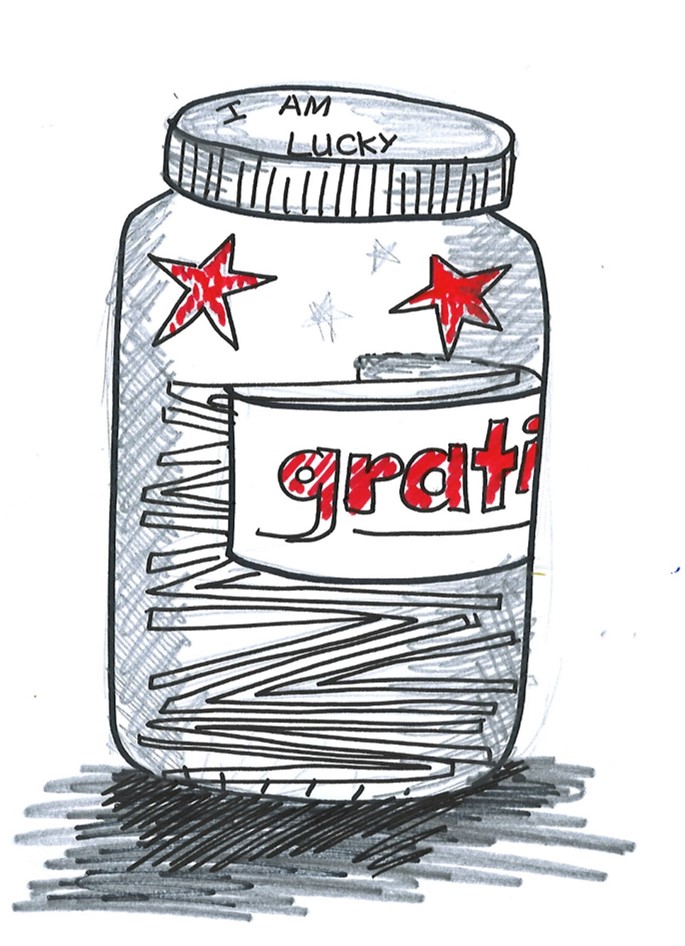

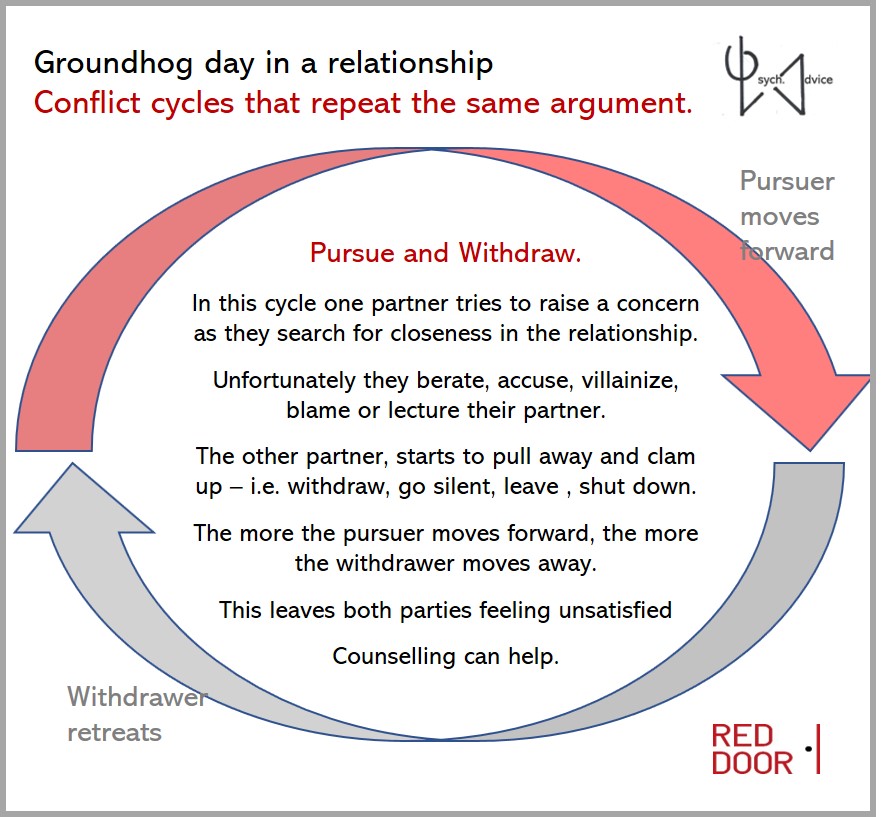
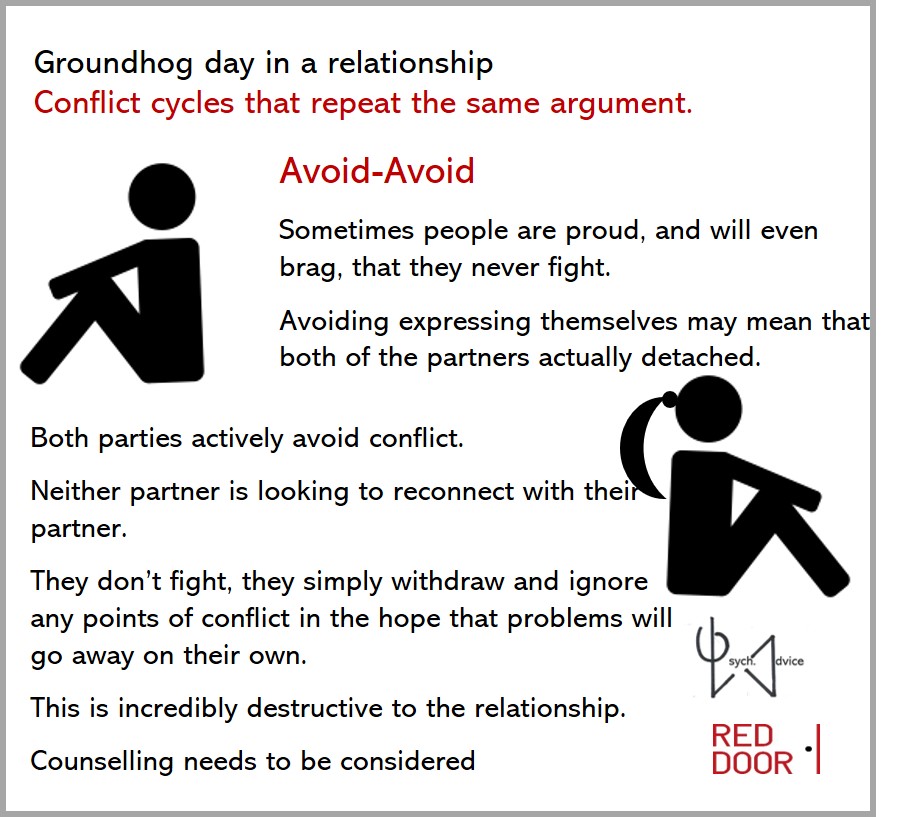
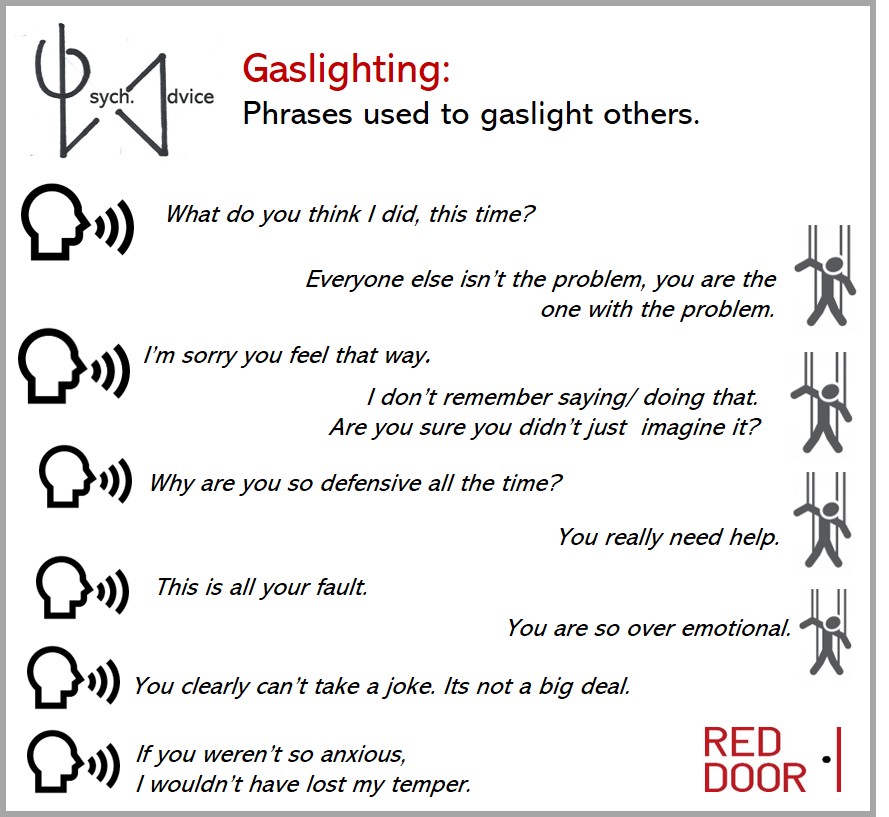

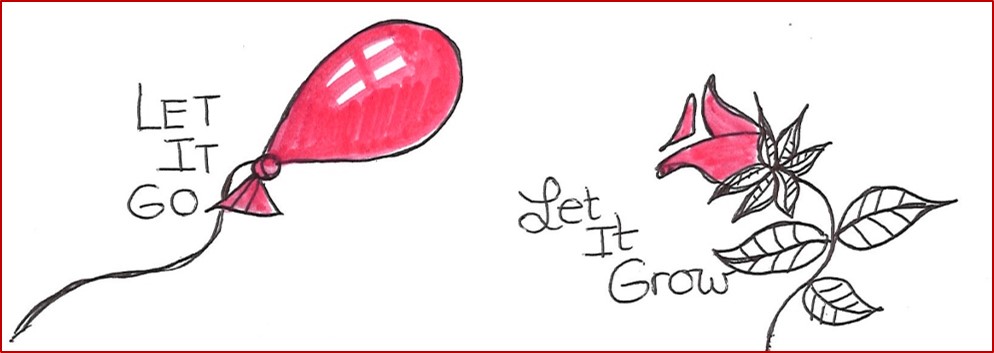

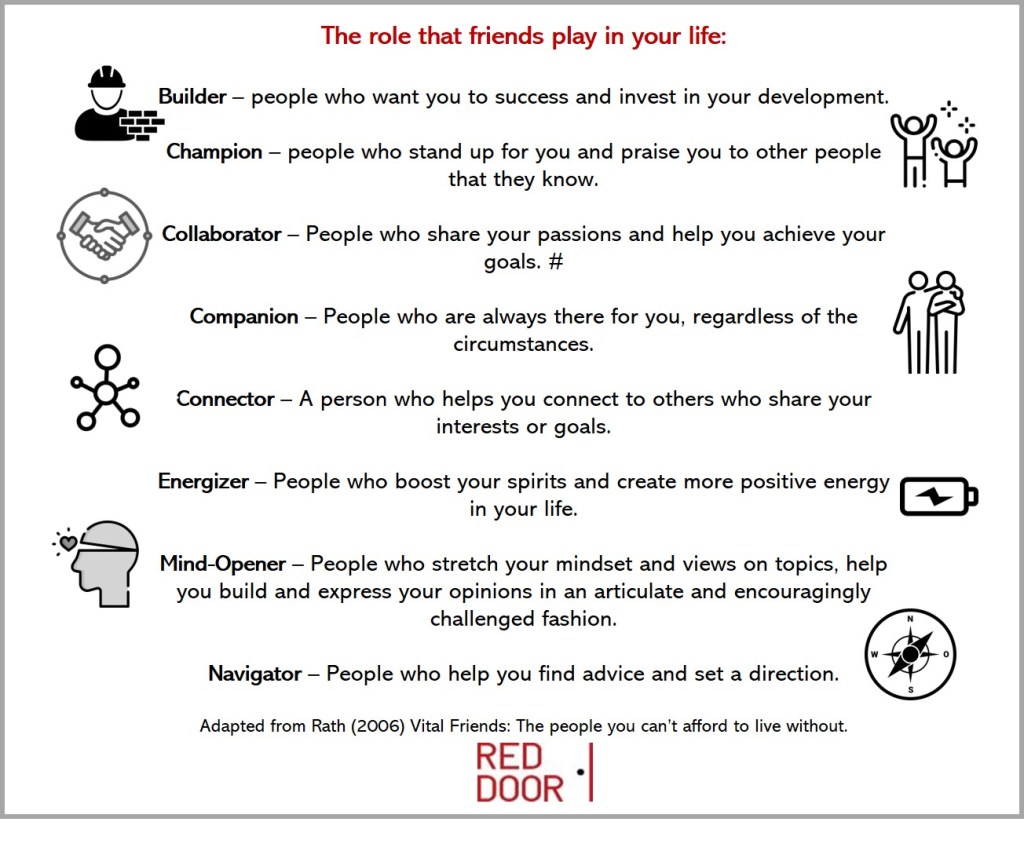

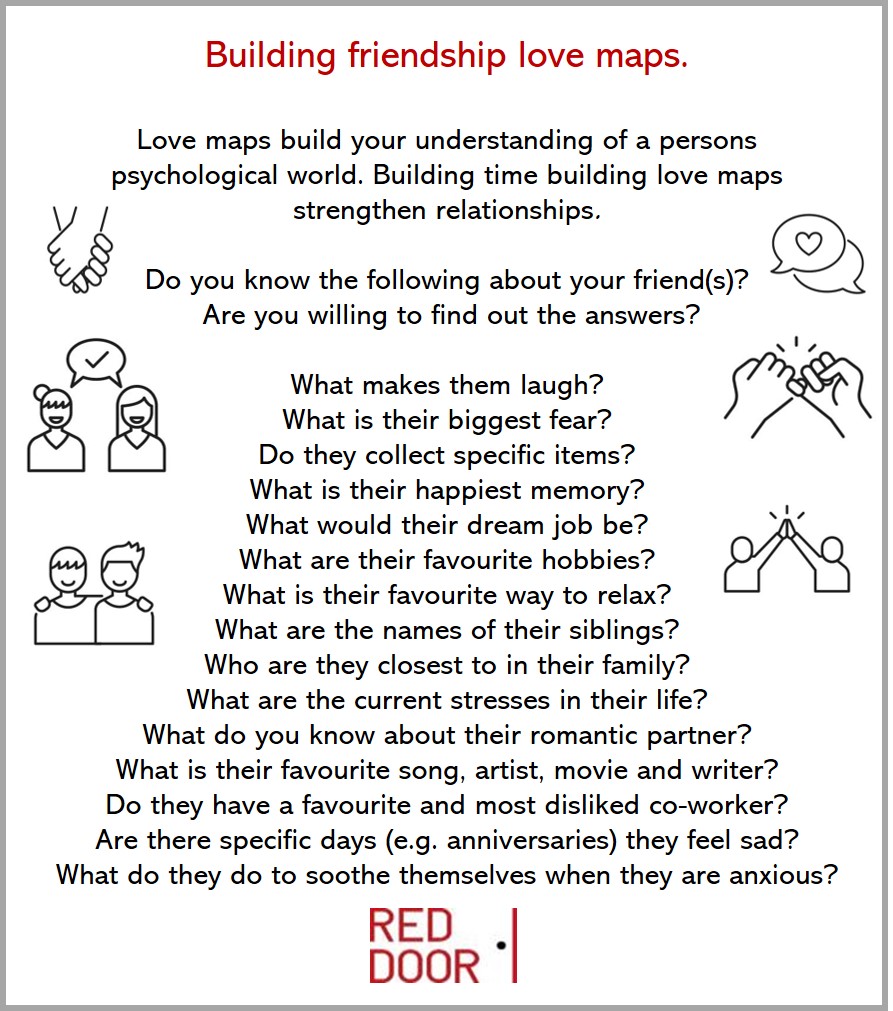
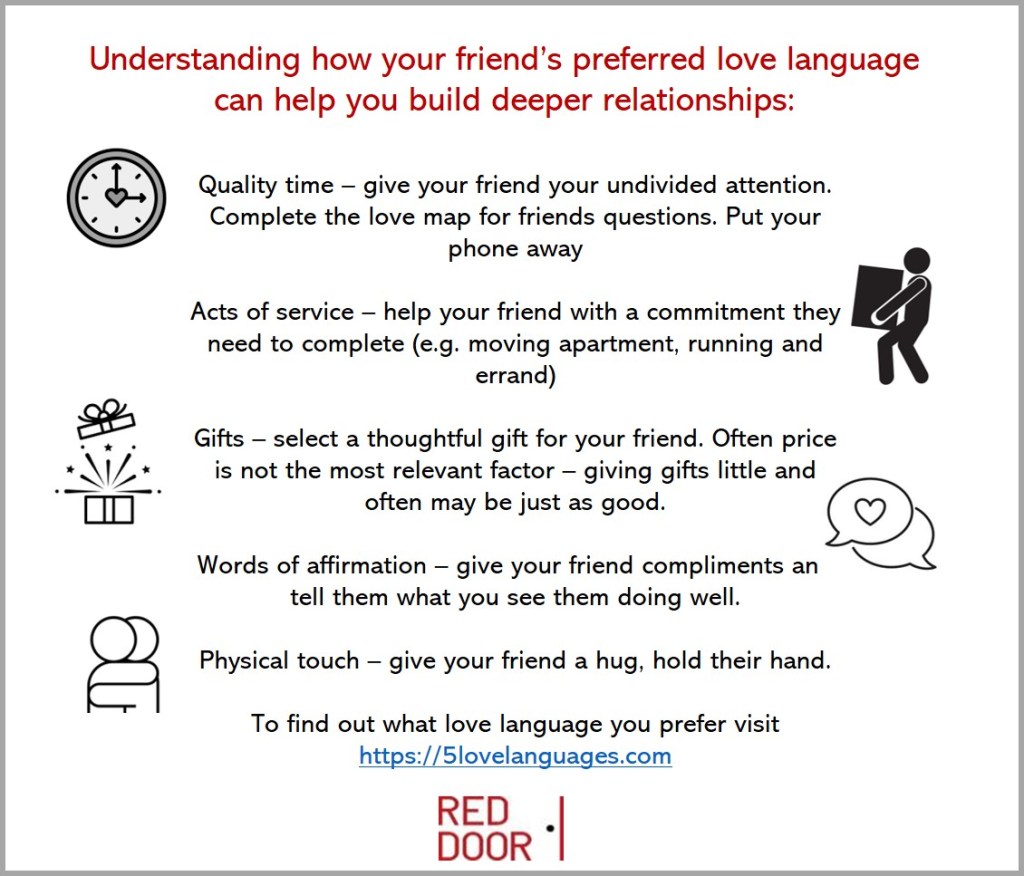
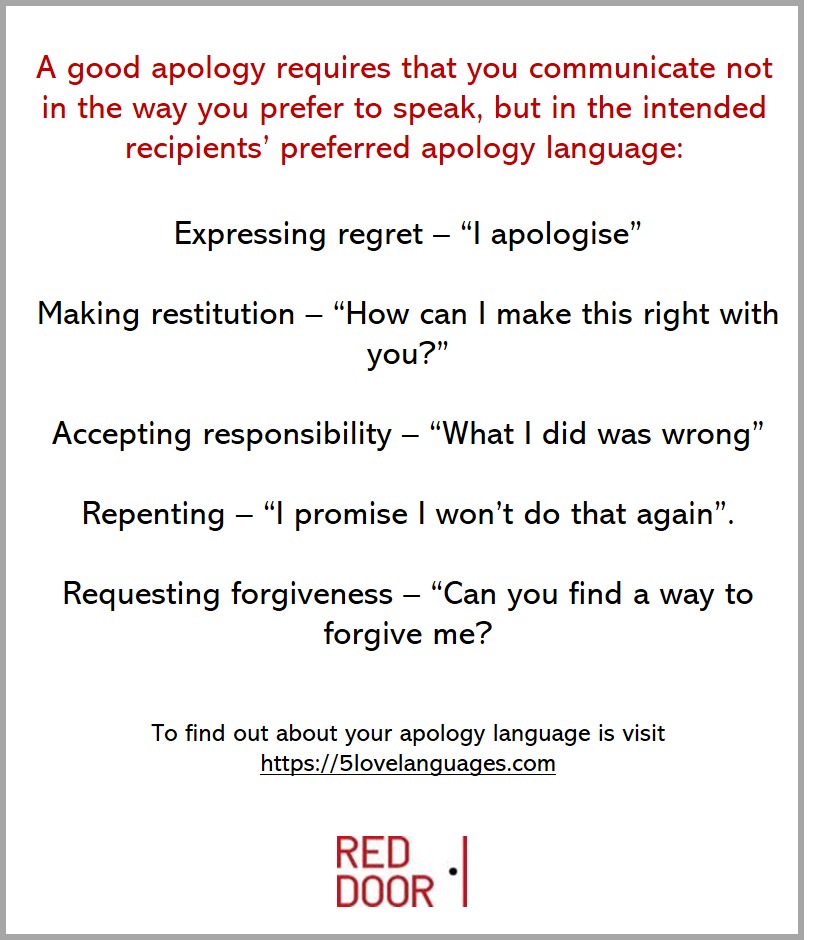
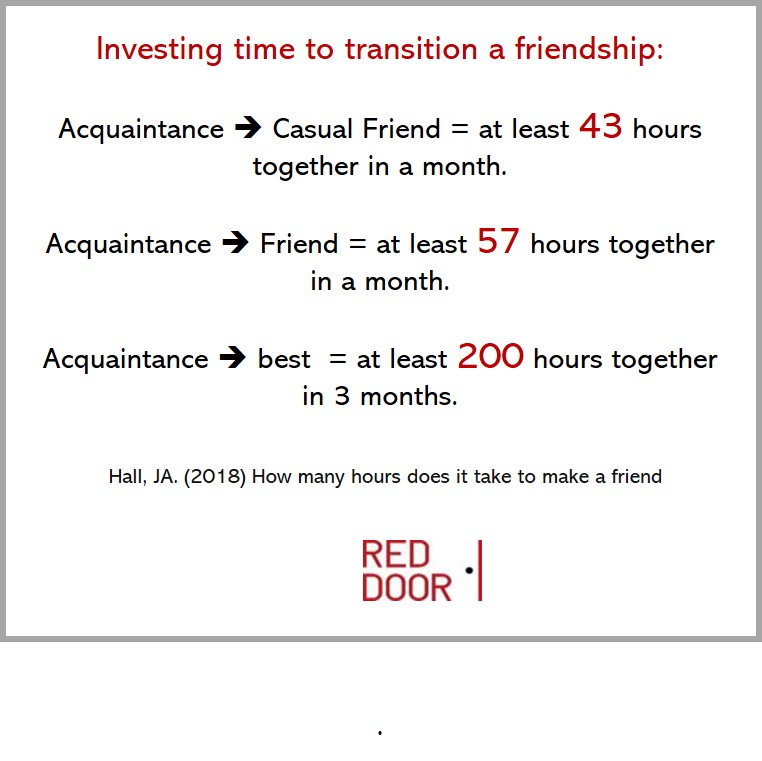

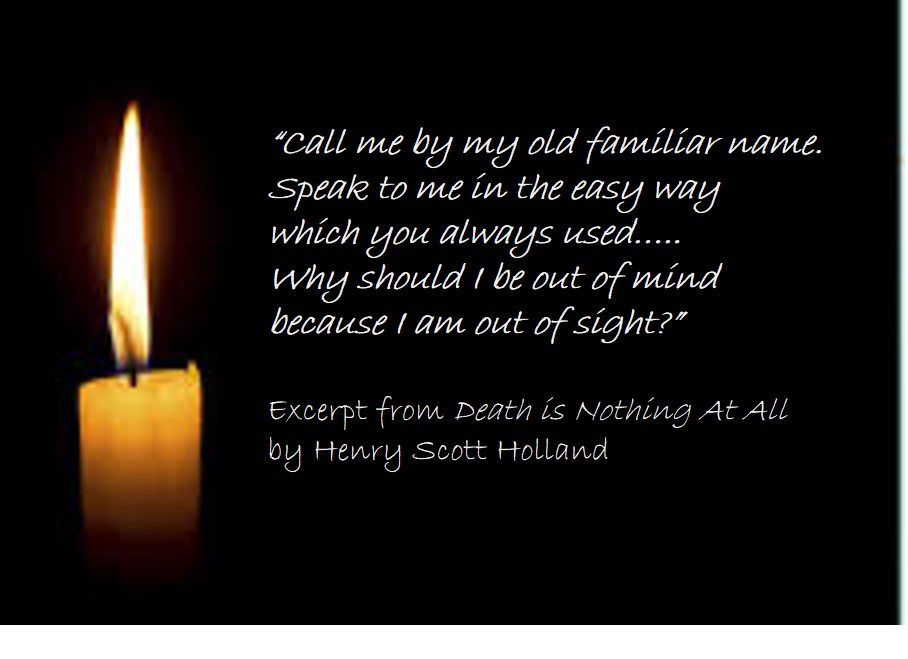

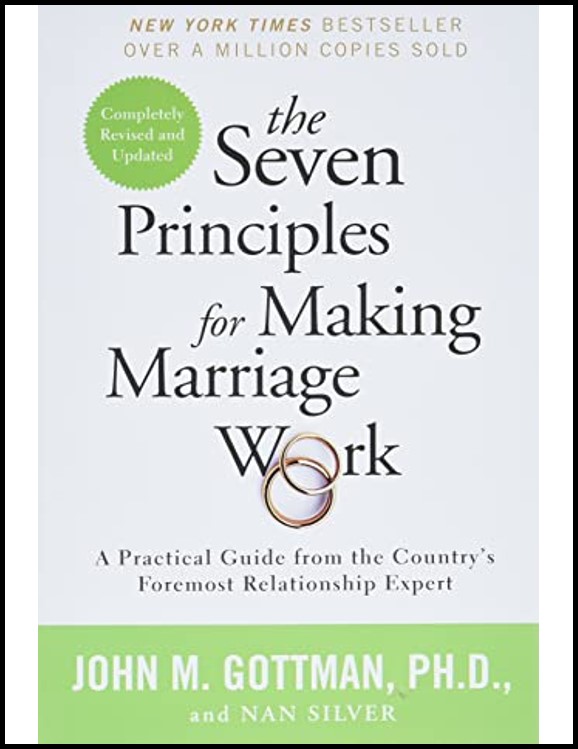

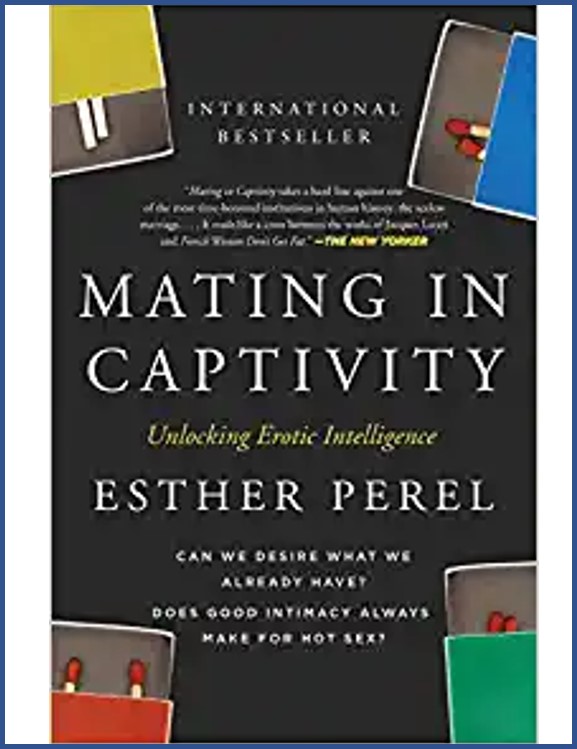




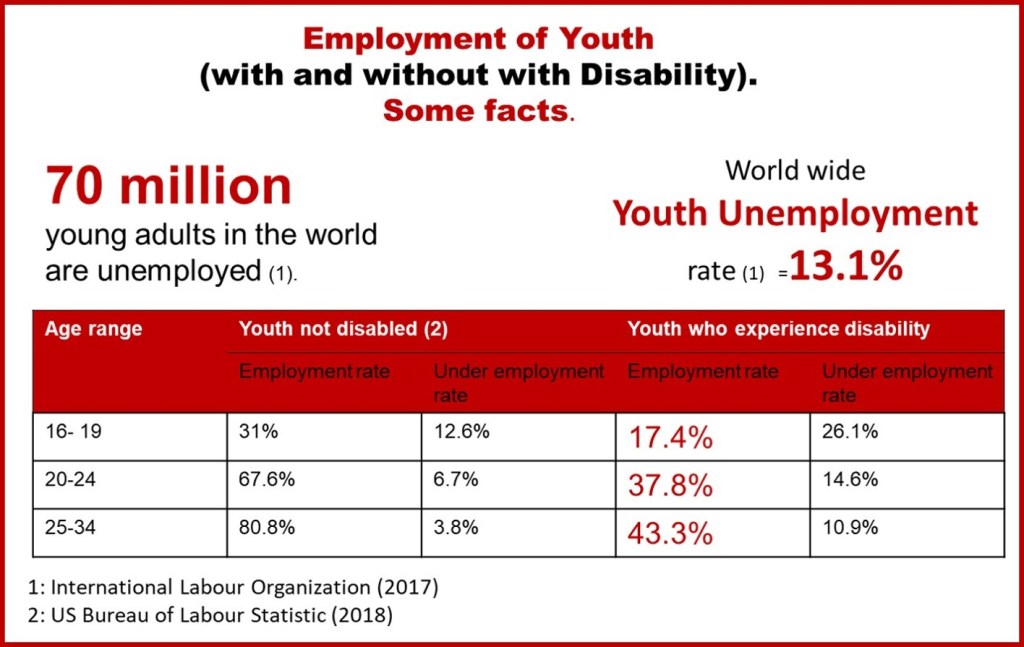

 Start your Red Door Journey