
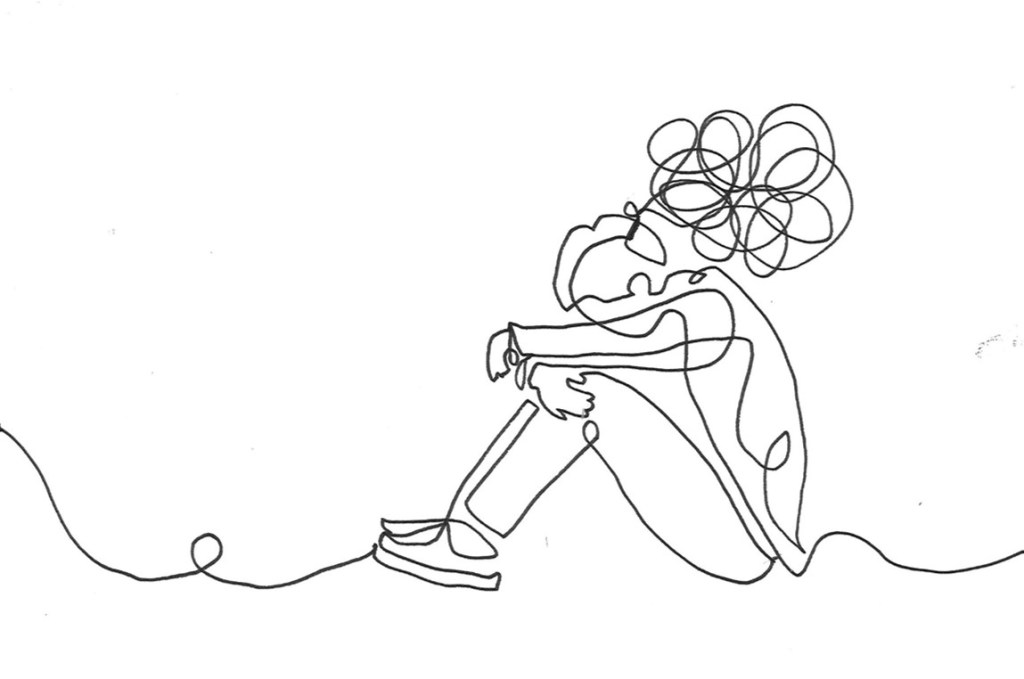
Rumination is a cognitive process that involves repeatedly focusing on the causes, consequences, and symptoms of distressing thoughts and feelings. While it is a common response to stress and adversity, excessive rumination can exacerbate mental health issues, including anxiety and depression. Understanding this phenomenon is crucial for breaking the cycle of rumination and promoting emotional well-being.
What is Rumination?
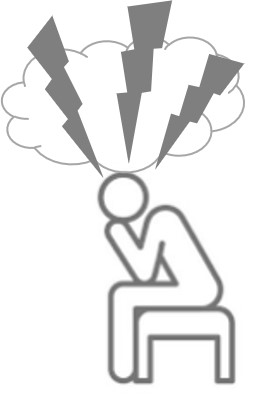
Rumination is defined as “a persistent focus on symptoms of distress and the implications of those symptoms” (Nolen-Hoeksema, 1991). It can be seen as a maladaptive coping mechanism, where you engage in repetitive thinking about problems without moving toward solutions. This cognitive pattern not only prolongs feelings of sadness but also leads to further emotional difficulties.
Research by Roelofs et al. (2009) highlights that rumination is linked to the onset and maintenance of various mood disorders. Their findings indicate that when you ruminate about negative emotions, you are more likely to experience prolonged depressive episodes. Suppressing emotions while continuing to ruminate creates a vicious cycle that heightens feelings of helplessness. Therefore, it is vital to break the cycle of rumination.
The Psychological Mechanisms Behind Rumination
Rumination is driven by several cognitive and emotional processes. It often stems from a desire to understand your thoughts and feelings better; however, this can paradoxically lead to intensified distress. Rumination occurs in two primary forms:
- Staying Stuck: This involves a passive focus on symptoms of distress, leading to feelings of hopelessness and exhaustion. If you don’t move away from rumination, it continues.
- Reflection: While reflection can be constructive and help you gain insight, it might become maladaptive when it transforms into procrastination or self-criticism. When your inner critic dominates, overriding your inner champion, you are likely to stay stuck, criticising yourself further.
Research by Nolen-Hoeksema et al. (2008) indicates that brooding is particularly associated with negative outcomes, such as increased depression severity and lower levels of psychological well-being.

Breaking the Rumination Cycle
Although rumination can feel inescapable, several evidence-based strategies can help you break this cycle:
- Cognitive-Behavioural Therapy (CBT): CBT focuses on identifying and challenging negative thought patterns. By reframing maladaptive thoughts and beliefs, you can reduce the intensity of ruminative thinking. Studies, including one by Hofmann et al. (2012), demonstrate CBT’s effectiveness in treating anxiety and depression by reducing rumination.
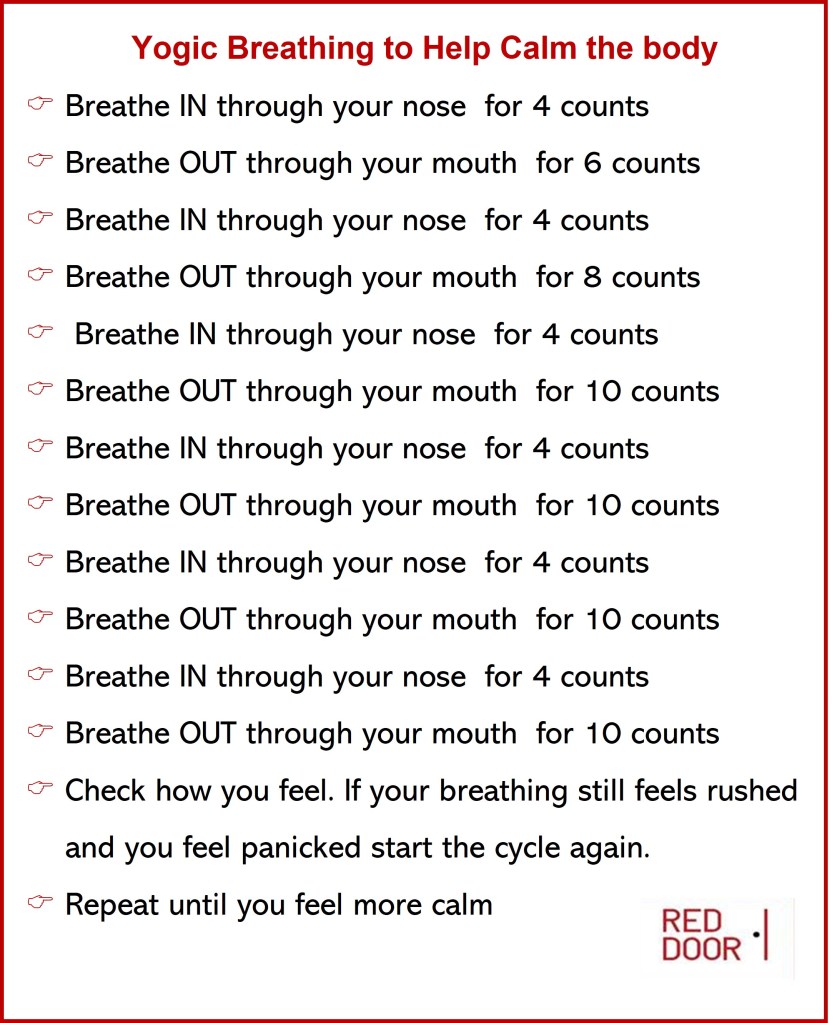
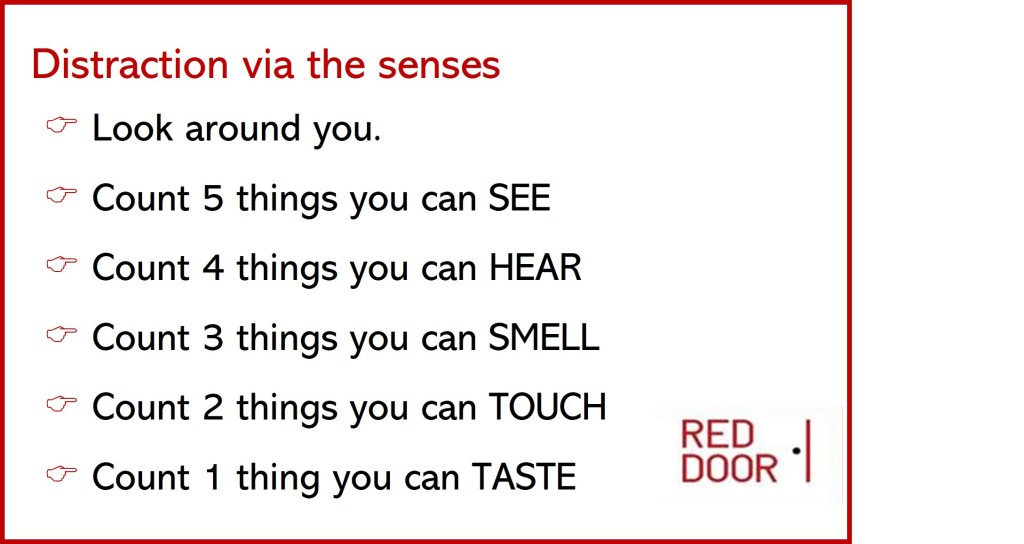
- Mindfulness-Based Interventions: Mindfulness encourages you to focus on the present moment, effectively reducing the tendency to ruminate. Research shows that mindfulness practices can decrease rumination and enhance emotional regulation (Keng, Smoski, & Robins, 2011). Techniques such as meditation or mindful breathing help you gain awareness of your thoughts without becoming entangled in them.
- Activity Scheduling: Engaging in meaningful activities can shift your focus away from ruminative thoughts. Researchers have found that scheduling enjoyable activities increases positive mood and decreases rumination (Teasdale et al., 2002). Creating a list of activities that bring you joy can be a practical step in breaking the cycle.
- Thought Logs: Using a thought log allows for cognitive restructuring. Research by Beck et al. (1979) emphasises the importance of identifying automatic thoughts through this practice. By recording negative thoughts and the situations that trigger them, you can better recognise cognitive distortions and construct rebuttals to help stop the power of the original rumination.
- Journalling: Writing about your thoughts and feelings can serve as a healthy outlet for processing emotions. Expressive writing has been found to reduce rumination and promote emotional clarity (Pennebaker & Chung, 2011). Maintaining a journal can help you articulate your thoughts and explore your feelings in a structured manner. Sometimes, a therapist will encourage you to respond to prompts to direct your thinking in specific ways.
- Self-Compassion: Neff (2003) introduced the concept of self-compassion as a counter to the harsh inner critic. Research has shown that self-compassion practices can reduce negative self-judgment and increase emotional resilience. Neff’s studies indicate that developing self-compassionate responses instead of critical self-talk leads to lower levels of anxiety and depression.
- Social Connectivity: Connecting with others can diminish feelings of isolation and provide different perspectives on distressing thoughts. A study by Rook (1984) showed that social support significantly reduces the likelihood of rumination. Reach out to friends, family, or support groups to facilitate this process.
Breaking the cycle of rumination is essential for improving mental health and emotional well-being. By employing evidence-based strategies such as cognitive-behavioural techniques, activity scheduling, mindfulness interventions, social support, journalling, and self-compassion, you can develop healthier cognitive patterns. As you recognise the destructive nature of rumination, equip yourself with effective tools to foster resilience and promote mental wellness.
References
- Beck, A. T., Rush, A. J., Shaw, B. F., & Emery, G. (1979). Cognitive Therapy of Depression. New York: Guilford Press.
- Hofmann, S. G., Asnaani, A., Vonk, I. J. J., Sawyer, A. T., & Fang, A. (2012). The Efficacy of Cognitive Behavioral Therapy: A Meta-Analysis. Cognitive Therapy and Research, 36(5), 427–440.
- Keng, S. L., Smoski, M. J., & Robins, C. J. (2011). Effects of mindfulness on psychological health: A review of empirical studies. Clinical Psychology Review, 31(6), 1041–1056.
- Nolen-Hoeksema, S. (1991). Responses to Depression: An Elaborated Process Model. Psychological Bulletin, 109(3), 500–503.
- Nolen-Hoeksema, S., Wisco, B. E., & Lyubomirsky, S. (2008). Rethinking Rumination. Perspectives on Psychological Science, 3(5), 400–424.
- Pennebaker, J. W., & Chung, C. K. (2011). Expressive writing: Connections to mental and physical health. In The Oxford Handbook of Health Psychology (pp. 417–437).
- Rook, K. S. (1984). Situations of social isolation and the well-being of older adults. The Journal of Gerontology, 39(2), 166–175.
- Roelofs, J., Huibers, M. J. H., & van der Wee, N. J. A. (2009). The relationship between rumination and depression: A longitudinal study. Psychological Medicine, 39(1), 27–35.
- Teasdale, J. D., Moore, R. G., Hayhurst, H., & Tixier, M. (2002). Forming a new cognitive style: A model of cognitive therapy. Behaviour Research and Therapy, 40(9), 1043–1057.




 Start your Red Door Journey