
Feeling stressed at work from time to time is a normal experience throughout our working career. Experiencing some stress is useful in building our capacity to deal with challenges, learn new skills, improve resilience, and solve problems. Indeed, without some element of healthy stress, we risk becoming demotivated and disengaged in our job responsibilities. However, experiencing work-stress that is severe and over a long period of time can drastically overwhelm our ability to cope and lead to burnout.
Burnout is a state of emotional and physical exhaustion. It is a harmful and serious condition caused by the body’s response to prolonged chronic stressors in the workplace. Globally, burnout cases continue to rise with debilitating and far-reaching impacts felt by companies and governments, as well as individual sufferers, their families, friends and work colleagues.
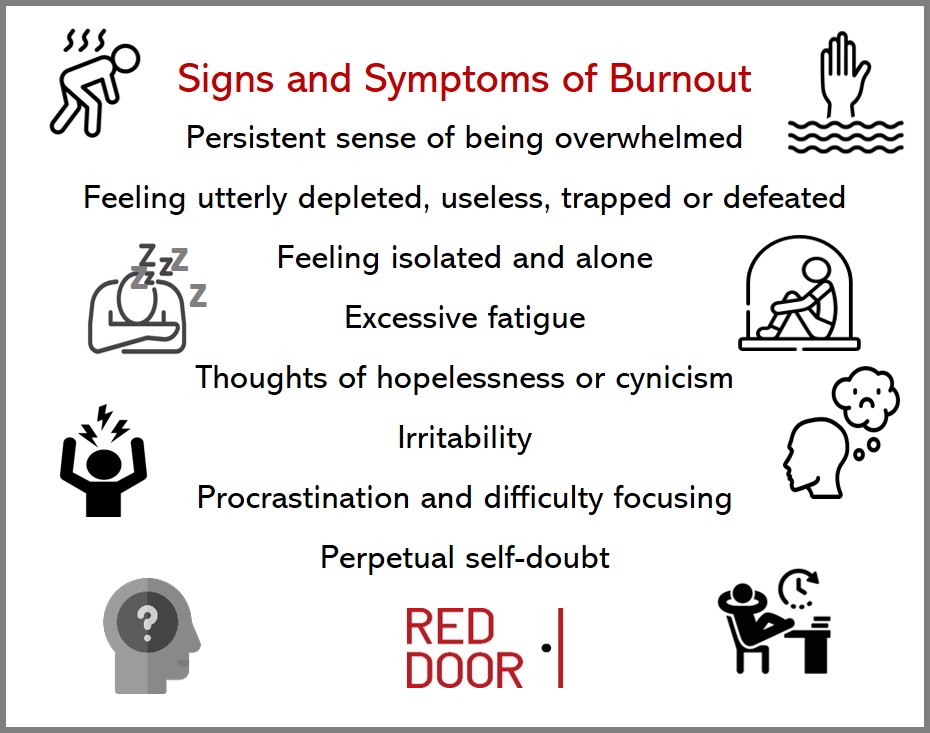
Some of these signs and symptoms can include the following:
- Persistent sense of being overwhelmed
- Feeling utterly depleted, useless, trapped or defeated
- Feeling isolated and alone
- Excessive fatigue
- Thoughts of hopelessness or cynicism
- Irritability
- Procrastination, difficulty focusing and taking longer to complete tasks
- Perpetual self-doubt
Burnout is impossible to simply ‘snap out’ of. As a condition that develops over a period of prolonged exposure to workplace stress, sufferers need time and support to embark on the road to recovery – from recognising the problem, addressing issues, developing healthy coping strategies, building resilience in order to recover and get back on track.
Companies play an important role in avoiding burnout risk by building healthy workplaces and cultures, with well-designed jobs and structures to match employees’ needs, but where gaps emerge, individuals can benefit from understanding and managing resilience against stress.
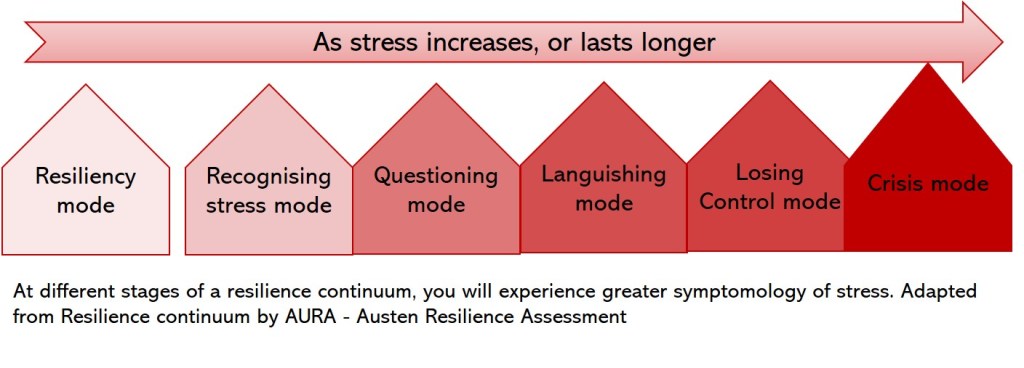
If you or are tracking low on the resilience continuum and experiencing burnout, what treatments are available? Treatments can include talk therapy and medical interventions, often including anti-anxiety or anti-depressant medications, but there needs to also be change in workplace structures, job-design, or culture that caused the source of stress. There is no “one-size-fits-all” plan for treatment. It may take some trial and error to find the treatment that works best.
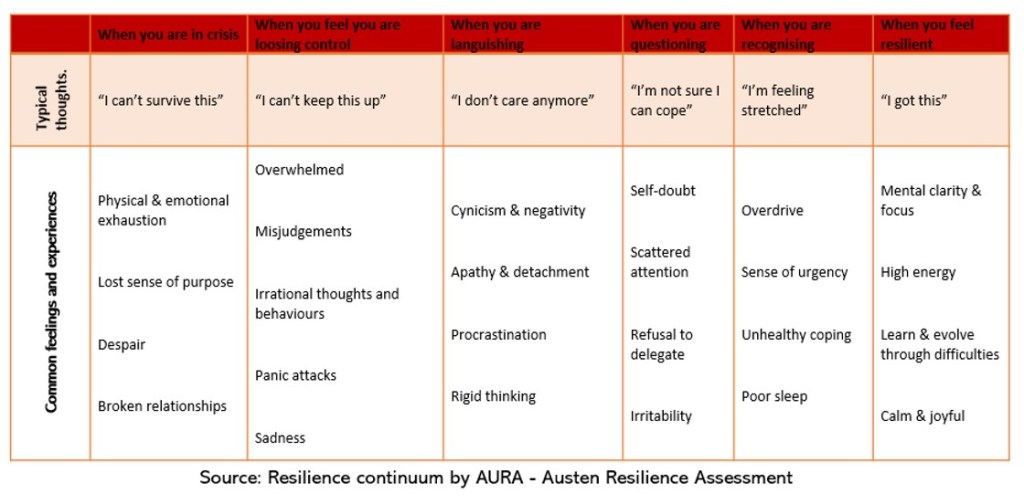
How do you cope if you are experience burnout?
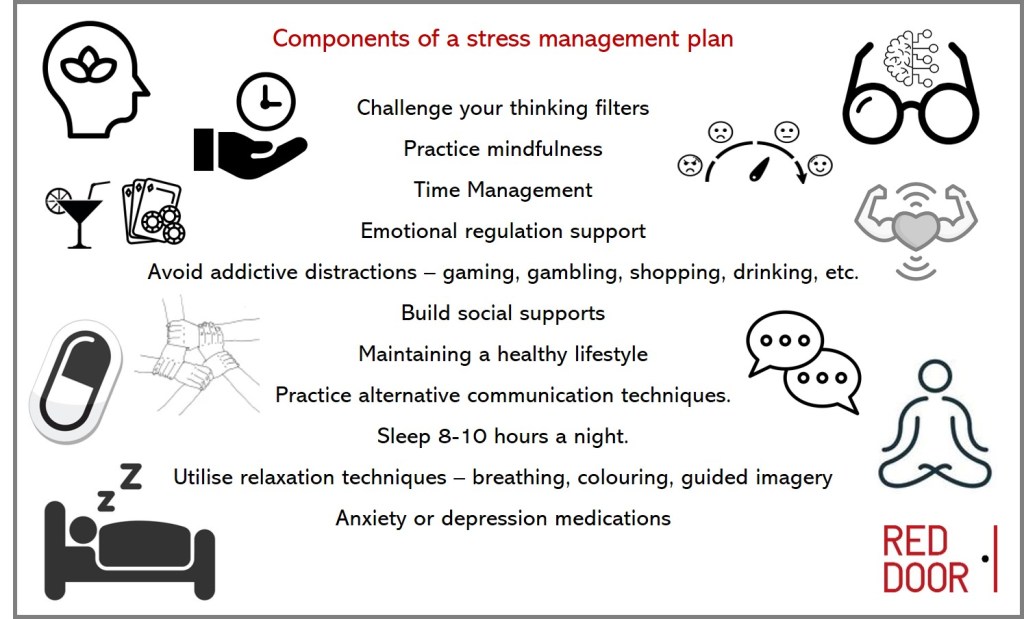
Burnout is caused by the persistent experience of stress without being able to cope. Implementing stress management techniques will be of help to treat your burnout. Common aspects of a stress management plan include the following.
Challenging your thinking filters
Whilst some work experiences invariably include some toxic practices and/or people, sometimes our experience of stress is created by our personal perceptions of a situation. For example, if you hold onto black and white thinking you will be prone to judge yourself and others more in stressful situations. If you tend to filter information and feedback you may feel, unjustly, negatively about yourself when mistakes occur. For a full assessment of your thinking filters read our RED DOOR blog on this topic.
Practice mindfulness
Mindfulness helps to develop greater personal awareness. Its practice teaches individuals to be more aware of their thought processes and reactions in the present moment. So instead of racing ahead in a negative thought cycle a person is more likely to be able to think in a more removed manner, noticing patterns in their reactions and being able to view situations in terms of their typical reactions and the potential costs and benefits of those reactions in the past. This ‘mindful overview” promotes understanding of being in charge of one own emotions and behaviours. To find out more about mindfulness see one of our blogs on this topic, attached below.
Time management
The perception that we do not have enough time to do the work we have to do, creates stress. The art of managing the activities, priorities and sequencing of events in our lives can be taught. If you feel that you are not utilizing your time as well as you could, consider reading books on this topic or talking to a performance coach to help you better set your priorities.
Emotional regulation and support
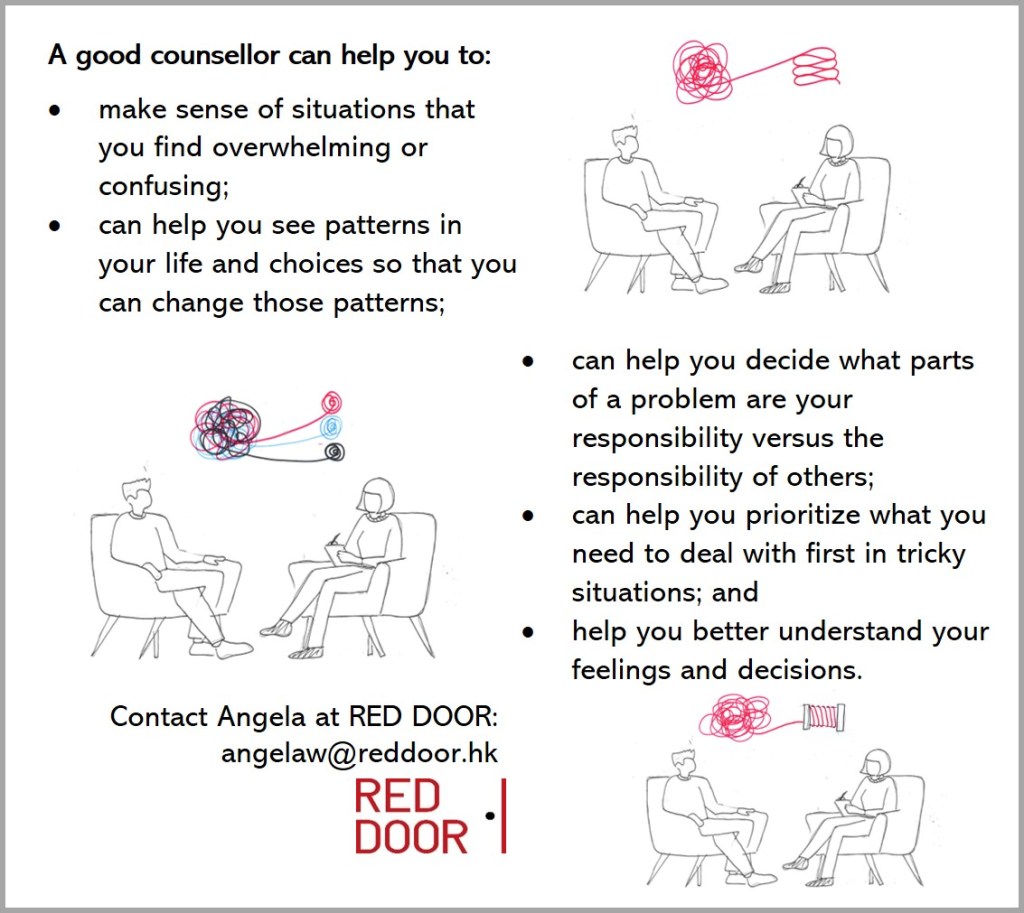
If you are feeling overwhelmed and emotional you need to consider how you can better regulate volatile or oppressive emotions. The best way to do this is to talk to someone about how you are feeling. The more experienced and qualified that person is to help you disseminate your emotions the better. Consider counselling. A good counsellor can help you process some of your emotional experiences, understand your responsibilities and build resilience to deal with challenging circumstances.
Avoid addictive distractions
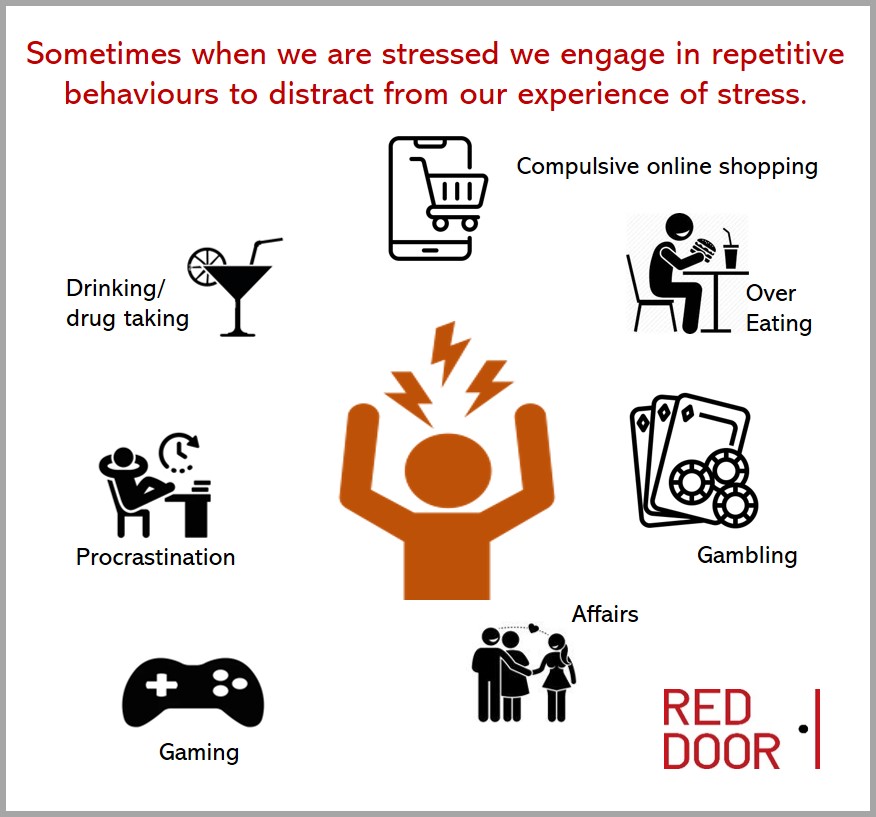
When we are stressed, we may become prone to self-medicating or distracting ourselves from our stress. Occasionally those distractions can actually maintain our experience of stress, or create new stresses for us to have to deal with. For example, alcohol is well recognized as a depressant. Paradoxically people often engage in drinking, to excess, to numb their stress. However over time alcohol robs us of our ability to produce dopamine efficiently, making us depressed.
Time distractions such a gambling and gaming can become problems because they create new problems such a financial problems or cutting us off from face to face social time with friends and family, which may help us mediate our experience of stress.
Build social support
Social supports – friends and family help us navigate tough times. In our RED DOOR research of the experience of stress among lawyers in Hong Kong, many of our senior lawyers managed their stress by talking to friends or family. The quality of these relationships is important. Do you have the quantity or quality of friends that you need. Recent (2022/2023) observations in our clinic highlighted that people in Hong Kong may benefit from building new friendships. As adults we sometimes are unsure how to build new friends. If this describes your experience then, consider reading our blog on this topic.
Maintain a healthy lifestyle – including sleep.
When we are stressed we often call into behaviours that compromise our health status. When we are under pressure these healthy behaviours protect us. Maintaining an exercise regime, eating well, and sleeping well (at least 8-10 hours) will help your body deal with stress hormones, and allow you to heal after the pressure has lifted.
Communication patterns
Poor communication can place a lot of pressure on your and those that you need to communicate with. When communication is unclear you can end up guessing what another person wants from you (perhaps incorrectly). It is difficult to work in organisations that tolerate vague or inauthentic communications. What can you do?
Learn to communicate effectively and assertively. There are many books on this topic that you could explore. Assertive communication involves being confident (not aggressive) in your messaging, acting rationally as an adult, being respectful to others in the communication and being clear about what you can, and cannot do. There are a number of Instagram accounts celebrating understanding corporate culture and how to express yourself effectively. Checkout @loewhaley to gain some insights.
Ultilise relaxation techniques
A range of relaxation techniques can help lower your experience of stress. You can use apps such a calm to find guided relaxation exercises, or go to a yoga class. You can also consider incorporating 15 minutes of colouring into your daily routine to reduce some of your experience of stress. Remember this practice needs to be regular, even daily, to help.
Consider anti-anxiety or anti-depressant medications
Many clients are hesitant to take up medications for treatment due to concerns about becoming dependent, potential negative side-effects, and stigma. It is not an easy decision to undertake. Talk to your GP about these medications to see if you can explore some of these fears. If you have tried behavioural and psychological approaches with no success, you might need to consider medications to start help reduce your experience of stress just enough that those behavioural or psychological techniques can start to gain traction.
Burnout is no joke. If you find yourself completely exhausted it is time for a change, and the most effective type of change is going to involve exploring your responses to and relationship with stress. You can feel better.
About the author: Angela Watkins is the head counsellor at RED DOOR Counselling. She offers individual counselling to adults, including those working through workplace topics such as conflict resolution, moving from good to great, burnout, and career change contemplation.
 Start your Red Door Journey