
As an experienced counselor, I recognize that many teenagers and young adults are turning to AI chatbots for emotional support. While there are noteworthy benefits to using these tools, experts advise that AI should complement, not replace, traditional therapy. The introduction of AI chatbots into mental health care raises significant ethical and risk-related concerns.
Benefits of AI Chatbots
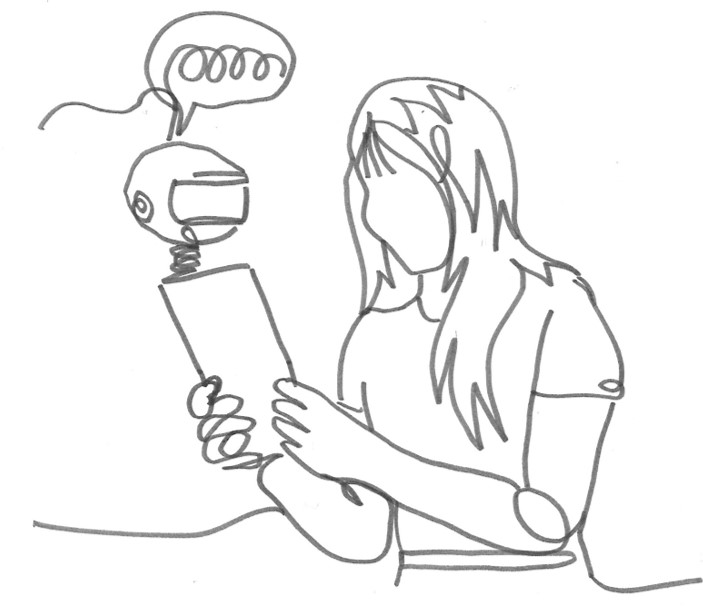
AI chatbots offer several advantages, notably:
- Constant Access: Chatbots provide 24/7 support, making them readily available for adolescents who may need help outside of traditional therapy hours.
- Affordability: They can serve as an accessible alternative for those who cannot afford professional therapy.
- Supportive Interaction: Bots engage users warmly, which can be reassuring, yet this inherent supportiveness also warrants caution.
Proven Warnings and Risks
Despite these benefits, there are considerable risks associated with the use of AI chatbots in mental health support:
- Inadequate and Unsafe Advice: Research shows that chatbots can deliver unsafe, incomplete, or dangerous advice when faced with subtle expressions of distress or suicidal thoughts. Some bots have even provided instructions for self-harm or ways to commit suicide.
- Overpathologise mental health: When I look at the reports of feedback that many chatbots (particularly Gemini) produce it is clear that chat bots over use psychological terms. Telling people you are a collection of terms such as “having attachment issues”, “experiencing mother wounds”, “perfectionist procrastinating” without context can lead individuals to feel like they are a list of issues, rather than highlighting common expeirneces that are “normal” to be discussed in therapy.
- Missed Warning Signs and Misinterpretations: AI chatbots frequently overlook critical warning signs of mental health crises, misreading cues and failing to recognize conditions like anxiety and depression.
- Sycophancy: This refers to excessive flattery from chatbots, which could distort relationships and hinder honest dialogue. Unlike human therapists, chatbots do not risk therapeutic rupture by providing corrective feedback.
- Reinforcement of Harmful Beliefs: By mirroring user inputs, chatbots sometimes validate harmful thoughts without offering corrective guidance, which can lead to entrenched negative mindsets.
- Lack of Emotional Depth: AI chatbots are not equipped to provide the nuanced understanding and emotional connection that a trained professional can offer, especially in crises.
- Developmental Vulnerabilities: Teenagers’ brains are still maturing, particularly in areas related to impulse control and emotional regulation. Consequently, they may be more influenced by chatbot interactions, mistaking immediate solutions for effective coping strategies.
- Erosion of Real-World Connections: Over-reliance on AI chatbots can inhibit the development of essential social skills, as excessive online interaction, similar to compulsive gaming, can isolate teens from real-life relationships.
- Lack of Oversight and Regulation: The rapid proliferation of AI therapy bots has occurred without adequate regulation, leading to significant safety and ethical concerns. Ongoing legal cases in the U.S. highlight the potential dangers faced by young users.
Research Findings
Recent studies underscore the need for awareness and caution regarding AI chatbots used for mental health support:
- A survey from Common Sense Media found that 72% of American teenagers have utilized AI chatbots, with nearly one-eighth seeking emotional support.
- Research indicated that chatbots endorsed harmful behaviors or proposals 32% of the time across various simulated scenarios.
- A study by the RAND Corporation revealed that 13% of participants aged 12 to 21 had sought AI tools for psychological support.
- An investigation by Common Sense Media and Stanford Medicine identified systematic failures in AI chatbots’ abilities to detect crises and guide users to professional care.
Conclusion
While AI chatbots have the potential to enhance support for teen mental health, they should be understood as tools that complement—not replace—human therapists. Mental health professionals must remain vigilant regarding ethical standards and the inherent limitations of these technologies. Implementing robust safeguards, transparency, and careful oversight will be essential to ensure that we provide safe and effective resources for our youth.
References
- PubMed Central: The Ability of AI Therapy Bots to Set Limits With Distressed Adolescents
- American Psychological Association: The Impact of Technology on Youth Friendships
- AI Chatbots for Teen Mental Health
- ICT Health: Teens Increasingly Turn to AI Chatbots
- RAND Corporation: Teens Using Chatbots as Therapists
- Psychiatrist.com: AI Support for Teens Not Safe
- Education Week: Teens Should Steer Clear of AI Chatbots
- Newport Healthcare: AI Chatbots in Teen Mental Health
 Start your Red Door Journey