We’re about to embark on Pride month – thirty days to celebrate and commemorate Lesbian, Gay, Bisexual, Transgender and Queer (LGBTQ+) people, to recognise the impact LGBTQ+ people have had on history and culture, and to acknowledge the past and ongoing adversity the community faces.
Ok, I get it, let’s celebrate!
But why is this important and what does it have to do with mental health?
Well, consider this – 83% of LBGTQ+ people still hide their sexual orientation.[1]
Yes, societal attitudes towards sexual minorities have improved in the last few decades, and yes, LGBTQ+ visibility and rights have made progress. However, studies show that LGBTQ+ individuals, and especially LGBTQ+ youth, still face disproportionate mental health burdens with significantly higher rates of depression, anxiety, and suicidality. This isn’t because these individuals are inherently prone to poor mental health, but because LGBTQ+ people tend to have lower rates of self-acceptance and experience the effects of minority stress.
Minority stress is the chronic social stress that LGBTQ+ people are exposed to day-in-day-out, ranging from prejudice to negative stereotyping, hostility, harassment, rejection, limited rights from laws and policies, stigma, internalised homophobia – the list is long.
All these micro-aggressions mean something, they build and chip away at our self-esteem, our wellbeing, and positive development. This societal stigma, discrimination, and rejection from family and friends contributes to lower rates of self-acceptance amongst LGBTQ+ people, and in turn leads to higher rates of depression, anxiety, suicidality, and substance abuse in the community.
The Rainbow Reality
With these societal challenges, it’s not surprising that the vast majority of LGBTQ+ people are still hiding. However, living a hidden life and concealing one’s true identity is significantly associated with depression and negative psychological wellbeing.
So how do we reconcile with our identity and overcome the shame? How do we manage the stress of living in a society that often doesn’t accept or validate our identities, as well as the trauma of discrimination, bullying, harassment, and violence, plus the potential lack of support and acceptance from family and peers?
Where to Begin?
Changing societal norms is hard, although so many people are doing incredible work to improve equality. Putting this aside, we are able to create change within ourselves and we are in control of the way we understand and respond to our world.
The challenges that LGBTQ+ people face can lead to feelings of isolation, discrimination, rejection, shame, and low self-esteem. Exploring these thoughts and feelings about your identity can be difficult and uncomfortable. That’s where counselling can help, providing a safe space to do the hard work, with empathy and encouragement.
A counsellor can help you challenge your negative thoughts about your sexuality and instead engage in affirmation of your identity, visibility, and validation of your experiences. Evidence-based approaches such as cognitive-behavioural therapy (CBT) can help shift problematic thought patterns, and teach coping skills or alternative ways to think, behave, and react to situations and experiences.
The Road to Self-Acceptance
Regardless of sexual identity, mental wellbeing improves when we feel respected, valued and psychologically safe. Self-acceptance is the act of acknowledging who you are, in all your fabulous and flawed glory. It is an essential part of living a fulfilling life.
Sadly, research shows lower rates of self-acceptance among LGBTQ+ people. Importantly, low self-esteem is unlikely to blame for this lower rate of self-acceptance among LGBTQ+ people. Instead, the adverse opinions, prejudice, and victimization that many LGBTQ+ people face is what poses significant obstacles to self-acceptance.
It’s challenging to avoid internalizing negative society attitudes and ideas when constantly exposed to negative messaging about queer identity. These internalized messages have the potential to lead to increasing self-criticism and negative self-perceptions over time. Our individual lack of self-acceptance is ultimately caused by this social lack of acceptance.
But where to start?
Learn about the LGBTQ+ community, its history, and the challenges still being faced. There is culture and connection waiting for you. Validate and celebrate your identity and the diversity of the LGBTQ+ community. You belong here.
Connect with others and build a support system
You are not alone. Find your own LGBTQ+ community, whether through in-person support groups or online. Surround yourself with people who accept you and support you, whether it’s friends, family, or allies. Join in Pride events and affirm your identity.
Practice self-care and compassion
Be kind to yourself – we are always harder on ourselves and more generous with others. Take care of yourself physically and mentally. Eat well, sleep well, and engage in activities that bring you joy.
Challenge negative thoughts and your inner critic
When we hear things frequently, we start to believe them. Identify your inner critic – that little voice inside your head that tells you you’re not good enough – and tell it to shut up. Replace negative self-talk with positive affirmations. Try journaling to identify problem patterns, reflect, and express yourself authentically.
Identify your personal values and goals
Redefine yourself according to your own values. Embrace your authentic self and live your life in a way that feels true to you. Addressing self-blame and shame, affirming your own identity, and validating your experiences fosters self-acceptance and helps develop resilience against past, present, and future adversity.
Doing the hard work
Don’t kid yourself, none of this is easy. Finding self-acceptance and establishing a positive identity is difficult, but it is a vital source of resilience. Counselling provides a supportive and safe space to explore feelings, process emotions, and develop coping strategies. It can help LGBTQ+ people better understand their sexual orientation and gender identity, and work through experiences of discrimination or rejection. Finding your pride is much deeper than a month on the calendar, true self-acceptance is key to improving mental wellbeing and a happier, healthier life.
So if you or someone you know is struggling with mental health challenges related to their LGBTQ+ identity, consider reaching out to a counsellor for support.
About the author: This blog is written by Fiona Travers. Fiona works with adults, focusing on the following areas in her practice: LGBTQ+ challenges. Grief and bereavement. Fertility issues. Couples counselling.
Fiona is a part-time counsellor at RED DOOR who is currently on sabatical. Fiona’s counselling style is informed by two decades creating values and purpose-led brands in the corporate world. She is passionate about helping individuals build personal resilience and find their own sense of self in the world.
RED DOOR is committed to being a gender affirming and LGBTQ+ supporting practice. Contact the Red Door Reception to set up an appointment with one of our therapists contact reception@reddoor.hk or text 852-93785428.
My relationship with autism is both personal and professional. I earned my first master’s degree in developmental and educational psychology in the 1990s, and since then I’ve worked across psychology in educational, organisational, and practice settings. I first conducted research with autistic people in 1991 — little did I know then how much of my life would be dedicated to understanding autism.
In the early 2000s my professional interest became personal: our first child, Alex, was diagnosed with autism at 18 months. Even with my training and research experience, I felt like a novice — a parent desperate to help my child navigate a diagnosis that often felt intangible and unpredictable. I knew so much, and yet I felt I didn’t know enough.
Today I run a psychological practice focused on building positive mental health for both neurotypical and neurodivergent individuals. After 30 years of learning and working in this field, I want to share what I consider the best books first books on autism that a person can read. If you are just starting your journey to becoming knowledgeable about autism, I considered these the recommended reads. If I’ve missed a favourite of yours, please drop me a line — my contact details are at the end of this post.
Understanding autism -your first 6 reads.
The Nine Degrees of Autism (2021) — edited by Philip Wylie; series editors Wenn Lawson & Luke Beardon
The Nine Degrees of Autism presents an updated fresh and positive, developmental framework that maps nine distinct stages experienced by autistic people — from pre‑identification and early challenges through diagnosis, shifts in self‑image, and ultimately toward self‑acceptance and wellbeing. Each chapter focuses on one stage, combining expert analysis, personal perspectives and practical insight. The model is also applied to other “hidden” neurological differences (for example, dyslexia, dyspraxia and ADHD).
I consider this essential reading because this book: • Offers a strengths‑based, developmental lens. • Practical stage‑based framework for tailoring supports. • Combines expertise and lived experience. • Supports mental health and self‑understanding. • Applicable across settings and beyond autism.
In a Different Key (2016) — John Donvan and Caren Zucker
In a Different Key is a well‑researched narrative history of autism that blends investigative reporting with personal stories. It traces how autism was discovered, diagnosed and treated over the past century and follows families, researchers and advocates to show how medical practice, public policy and social attitudes shaped the lives of autistic people.
I consider this essential reading because this book:
• Provides historical context to distinguish enduring findings from past misconceptions. • Humanises autism through vivid personal accounts, building empathy and understanding. • Tackles major controversies (diagnostic shifts, institutionalisation, treatment practices and the neurodiversity movement) with balanced, nuanced reporting. • Synthesises scientific, social and policy threads in clear, accessible prose for non‑specialists. • Equips readers — families, educators, clinicians and policymakers — with the context and critical perspective needed to respond to autism more thoughtfully and respectfully.
NeuroTribes (2015) — Steve Silberman
NeuroTribes is a wide‑ranging history and cultural study of autism. Silberman traces the condition from early clinical observation through mid‑20th‑century institutional practices, the rise of diagnostic categories, and up to contemporary research and the neurodiversity movement. The book highlights overlooked figures, suppressed research and the social forces that shaped both scientific understanding and public attitudes toward autistic people.
I consider this essential reading because this book: • Deep historical context: uncovers the origins and evolution of autism knowledge. • Challenges myths and simplified narratives (for example, the “refrigerator mother” theory). • Introduces and popularises the neurodiversity framework. • Humanises autistic lives through profiles and personal stories. • Explores policy and care implications with accessible, well‑researched prose.
Uniquely Human (2015) — Barry M. Prizant
Uniquely Human argues that autism should be understood primarily as differences in behaviour and communication rather than a catalogue of deficits to be “fixed.” Drawing on decades of clinical experience and case examples, Prizant offers a compassionate, practical framework for supporting autistic people by identifying unmet needs behind behaviours and building on strengths and relationships.
I consider this essential reading because this book: • Shifts perspective from deficit to understanding. • Provides practical, humane strategies for caregivers, educators and clinicians. • Emphasises relationships, trust and dignity. • Accessible to non‑specialists and complements historical accounts with day‑to‑day approaches.
Different Not Less (2020) – Temple Grandin
As a psychologist, I consider Different, Not Less by Temple Grandin essential reading for anyone seeking to understand neurodiversity beyond diagnostic labels. Grandin’s collection of personal narratives from adults on the autism spectrum offers an authentic, strengths-based perspective often missing in clinical literature. Her emphasis on ability rather than deficit invites both clinicians and educators to reframe how they support autistic individuals, focusing on practical solutions and self-advocacy.
I consider this essential reading because this book:
The book bridges the gap between science and lived experience, reminding professionals that empathy and flexibility are pivotal in fostering growth.
Different, Not Less is not just inspirational—it’s an invaluable tool for developing a more inclusive and compassionate psychological practice
Empire of Normality (2023) — Robert Chapman
Empire of Normality examines how the idea of the “normal” mind emerged alongside capitalist social structures and how that notion has shaped attitudes toward neurodivergent people. Combining history, political theory and disability studies, Chapman links productivity‑driven capitalism to practices that medicalise, marginalise and discipline bodies and minds, and argues for systemic change toward neurodivergent liberation
Why I consider this an essential read. • Frames neurodiversity within political and historical contexts. • Challenges mainstream narratives about normality and productivity. • Connects personal experience to structural, collective change. • Valuable for activists, policymakers, educators and clinicians seeking justice‑focused approaches.
I hope you enjoyed my list of essential readings. If you have books you’d like to share for me to include in future reviews drop me a note at my email: AngelaW@reddoor.hk
No single book can help you completely recover from heartbreak. Each of these books may contribute a step in your learning journey: surviving divorce and becoming a new you, especially when used in collaboration with therapy.
Here is some advice from the trenches – Six of the best books are recommended, from the participants of our surviving divorce therapeutic support group, and myself, as their counsellor.
1.He’s history, you’re not. Erica Manfred
An honest guide to getting through the breakdown of a marriage without it costing you an arm and leg – financially and emotionally. This great book is written from first-hand experience. Recommended for women over 40 years old. hand experience good for women over 40 –especially those left by their partner.
2.Crazy time. Abigail Trafford
The break-up of a marriage heralds a year of break down inducing confusion. This book uses real life cases to describe the problems inherent in the marriage and challenges you’ll need to overcome. Recommended for anyone going through divorce.
3.You can heal your heart. Louise Hay and David Kessler.
Grief and loss experts blend affirmations and mindful observations to enable the reader to explore their soul and situation in order to grow and find solace. Recommended if you feel like you’ve lost hope
4.Leave cheater gain a life. Tracy Schorn
Tracy Schorn, aka the chump lady, provides a wealth of advice amidst heavy doses of humour, to help avoid rookie mistakes, disarm your fears and bounce back. Recommended if you have just recently been dumped.
5.Runaway husbands. Vicki Stark
This book explores wife abandonment syndrome, sharing the findings of surveys of 400 women worldwide. If you’ve been abandoned, find the way to turn your loss into an opportunity for empowerment with the information and strategies included in this guide. Recommended for those who have lost long term relationships.
6.The good divorce. Constance Ahrons.
Whilst any divorce is unlikely to be described as “good”, there are some smart decisions you can make, some myths you should abandon, and activities to plan to help your family heal. This book uses the results of longitudinal research and the wealth of knowledge gained as a therapist to help guide the reader through the divorce process. Recommended for parents exploring divorce.
If you are going through a painful break-up, one piece of advice I can share comes from the words of Winston Churchill, “When you are going through hell, keep going”.Here is some advice from the trenches – Six of the best books are recommended, from the participants of our surviving divorce therapeutic support group, and myself, as their counsellor.
Angela Watkins is a psychologist and counsellor at RED DOOR Counselling in Hong Kong. Her current clinical work focuses on adults in the areas of, depression, the experience of divorce, anxiety, perfectionism, career change, loss of direction, burnout, relationship and family challenges, OCD, and parenting special needs children. If you’d like to contact Angela for a session please email angelaw@reddoor.hk
Angela also runs the Iron Fairies group for women going through divorce
In this blog series, Love Matters, Angela Watkins and Elizabeth Wu delve into the complexities of relationships and love. With a focus on helping individuals navigate their romantic lives, bringing in their expertise as therapists that have dealt with individuals experiencing romantic heartbreak as well as couples therapy.
This Episode: Healing heart break
In this months episode, we tackle the profound topic of heartbreak. Romantic breakups can lead to intense emotional distress, including symptoms akin to bereavement such as intrusive thoughts, insomnia, and heartbreak syndrome, which can even impact immune function.
Key Questions We Explore:
How long does the pain last?
Do I really need a romantic partner?
How can one overcome the belief that true love is unattainable?
What do you do when you feel trapped in recurring thoughts about the breakup?
What is the long term impact of heartache on trust?
How can you let go of emotional baggage?
How do we differentiate between healthy caution and protective walls that hinder recovery?
What is one common misconception about heartbreak recovery that you’d like to clarify?
What role does self-compassion play in healing, and how is it different from self-pity?
How can I stop comparing new partners to the one I lost?
When should someone consider therapy instead of leaning on friends for support?
Are there specific milestones that indicate healing?
Question 1 – how long does it hurt?
The hardest part of a breakup isn’t the separation itself but the feelings that follow. Keep three points in mind:
If the relationship mattered, it will hurt.
Trying to rush through grief is unhelpful and usually ineffective.
If you refuse to do the work of healing, the pain will persist.
Allow yourself time to grieve, and take small, intentional steps toward recovery.
It really does depend on the person’s attachment style, the depth of the bond, and the length of the relationship. From what I’ve seen, the acute phase (that initial, most intense period) can last anywhere from one to six months. But the waves, particularly when the connection was a deep one, can ripple on for well over a year. And that is not weakness. That is a reflection of how much the relationship mattered.
Here’s something I think is really important for people to know: heartbreak is not just emotional, it is physically real. Research shows that the brain activates the same regions during heartbreak as it does during physical pain. On top of that, when we lose a romantic partner, we experience genuine neurochemical withdrawal – from dopamine, oxytocin, serotonin – much like an addict going through withdrawal. So if you’re wondering why this hurts so much, it’s because it literally does. This pain is not in your imagination. It has been studied and it is real.
And that matters, because when we understand the biology of heartbreak, we can start to release the shame around it. The more we try to push the pain away, the louder it tends to get. And then the shame sets in, you begin to think “I’m so pathetic, why am I still thinking about them?”, and that shame deepens the wound. The first act of healing is often simply this: permission. Permission to hurt.
You can definitely make your pain worse when you experience shame or get stuck blaming yourself or others.
Question 2: Do you really need a romantic partner?
Many people still want romantic partners, but it’s important to ask whether you are truly ready for one. After a breakup — even before a casual new relationship — ask yourself: “Am I good at being single?” Entering a relationship should be a choice, not a default because you struggle to be alone. If you find you’re not comfortable on your own, you may be seeking a relationship to avoid developing the skills needed for independence. If that resonates, use the post-breakup period to reflect and grow.
We have a RED DOOR blog on becoming “good at being single” which you may find helpful; I’ll link it at the end of this post for anyone who wants to explore these skills further.
I personally believe in the beauty of romantic partnerships, but I also think it’s crucial to separate cultural narrative from genuine desire. There is growing research suggesting that partnership is not a prerequisite for a fulfilling life. We see this in people who identify as asexual, and in people who build rich, meaningful lives through community and deep friendships. Their choice is entirely valid, and it deserves to be honoured rather than judged. We have also seen from research that it is better to be single than to be in a bad relationship. From personal experience, I see that the huge majority are still seeking connection, because humans are predominantly social creatures at the end of the day. But the question worth sitting with is whether that longing comes from genuine want or from a fear of being alone.
And I think that distinction is everything. When you “need” a relationship, you tend to abandon yourself in the pursuit of one. You become willing to bend yourself to keep someone, because you “need” them to feel complete. Versus when you “want” a relationship, you come to it from wholeness – you’re enhancing your life, not filling a hole in it. That’s the difference I try to help my clients find. Having the right skill sets to know how to be good at being single is an important skill to have to avoid quick attachments to unsuitable people.
Many people still follow the “expectation escalator” in relationships — a presumed linear progression from meeting, to exclusivity, to moving in, engagement, marriage and children. Remember, it’s only a model, not an obligation. If the escalator stalls, it is not a failure. Couples can feel shame and grief when their relationship deviates from that scripted path — whether through breakup, infertility or other unexpected challenges — but divergence from the expectation does not negate the value of the relationship or the legitimacy of your grief.
Yes, I think it’s so important to note that the shame around being single isn’t always self-generated. Often it comes from the outside. We still live in a culture that deeply romanticises the couple. The film ends with the kiss. The highlight reel celebrates the ring and the happily ever afters. And we’ve internalised that narrative so thoroughly that it can be genuinely hard to distinguish what we truly want from what we’ve been told we should want.
Also considering it from certain cultural contexts – being half Chinese myself for example, some parts of my family believe women who remain unmarried past a certain age are labelled sheng nu 剩女, which roughly translates to “leftover women”. The stigma is real and it can be crushing. From the Korean side as well, when you are dating they ask you when you are planning to get married, and once you are married they ask you when you plan to have kids. The expectational elevator is driven into you from a young age.
Even in more Western settings, you may have well intentioned people trying to set you up with their single friends, but it can still feel as though singlehood is a problem to be solved rather than a life to be lived.
And that external pressure bleeds into how and why we seek relationships. We start looking for partners not from a place of readiness, but to escape the social noise, to do what everyone else “should” be doing at this age.
What we see in the movies the myth of the happy ever after. But actually, when the wedding bells toll, that is where the work really begins.
It’s how you get through fights, and stressors, and infidelity, and disappointment. How you deal with those challenges together is how you build a romantic life.
Question 3: What is the long term impact of heartache on trust?
When trust has been broken, it can become hard, really hard, to be willing to open yourself up again. And that guardedness makes complete sense. It is a response to the real pain you have experienced. But here is the paradox I sit with in the counselling room: if you never give trust, how can it ever be earned?
There is a difference between healthy self-protection and over-protection – the kind that closes you off so completely that genuine connection becomes difficult. You shouldn’t just extend blind trust to anyone. But trust, at some level, requires a leap of faith. It requires the willingness to be seen, even knowing that being seen carries risk.
The goal isn’t to rebuild trust overnight. It’s to take small, intentional steps toward it – with the right person, at your own pace, and ideally from a place of self-security rather than fear. Trust is rebuilt step by step, and it starts from within.
When trust is broken it can sometimes be rebuilt. In cases of infidelity I ask couples what would help the injured partner feel safe again. A common request is temporary access to a partner’s phone so they can see any third-party contact has ended. In sessions I let that conversation unfold rather than interrupt it; when the unfaithful partner agrees to full transparency you can often feel the tension ease immediately. The request functions as a practical trust-building exercise—trust cannot simply be demanded back to its original level overnight, but small, concrete steps can help restore it.
If you’ve been cheated on and can’t resolve it, you may feel humiliated and worry that future partners will have to prove they’re different. Consider whether it’s fair to expect a new partner to pay for the actions of someone else. Recovery involves working through those fears so you can enter new relationships from a place of healing rather than unresolved suspicion.
Yes absolutely, and just to add another layer for consideration: trust issues in a new relationship don’t have to be framed as a “me” problem. They can be a “we” conversation. You can bring your vulnerability to a new partner and say, “I have some trust wounds from my past, and I’m working on them. When I go quiet or I need reassurance, it isn’t about anything you’ve done, it’s something I’m carrying.” And if that person receives that with care and openness, you’ve already begun building something genuinely real.
That kind of transparency doesn’t just build trust, it builds communication. And the truth is, none of us leave our baggage behind entirely. But we can learn to carry it differently so that it doesn’t become our partner’s burden to manage.
Question 4: How do you leave baggage behind?
In my experience, there are two ways people respond to heartbreak: they either contract or they expand. The ones who contract, they build walls. They become more guarded, more isolated. They protect themselves by making their world smaller. And while that makes complete sense given the pain they’ve been through, it also closes the door to new connection, new growth, and new joy.
The ones who expand use the heartbreak as a catalyst. They grieve the breakup then eventually ask: “Who am I now? What do I want? What has this taught me?” That expansion doesn’t happen overnight, and it doesn’t mean bypassing or rushing the grief. But it does mean choosing to let the experience open you rather than close you.
After a breakup it’s easy to make your world smaller — to ruminate about what happened and why. Try not to romanticise or rewrite the relationship; that idealised version can become heavy emotional baggage.
Reflection is healthy and useful. Ask yourself: who am I now? What could my life look like without that person? Which people are right for me to spend time with, and what healthy practices might support me at this stage?
Use this time to learn about your attachment style and how it showed up in the relationship’s beginning, maintenance and ending. If you have an anxious attachment, for example, consider how those patterns influenced your choices so you can decide whether you want to repeat them.
You may feel wary about re-entering the dating scene — even petrified that the same thing will happen again. It can help to acknowledge the fear and move forward anyway, at your own pace. Remember: you don’t need to rush into a new romance; this time, take the time to choose more intentionally.
I am reminded of real life example that has stayed with me. Someone I know had come out of a long term relationship where her partner has been unfaithful. She’d developed this almost involuntary pattern – whenever her new partner picked up their phone or received notifications; she’d feel an immediate wave of anxiety and find herself trying to look at their screen. It took a while to understand why it was happening. It was wired behaviour trained into her from months of betrayal from her ex.
What shifted things for her was vulnerability. After going through therapy and dating this new person, she said to him honestly “I’m so sorry, I don’t mean to keep looking at your phone. You have done nothing to make me feel insecure. This comes from my past, not from you.”
And his response was extraordinary. He said: “Please look at my phone. I have nothing to hide from you. You are not in that relationship anymore, and you have nothing to apologize for.”
I have watched her grow over time, with her new partner’s security and her own continued work – from anxious attachment towards something genuine and secure. It didn’t happen because she forced herself to stop the behaviour. It happened because she was honest about her wound, and she found someone safe enough to heal in front of. That is what healthy attachment looks like in practice. And for anyone going through this right now, that is the hope. I am overjoyed to see how happy and secure she is in her new relationship and wish them only the best.
Question 5:How do we distinguish between healthy caution versus protective walls that isolate us in our recovery from heart break?
That brings up something I think about with clients: how do you know when your caution is genuinely protecting you versus when it’s preventing you from connection? How can you tell the difference between healthy interpretation and a hard wall that no one can get through?
If a client asked how to distinguish healthy caution from protective walls, I’d start with a simple question: “Are you having fun?” If you’re overthinking every step of a relationship, it’s hard to enjoy it. We date to make connections and share moments, and that becomes difficult when you’re constantly observing and analysing.
Rather than hunting for love, look for friendship first. Ask yourself: do I like this person? Do I find them funny? Would I want them as a friend? Friendship is the foundation of most durable relationships. Don’t rush into romance or put excessive pressure on yourself — let your guard down gradually, enjoy the other person’s company, and resist the urge to chase a label too quickly.
That’s such a great question – “Are you having fun?”. It’s a deceptively simple but powerful question. If there’s ease, laughter, and real curiosity in this connection, trust that. You don’t need to rush it, label it, or analyse it to death. Joy is data too!
Don’t rush to label a relationship. You wouldn’t build a friendship by over-analysing it or demanding a label from the start — you wouldn’t ask an acquaintance, “Are we friends yet?” Instead, reflect on your experience: “I enjoy being with this person because they’re clever or funny.” Relax and let the relationship evolve. Focus on the moments you share rather than definitions. If a friendship deepens into romance, that’s natural — so take things slowly and allow it to grow.
What do you think?
Friendship as a foundation is not just a nice idea, it’s backed by research. The Gottmans’ work consistently shows that deep friendship i.e. genuinely liking your partner, finding them interesting, enjoying their company, is one of the strongest predictors of a lasting, satisfying relationship. So start there. Start with: do I like this person? Is this easy? Am I curious about them?
Now is there a risk that you might like someone more than they like you? Absolutely. But that risk was always there. You were never going to be clever enough to outmaneuver it. And ironically, the more you try to guard yourself from catching feelings, the more likely you are to get them. So just let yourself feel it. Be present. Be curious. The right connection won’t need to be controlled into existence.
Question 6: Is there one misconception about heartbreak recovery that you wish people understood?
The biggest misconception I see is the belief that healing should be linear. People expect that once they’ve had a good week, the hard weeks are behind them. And then something happens – a song, a memory, a moment – and suddenly they’re crying again, and they feel like they’ve completely undone their progress.
But healing is not a straight line. It is a spiral. You may revisit the same pain multiple times – the same memory, the same question, the same ache – but each time you do, you are approaching it from a slightly different place. You are going deeper, not backwards. Even when it doesn’t feel like it, you are spiralling upwards.
Please hold on to that image, the image of you spirally upwards rather than a straight line. It gives you permission to have hard days without shaming them. It lets you trust the process.
A common misconception about heartbreak is that it follows a fixed timeline. Rushing through the process usually means you haven’t truly acknowledged the loss, while holding on can mean you’re romanticising the relationship and staying stuck. Recovery isn’t measured by a set timeframe; it’s cyclical and individual. Allow yourself to grieve properly, notice when old patterns resurface, and trust that healing unfolds in its own time.
Question 7: How can I stop comparing new partners to the one I lost?
Comparison is another form of rumination. Your mind is trying to solve the unsolvable question “How do I get back what I lost?”. It can sometimes try a shortcut like finding someone who looks, sounds, or feels enough like your ex that you might get to rewrite the ending. It’s your grief searching for a redo.
And you know memory can be such an unreliable narrator. We tend to remember the best moments in vivid color and the most painful ones in faded gray.
When we compare new people to an ex, we may not be comparing them to a real person at all. We sometimes end up mourning a fantasy rather than a reality. And that fantasy cannot be competed with, because it was never entirely real to begin with.
No one can ever win that comparison, because it isn’t fair and it isn’t really about them.
If you find yourself comparing new people to your ex, take some time to reflect. It’s hard — and unfair — to compare anyone to the “real” version of an ex because we usually hold either a romanticised or a villainised image of them. The truth is often a mix of both, which makes comparison impossible and unhelpful.
Comparison is a fast track to misery. Instead of asking whether someone measures up to your past, try asking what this new person offers that might be interesting or different. They may open a completely different pathway for you — and that can be a positive thing. Allow new relationships to be their own experience rather than repetitions of the old one.
Try to put down the measuring stick entirely. Ask instead: Who is this person? What do they bring that is entirely their own? The best thing a new person can offer you is difference, a new way of seeing, a new kind of connection, a new story you hadn’t yet imagined for yourself.
Question 8:What role does self-compassion play in healing from heartbreak, and how do you think it’s different from self-pity?
Self-pity wallows. It says, “Poor me. Why is this happening to me?” It keeps you fixed in place, looking inward with despair. Self-compassion, by contrast, is active. It says, “This hurts. What do I need right now?” And research has shown that self-compassion speeds up healing.
It’s common to see people in therapy room who understand their pain but are completely unable to feel kindness toward themselves. They can explain the breakup, name the dynamics, identify their patterns, then in the same breath they say, “I’m so pathetic. Why am I still thinking about them?” and then go into a negative spiral.
Self-compassion is saying to yourself: “This is one of the hardest things a human being can experience. My pain makes sense. This is not weakness, this is being human.” And then, gently, asking what you need to form an action plan.
My tool for practicing self-compassion is quite simple: ask yourself “What would I say to my best friend if they were going through this?” And then say that to yourself. We are almost always far kinder to the people we love than we are to ourselves, and you deserve that same kindness.
I really love that. It’s important to distinguish between self-pity and self-compassion after heartbreak. Think of self-pity as being stuck in neutral — you’re grinding the wheels, ruminating and not moving forward. Self-compassion, by contrast, is like shifting into first gear: you acknowledge the pain, treat yourself kindly, and begin to move forward slowly and constructively. Practising self-compassion helps you own and process the hurt in ways that support genuine healing.
Question 9: When do you think someone should seek therapy over a breakup rather than rely on their friends for help?
If your heartbreak is affecting your ability to function in life then you should seek therapy. If your grief is pouring into your work, if it is affecting your daily habits like sleeping and eating, and you find yourself withdrawing from the people who care about you, then please reach out for help.
And if you are having thoughts of self-harm or suicide, please seek professional help immediately. That is not a place to navigate alone, and there is no shame in needing that kind of support, only courage.
I like the idea of seeking help when you have experienced “contagion” — heartbreak often spills over and affects other areas of your life. If heartbreak is affecting your work, sleep, mood, or relationships beyond the breakup, or if you feel stuck despite support from friends, it’s a good sign to seek professional help.
Counselling with an experienced relationship therapist is particularly helpful when you notice the same painful pattern repeating. If you find yourself saying, “I did this again,” or “I keep falling into the same trap,” a therapist can do more than offer sympathy: they’re trained to recognise patterns, explore the underlying needs or beliefs that drive them, and help you make different choices going forward.
Friends can be supportive and may help you spot some patterns in your relationships, but therapy offers a structured space to explore those patterns more deeply and work towards lasting change. Friends inevitably respond from their own experience and perspective, which can sometimes be unhelpful or limit the objectivity you need. A therapist provides focused, non-judgemental guidance tailored to your history and goals, helping you understand root causes and develop new ways of relating.
Even with the people we trust most, we can still carry shame. There are things we don’t say to friends because we worry about being judged, or because we’ve already said it ten times and feel embarrassed to say it again. The therapy room is designed to hold the things you haven’t been able to say anywhere else.
It’s a space to be fully vulnerable, and in that vulnerability to begin to reclaim your agency and your sense of self-worth. Beyond the emotional support, a skilled therapist has something friends simply cannot offer: the years of clinical training to help uncover roots and patterns to understand why you have chosen the path you’ve chosen, and to honestly explore whether those choices have been serving you.
Friends mean well, but they often respond from their own frame of reference — “oh, that happened to me too” or “when I did that…” — which can be comforting but limited. A counsellor or psychologist brings a broader framework, such as attachment theory, and can help you see how long‑standing patterns shape your responses and how you might choose to act differently.
Choose therapy if you want to do the deeper work of understanding and breaking repeating patterns, or if your heartbreak has “contagion” effects — disrupting your sleep, mood, health or work. In those cases, talking with a skilled professional can provide the focused, non‑judgemental support you need to heal and move forward.
Question 10: Are there milestones that mean you are healed after a breakup?
Healing doesn’t mean all the hurt has vanished. It means you’ve done the work to learn from the relationship that ended. View relationships as pathways to a better you and reflect on what you discovered about yourself. Do you still struggle with trust, and if so, is that something you need to address rather than expect a future partner to fix? Are you repeating past patterns or rushing into relationships too quickly? Would you be better suited to a different kind of partner or a different way of relating?
If you can answer these questions honestly, make changes where needed, and enter new relationships from a place of greater self‑awareness rather than fear or avoidance, you are moving toward genuine healing.
I do think working with a therapist at this stage is helpful. Because before you re-enter the dating world, it’s worth slowing down and getting intentional. Ask yourself: what would it feel like to open my heart again? What would trust look like? What would I want a relationship to feel like, not just what I want it to look like from the outside?
Readiness is important, because we underestimate how often people return to dating before they’re truly ready, not because they’re foolish but because the loneliness or social pressures are real. But if you haven’t done the work of identifying your own patterns, you are likely to repeat them. You may seek a familiar even when the familiar has hurt you.
Do the work, understand what a genuinely good relationship looks like to you. You deserve nothing less and you can find it.
If I were young again — in my teens or early twenties — I’d ask the friends I trust what I’m doing wrong in relationships, and I’d actually listen to their answers. If someone has proved themselves a true friend, they’ll point out patterns you might miss. They might say, for example, “You always go for the same type of person,” and that’s worth hearing. It’s easy to cling to one trait — like the joke about someone only being interested because a partner is “six‑five” — but that single quality rarely tells the whole story. If you repeatedly choose the same type, ask whether that trait is really serving you, and be willing to challenge your preferences when friends raise honest observations.
We hope you enjoyed this conversation with Liz and Angela as part of our Love Matters series on how to have more fulfilling relationships. If you would like to contact Angela or Liz for a session please email us at reception@reddoor.hk or whatsapp +852-93785428.
For other articles about relationships that might be of interest see below.
Where can you find love if you’ve been looking for:
As a therapist, I’ve noticed an increasing concern among my clients about the impact of Artificial Intelligence (AI) on their job security. With continuous discussions surrounding AI and its potential to automate various roles, it’s natural to feel anxious about your future employment prospects. If this is causing you distress, allow me to offer some guidance on how to approach this evolving landscape with a balanced perspective.
Stay Informed, but Manage Your Exposure
Just as we saw during the COVID-19 pandemic, sensationalized projections can dominate conversations and media coverage. If news about AI is overwhelming you, consider moderating your consumption. While it’s important to stay informed, denying the reality of technological advances is unhelpful. Embracing technology, regardless of your age, is crucial. Familiarizing yourself with what AI can and cannot do will empower you to navigate these changes.
Shift Your Perspective on AI
You may possess more agency in this situation than you realize. As part of our therapeutic dialogues, I encourage you to break down your daily tasks. Identify which aspects of your role AI could assist with, and which uniquely human skills you need to retain or develop to maintain your importance in your field.
Become Proficient Through Education
In today’s job market, gaining proficiency in AI technologies is essential for staying competitive. While there are numerous AI certification courses available, it’s crucial to approach them with discernment. Many programs make lofty promises, such as “In one week, you’ll be unrecognizable,” but these claims often come from less reputable sources and may not provide the depth of understanding required.
To navigate this landscape effectively research course providers, read reviews, and incorporate practical learning into your education of AI
By taking a thoughtful approach to education, you’ll be better equipped to harness the power of AI in your career, enhancing both your skills and job security in an ever-changing environment.
Recognize Unproductive Worry
Catastrophizing—expecting the worst possible outcome—is a common cognitive distortion, particularly in uncertain times. This pattern can lead to excessive distress and anxiety. As a therapist, I encourage clients to challenge these thoughts by reflecting on how many situations have resolved positively in the past. Focusing on realistic outcomes instead of seeking reassurance can help mitigate anxiety.
Identify What You Can Control
It’s crucial to discern what you can and cannot control about your career path. This understanding fosters a sense of empowerment and acceptance. By recognizing your sphere of influence, you can create a clearer action plan that enhances your readiness to face potential challenges.
Explore more AI-Resistant Professions
Research indicates that certain professions are more resistant to AI. However, it’s essential to recognize that nearly all jobs are likely to be affected in some capacity. For instance, I transitioned to counselling over a decade ago because it was believed to be less vulnerable to automation. Even in therapy, a field often regarded as AI-resistant, many individuals seek guidance from chatbots.
While these tools can provide some value, we must acknowledge their limitations, particularly regarding the genuine human connection and empathy that are integral to effective therapeutic relationships. The role of a therapist involves not just the provision of advice but also emotional support, understanding, and the ability to navigate complex human emotions—areas where AI still falls short. I write more about this in my blog signalling a warning against AI bots as therapists.
To enhance your resilience against AI influences, consider integrating the following elements into your job description:
Engage in Creative Projects: Participate in activities that nurture creativity and showcase your ability to think outside the box—attributes that AI typically struggles with.
Develop Interpersonal Skills: Cultivating relationships and high-touch skills enhances your value in the workplace.
Build Your Personal Brand
Finally, developing a strong online presence, particularly on platforms like LinkedIn, is crucial. Showcasing your skills, experiences, and thought leadership will not only enhance your visibility but also highlight your adaptability in an evolving job market. Ensure that your profile is up-to-date and engaging, reflecting your professional identity authentically.
Explore Entrepreneurial Ventures
If you have concerns about AI affecting your role, consider exploring entrepreneurial opportunities. Initiating a side project or small business can serve as a meaningful outlet for your skills and create additional income sources that may not be affected by AI.
Network Actively
Expand your professional network both online and offline. Connecting with colleagues and peers can provide essential insights, support, and potential job opportunities that may be more insulated from AI advancements.
Cognitive flexibility is the practice of evaluating situations from different perspectives to broaden your understanding when you feel stuck. This skill is vital in transforming negative thoughts and promoting healthier emotional responses.
Understanding Cognitive Flexibility
Consider a few scenarios:
You ruminate about your ex-partner’s infidelity, which leaves you feeling worthless.
You have a conflict with a family member, feeling trapped in the unfairness of their accusations.
You apply for a job but receive a blunt rejection, making you feel hopeless about the future.
By practising cognitive flexibility, you can change how you perceive these situations. This is not about denying reality; rather, it’s about recognising that every situation is complex and layered. What seems like a disaster from one angle may have different interpretations when viewed through another lens.
Cognitive Distortions/ Filters: Understanding Your Thinking Traps
It’s essential to recognise that our perception of a situation is often clouded by cognitive distortions or filters – possibly irrational patterns of thought. These distortions can skew our understanding and emotional response, leading to feelings of hopelessness and frustration.
Common Cognitive Distortions:
All-or-Nothing Thinking: Viewing events in black-and-white terms; if things aren’t perfect, they’re seen as failures.
Overgeneralisation: Making broad conclusions from a single incident (e.g., believing you will never succeed because of one failure).
Mental Filtering: Focusing solely on negative aspects while ignoring positive experiences.
Discounting the Positive: Minimising achievements, assuming they don’t count.
To learn more about Cognitive Filters read our blog below on this topic.
Here are some ways to practise cognitive flexibility:
Awareness: Regularly check in on your thoughts to recognise when you’re using cognitive distortions.
Practise Empathy: Consider how others might view the situation differently.
Challenge Your Thinking: Use cognitive flexibility prompts to explore alternative perspectives.
When you find yourself stuck ruminating about a situation think about some of the following prompts to help you game alternative perspectives on a problem.
Cognitive Flexibility Prompts:
Control Focus: What can I control in this situation, and what can’t I? How can I focus on what I can control moving forward?
Align with Values: What are my key values? Am I responding in a way that supports these values?
Timeframe Consideration: Will this situation matter in a week, a month, or a year?
Sensitivity Reflection: Am I being overly sensitive, reacting to past experiences rather than the current situation?
Behaviour Analysis: Am I acting too passively or avoidantly? How can I break negative behaviour patterns?
Win Visualisation: What does a “win” look like in this situation? What different paths can lead there?
Seek Support: Who can I trust to share this situation with? Can they offer a valuable perspective?
Self-Compassion: Am I showing myself compassion? How can I be more self-compassionate?
Confidence Reflection: Would this situation change if I were more self-confident?
Final Thoughts
By consciously practising cognitive flexibility, you can develop a more nuanced understanding of challenging situations, leading to healthier emotional responses and better decision-making. The goal isn’t to ignore reality but to embrace its complexity. Over time, cultivating this skill can help you navigate life’s difficulties with greater ease and resilience.
About the Author: Angela Watkins is an experienced counsellor working in Hong Kong with teens and adults and couples. . Angela helps her clients work through pain, shame, grief, and feeling stuck. You can feel differently.
Welcome to our new blog series, Love Matters, where counsellors Angela Watkins and Elizabeth Wu explore the complexities of relationships and love. Both Angela and Liz specialise in helping individuals navigate their romantic lives, with Angela also serving as a practising couples therapist.
In this inaugural column, we delve into the question on many people’s minds: Where do we find love? This topic frequently comes up in both our professional and personal interactions. To better understand the landscape of modern romance, we reached out to individuals who have successfully found love. Interestingly, we discovered that only a handful had entered new relationships in the past year, most of whom were under 25.
The majority met their partners in real-life situations—at school, through shared hobbies, or via mutual friends—while only about 9% connected through dating sites or social media. With these insights in mind, Liz and Angela will discuss their perspectives on:
The fun and challenges of online dating
New events designed to facilitate matchmaking
Dating at different ages and the goals you might consider
Join us as we navigate the journey of finding love in Hong Kong!
Angela: Welcome to the first in our Love Matters series where Liz and I talk about matters of love and romance.
In our recent research, we asked for basic feedback from people regarding romances that had begun recently. Thirty people responded; most were young—under 25—with some over 45. There wasn’t much in between. In chatting with people about the results, I found few individuals aged 25 to 40 who had found love in the past year. Are we living in a love desert?
Liz: In our city we have long work hours, dense schedules and high housing costs—that constrict time and energy for dating. Recent data shows an increasing never‑married population, with a modest female surplus in Hong Kong, which can intensify the perception of competition.
Seeing the little results of love in our research may not be evidence that new love is absent, but it can also reflect sampling – who we asked, where they spend time, and how visible their relationships are.
In therapy, I pay attention to how narratives of scarcity shape our behaviour – are we grasping anxiously or avoiding the chase altogether? Neither can helps us choose well. I’d rather help you expand contexts where genuine contact can happen and strengthen your capacity to recognize and grow a good bond when it appears.
Angela: When we looked at where people found love, the majority (62%) found their partners in real-life situations—particularly through aligned activities, such as attending the same university or sharing hobbies, and also via friends. Why do you think this is?
Liz: We attach through repeated, low pressure contact—classrooms are a great example of that. Hobby groups are also great – for example, there’s been a rise in running clubs which became popular during and after COVID which has been cited as a good source to find matches. In a city that can be so hectic at times, aligned activities slow us down. They let people see each other across different moments—tired, excited, collaborative—which reveals true character better than an online profile. If you want to give love a chance here, design your week to include recurring communities, not just one‑off events.
Angela Aligned activities allow you to take things slow and digest the relationship bit by bit. You don’t necessarily have to rush things. What role do friends play in this?
Liz: Friend introductions are great because they can pre-vet the other person beforehand. A thoughtful introduction carries “earned data” – your friend already knows your values and blind spots and can reality check early projections. They are walking endorsements for the both of you. That said, curation is important. You shouldn’t introduce simply because two people are single, you should only introduce when there’s healthy alignment in life stage, values, and availability. While apps can feel transactional, friends can advocate for the connection, highlighting positive traits about each person to the other.
Angela: If you trust a friend, they can provide advice on your relationship standards. Do you think I’m being too particular about certain things, or is it not a good idea to have high standards?
Liz: Feedback can work when it’s invited and specific. If a friend genuinely wants perspective on standards, offer it kindly and specifically—what’s a value‑based non‑negotiable versus a preference that can be more flexible? Unsolicited advice, despite you meaning well, can sometimes do more harm than good. Dating can make people feel vulnerable, so approach with care.
Angela: I’m thinking about our recent discussion on the concept of “shreking.” To me, shreking is about accepting things that aren’t necessarily your usual standards, allowing yourself to have different experiences. It’s not just about settling for less; it’s about questioning whether your standards are holding you back from enjoying life. Do you think shreking means accepting someone below you?
Liz: I don’t like the term “shreking” because it brings in hierarchy – showing someone is above or below someone else, like love is a market with rankings. For me, the real differentiator is looking at attachment styles and whether someone is secure or insecure, rather than looking at their appearance or resume.
Sometimes choosing outside your usual type can be growth, you interrupt a previous pattern that didn’t bring you safety. If you can look beyond the superficial and ask, “Are we moving more towards security for both of us?”. If it is, then that to me that is an upgrade, not a downgrade.
Angela: Let’s talk about online dating. From our brief polling results, about nine and a half percent of our lucky, successful daters have met their partners on our online dating platform, such as Bumble, Tinder, Grindr, or even Instagram.
Its definately popular as a way to meet people. Just not as, potentially successful as meeting people in real life situations. What do you think? Do you have an opinion on online dating?
Liz: For me, apps are just a tool; it’s not really a magic wand that can get you what you want. Here in Hong Kong, many people have busy lives and hectic schedules, so it’s a good way to expand beyond your circle—beyond what your friends, hobby groups, or ex-classmates can introduce you to. It can be hard to meet someone organically in Hong Kong.
With an app, both people already know what their intentions are. But it’s a double-edged sword; there can be an element of dehumanisation. You can amplify projections—I’ve seen people swiping, thinking things like, “Oh, he looks like an F-boy,” or “She looks high maintenance.” It’s very easy to profile people, but you know how it feels when you get profiled as well.
It can all get exhausting and overwhelming, my advice is to just remember it as a tool, limit the number of people you are speaking to, and move promising off apps to in person meets before the fantasy flattens.
Angela: I recently went down a Reddit rabbit hole looking at comments about people’s experiences with online dating. It’s clear that many would prefer to be in a room together, able to look around at all the available options instead of swiping one by one on profiles on an app. People seem to want want the opportunity to move around and look for partners without making immediate decisions. Many comments mentioned that online dating feels like a lot of admin, which doesn’t sound romantic at all.
Online dating is definitely different from in-person dating, particularly in terms of the experience. A whole range of slang terms has evolved in response to online dating, which I’ll include as a call-out diagram in this document. Among this plethora of terms are expressions like ghosting, zombieing, and breadcrumbing.
Some behaviours that happen online don’t carry the same meaning as they would in real life. For instance, if someone completely stops talking to you and avoids you—i.e., ghosts you—it’s common to wonder if you’ve done or said something wrong. However, being ghosted on online platforms is extremely common, and it doesn’t mean the same thing. Understanding that online dating is a different world, with different expectations is helpful.
Many of my clients are women over 40, and for them, the online dating platforms require understanding that this medium is very different from real life. Additionally, people often fake their profiles. It’s common to engage in “kitten-fishing,” which involves telling small lies about yourself, such as your height or interests.
For this reason, many women find online dating a difficult platform to emotionally navigate – from learning who someone really is, to understanding the “new norms” around interaction frequency and styles, to trying to interpret another person’s intentions. Many of them express that they cycle on and off dating websites because they find the practices, and adjustments, too lexhausting.
Liz: Two truths can coexist at the same time: online dating being admin heavy, and many couples still meeting there.
We need to be mindful of whether this is fun or too much admin. With the rise of digital culture, we’re texting all day, sending emails on our phones, keeping up with friends on Instagram, Facebook, and other apps. It can be overwhelming to text someone while also replying to your friends’ memes on Instagram and your boss’s WhatsApp messages. I know people who are genuinely interested in forming connections, but they find it hard to reply because they may have limited time during their breaks, and it can start to feel like an obligation. I completely understand being “left on read” due to what’s happening in real life.
To protect your nervous system, also take appropriate breaks from the apps. Give other people the benefit of the doubt, ghosting is common and rarely personal. It’s more about low confrontation exits and it does not determine your worth.
I think another legitimate concern is scams. Beyond catfishing, financial and crypto‑investment scams have been on the rise in Hong Kong. I advise that if you match with someone, try to arrange an in-person meetup or at least have a call—what I call a “vibe check call”—to ensure that this person is who they say they are. Meet up in public spaces and tell a friend about your date. Also avoid financial talk or “urgent favors” early on, slow is safe.
Angela: I agree with you completely, especially regarding the importance of moving from online to in-person interactions within a specific timeframe. It’s important not just for verifying that people aren’t scamming, but also to determine if they’re genuinely interested in meeting someone rather than just collecting potential flirtations.
Do you have an advisable timeframe for pushing for an in-person meetup?
Liz: My advisable time frame is usually within one or two weeks. The reason is that many people in Hong Kong are often travelling and there are numerous holidays. If you match with someone and can’t see them within the next 14 days due to travel delays then maintain a light, non-intense contact and set a concrete plan upon return.
Angela: Liz, I know you have your finger on the pulse of new trends arriving in this city. Are there any new ways you’ve heard of that people are using to meet new potential partners?
Liz: A recent example was an event at Soho House Hong Kong on Feb 5, where they hosted an event called “The Ultimate Wing Session” – they had friends pitching where each person had 3 minutes to prove their friend is a great catch. That is a creative event that comes to mind.
Otherwise, old‑school matchmakers exist here too, but do your due diligence – look for clear fees, refund policies, how they verify candidates, and what data they actually have in your age range and interest field.
Angela: I have unfortunately heard stories about matchmaking scams that have existed. If people want to try matchmaking services I would try to search to see if anyone you know has a had a positive experience of such a service.
So, let’s talk about different age groups. When we tackle the question, “Where is the love?”, I imagine that different ages have different goals and challenges depending if you are under 25, or in your 30s, or 40s or old.
I remind my young adult clients that it’s unlikely they will marry the person they are currently dating. With this in mind, they don’t have to rush their relationships You don’t need to be on the “relationship escalator,” driving one stage of a relationship to the next. Take your time figure out what you like, what do don’t like, learn from mistakes what you do not want to repeat, be open minded that different partners all make different contributions to a relationship. You can go out to Lan Kwai Fong, attend different events, and meet people on apps or at your university. You have lots of energy and can spend this time discovering what you like and what your type is. Essentially, have fun.
Liz: 100%! I completely agree—for early adulthood, having fun should be the focus. You’re learning attachment patterns in the field – how you pursue, how you pull away, and how you repair. There is no need to rush the relationship “escalator”. Try different contexts and types. Pay attention to how you feel in your body around different people – are you more yourself or more performative/anxious?
Angela: As people get older relationship expectations change. Additionally it can sometimes feel like there are not a lot of suitable options for you to date. I know you work with many women in their 30s, what recommendations do you have for them?
Liz: For women in their 30s, some may feel more pressure because of the biological clock around fertility. Having this clock can compress choice, and compression can breed insecure attachments. Expand time where you can. For example, if parenting is important to you, consult early on options – research on egg freezing and IVFs – so you are less dominated by your reproductive timeline.
Angela: I agree. It seems to me that many clients in their 30s, feel a lot of pressure from the expectation of the relationship escalator – distinct steps that people feel the need to rush through in a linear fashion to reach some mythical “happily ever after. First, you meet someone, get to know them, live together, get engaged, get married, and then have a baby. This linear progression is perhaps not for everyone, and it might even be healthy to step back and, instead, audit your life and ask, “What do I really need?” In terms of a biological clock, even with technology there is pressure. At some point you might need to ask yourself would you rather have a romantic relationship or have a child? W Perhaps you won’t be able to have both, and it might be necessary to consider what truly matters in your concept of a successful life.
It is important to consider whether we are being too adherent to a certain list or escalator in life. I think you can miss out on people. Sometimes, clients who are quite particular—who aren’t just women—have a shopping list of what their ideal partner should possess.
Liz: I see that too. If someone has too many criteria on their list, like requiring an Ivy league graduate who meets specific height and job expectations, it can be limiting.
I invite clients to separate non-negotiables rooted in values, for example, kindness under stress or desire for kids versus strong preferences that are nice to have e.g. specific heights, working in a specific industry.
Then ask yourself “does my list mirror my own availability”? People who meet many high‑status criteria often also seek partners with certain qualities. Consider those and build those in yourself.
Angela: For women in their 40s, do you think there are specific pieces of advice to consider? These women may have been married previously, and now be separated or divorced. They could even have children and be solo parenting.
Liz: For women 40s and beyond, beyond apps, they could explore volunteering opportunities or join various social groups. There are many communities within Hong Kong to choose from, choose one that reflect your lived values. The key variable is repetition, recurring contact that lets character show over time.
Angela: I really like the idea of expanding your network of activities because engaging in different pursuits is one of the best ways to meet people. The reality is that if you stick to the same routine, you’ll keep encountering the same people. If you want a bigger dating pool, go where the “fish” are—find activities that interest you!
When I meet with our Iron Fairies group (for women going through divorce in Hong Kong), I find that they particularly learn the nuances of online dating versus offline dating the hard way. It often seems that the pool of possible partners is quite limited. So, good questions to ask yourself include: what does companionship look like for you? What does a good life look like for you? Where do you find joy? If finding a new partner doesn’t seem possible, does that mean you’ve failed?
There are many questions that need to be asked to determine what a good, satisfying life looks like. If a partner is part of that vision, then is Hong Kong the right place to look for one? I always encourage my clients to form a supportive group and go out to clubs together—not necessarily to meet people, but to enrich their lives. After a divorce, your world can feel very small, especially since many experiences’ exclusion from their regular social circles. It’s important for them to form new groups to explore new adventures.
Liz: Those are all valid questions to help gain perspective. After experiencing divorce, the focus should be on re-expansion. Rediscovering who you are and what a satisfying life looks like for you. There are many forms of companionship beyond a romantic one too. When the romantic pool feels small, you can also enrich the ocean you swim in – clubs, studying a new course, traveling. Ironically, people often meet new partners when busy building a meaningful life that would be good with or without a partner.
Angela: It’s vital for each of us to be good at being single. Yes, being good at being single is important. If you want a wider network, including potential partners, diversify your friends, hobbies, and explore different apps and events. The more “eggs” you have in various baskets, the more opportunities you create for new abundance. That would be my final advice. Be in a relationship because you choose to be, not because you have to be. Makes sure you a good at being single. When you are looking for love, make sure you build a network to help you meet several people in real life. If it starts online, move a meet up to the real world as soon as you feel that would be possible.
What would your main advice be Liz?
Liz: I would say to run on two tracks in parallel. On the one hand, build a life that feels rich even if love arrived later – get involved in your community, there are body based ones like run clubs and yoga, meaning based like volunteer work, and creative based like ceramics and art-jamming. Find activities that has recurrence to let attachment happen. Do the inner work, therapy can help you notice unhealthy patterns and learn repair so you can feel more secure with yourself as you go on this journey.
On the other hand, date with intention. Understand what your values are and what your non-negotiables are. If you go on the apps, try to meet your match within one to two weeks. No endless pen-pals. Involve your circle and see if there are some introductions to be made.
Also, don’t seek dating advice from AI . AI can be useful for light brainstorming, but it can’t read your history or cultural context. Generic advice can miss red flags or push you toward choices that aren’t right for you. Trust your own instincts, real life friends that know you, and if helpful, a therapist over online predictions
Most of all, hold onto hope. You don’t need to be perfect; you just need to be consistent and brave. In the search for love, you don’t need a lot of yeses, you just need one good mutual yes at the end of the day.
We hope you enjoyed this conversation with Liz and Angela as part of our Love Matters series on how to have more fulfilling relationships. If you would like to contact Angela or Liz for a session please email us at reception@reddoor.hk or whatsapp +852-93785428.
For other articles about relationships that might be of interest see below.
Embark on a transformative journey with the RED DOOR internship, part of our exclusive summer programme designed for aspiring psychologists, counsellors, and mental health professionals. Conducted in English—a rarity in Hong Kong—this internship offers a distinctive chance to engage deeply with real-world mental health challenges while gaining invaluable experience.
Why RED DOOR?
Our internship stands out as a one-of-a-kind opportunity for students. Unlike typical internships, RED DOOR focuses on developing practical skills and insights into the mental health field, making it an exceptional choice for those serious about their future careers. Participants will work closely with professionals and peers on meaningful projects that have a direct impact on the community.
Programme Details
Duration: June to August 2026
Start Dates: Slightly staggered based on the readiness of group members.
Competitiveness: In 2025, we received 50 applications for just 5 positions.
Eligibility
Residency: Open to Hong Kong residents only. Applicants without a valid visa for Hong Kong are ineligible.
Education: This programme is aimed at University students in their third year of studying psychology are preferred. This internship is designed for individuals aiming to develop essential skills in psychology, counselling, or mental health—not merely for general work experience.
Fluency: Must be a fluent English speaker.
Availability: Interns must be present in Hong Kong from June to August 2026 and commit to working 10-15 hours per week, usually Monday to Friday, with occasional Saturday activities. A full three-month commitment is expected.
Commitment and Expectations
Interns will immerse themselves in approximately 120 hours of work, typically 10-15 hours per week over 10-12 weeks. We seek serious applicants who:
Are punctual and courteous.
Work diligently and collaboratively.
Note:
No travel or lunch allowances are provided.
This is an unpaid internship.
Unique Opportunities
Interns will engage in a variety of enriching activities, including:
Mental Health Research Project: Collaborate on a proprietary research project addressing topics such as barriers to success for ethnic minority young women in Hong Kong or issues surrounding the self-diagnosis of mental health conditions, as well as current diagnosis challenges in the area of ASD. The specific topic for 2026 is to be determined (TBD).
ASD Research: Participate in a separate research initiative focused specifically on Autism Spectrum Disorder (ASD), exploring its unique challenges and societal impacts.
Neurodiversity Learning: Gain insights into neurodiversity by working directly with neurodiverse adults and teens.
Social Media Content Creation: Craft engaging mental health blogs and other content to enhance RED DOOR’s outreach.
Office Management: Play a key role in general office management tasks.
Counselling Skills Practice: Practice and refine counselling skills as a group while exploring current cases and interventions (within confidentiality limits).
Application Process
Application Submission:
Interested applicants should send a letter of introduction and CV to angelaw@reddoor.hk before 01 April 2026.
Eligibility Reminder:
Please note that this internship is for individuals who are serious about a career in psychology. If your application does not highlight a clear commitment to working as a counsellor, mental health worker, or psychologist in the future, it may be dismissed, or you may be required to provide a transcript of your studies.
Interview Selection:
Applicants selected for an interview will be informed by 12 April 2026.
Interviews:
Interviews will take place from 13 to 26 April 2026.
Final Notification:
Those selected for the 2026 internships will be informed by Tuesday, 28 April 2026.
Code of Conduct
Interns are expected to maintain confidentiality and be discreet regarding any client information encountered at RED DOOR.
Chinese New Year is a time of celebration, family reunions, and vibrant traditions. However, while the festivities offer opportunities for connection and joy, they can also bring significant stress. One common challenge is the pressure to meet family expectations, which often translates into criticism and comparisons with others. Many individuals find themselves feeling scrutinised over their appearance, achievements, or relationship status, overshadowing the joy of the holiday.
If you’re among those who feel the strain, you’re not alone. Here are some strategies to help you navigate this festive season while prioritizing your mental health.
Understanding the Pressure
Family gatherings often come with high expectations, which can lead to intense feelings of inadequacy. Comments about your physical looks, social status, or success can feel overwhelming, particularly during a time that is supposed to be celebratory. It’s essential to remember that these remarks often reflect the insecurities or cultural pressures of those making them, not your value.
Practical Strategies for Navigating Criticism
Shift Your Perspective:
Embrace Self-Acceptance: Remind yourself that everyone has their unique journey. Focus on your strengths and achievements. Self-acceptance can help you deflect criticism and enjoy the moment.
Practice Positive Affirmations: Repeating affirmations can reinforce your self-worth. Phrases like “I am enough” and “I celebrate my individuality” serve as powerful reminders.
Communicating Boundaries:
Embrace Tolerance: Understand that some family members may unintentionally make comments that feel critical. Accepting that these dynamics exist can help you develop resilience during gatherings.
Focus on the Positive: When facing irritating comments, try redirecting the conversation toward shared interests or joyful memories that uplift everyone, diffusing tension.
Practice Compassion: Recognise that behind every comment may lie insecurities or cultural expectations. Compassion can help you navigate these interactions with patience while maintaining your own peace.
Know Your Limits: Monitor your emotional boundaries. If you feel overwhelmed, allow yourself to step away for a moment. Knowing when you need space is vital for your mental well-being.
Develop Coping Mechanisms:
Create an Exit Plan: If the atmosphere becomes overwhelming, it’s perfectly fine to take a break. Excusing yourself to regroup can help you regain your composure.
Mindfulness Techniques: Practice deep breathing or grounding techniques during tense moments. Focusing on your breath for a few seconds can help you stay calm and centred.
Distract and Engage:
Engage in Activities: Plan festive activities that shift focus away from negative conversations. Games, storytelling, or family walks can create positive memories and foster connection.
Reconnect with Joy: Spend time engaging in activities that bring you happiness, whether it’s cooking, crafting, or listening to music.
Seek Support:
Involve Supportive Friends or Relatives: Surrounding yourself with people who uplift you makes a difference. Seek out family members who understand the dynamics at play and can provide emotional support.
Reach Out for Professional Help: If feelings of overwhelm arise, consider speaking to a mental health professional before or after Chinese New Year,. Individual counselling can help discuss tailored strategies to the specific pressure that you experience within family gatherings.
Accept Imperfections:
Embrace the Messiness: Understand that every family has its quirks and tensions. Recognizing that it’s normal for gatherings to include awkward moments can help you approach the day with humour and acceptance.
Conclusion
Prioritising your mental health during Chinese New Year is essential for enjoying the season fully. By employing these strategies, you can navigate the pressures of family dynamics and focus on what truly matters: connection, love, and joy. Remember, you are enough just as you are, and celebrating your unique journey is what makes this time of year truly special.
❤️ Wishing you a joyful, harmonious, and mentally enriching Chinese New Year!
The belief in luck can be a double-edged sword. While it can elevate confidence and foster a sense of optimism, leading to a more proactive approach to life, an over reliance on luck can trap us in negative cycles of thought. Viewing luck as an uncontrollable external force can generate pessimism and anxiety, limiting our sense of agency. However, a touch of luck can ignite hope and motivation, encouraging us to embrace new challenges and break free from past habits.
I do like a tradition and our family celebrates Chinese New Year selectively, as many foreigners do. For others wanting to consider the traditions of Chinese New Year and how it could, possibly, improve your luck as the Horse Year begins, read on.
The Significance of Luck in Chinese New Year Celebrations
In the context of Chinese New Year, which begins on February 17, 2026, luck plays a central role in both celebration and tradition. As a foreigner who has spent most of my life in Hong Kong, I have immersed myself in many cultural practices surrounding this festive period. Here, I’ll share insights and preparations to help you welcome the year of the Horse with open arms and an optimistic spirit.
Preparing for the New Year
1. Spring Cleaning (January 15 – February 15, 2026)
Start the new year by giving your home a thorough spring cleaning. Dispose of broken items—think clocks and bowls—before the celebrations begin. It’s considered bad luck to sweep or dispose of trash during the initial days of the new year, as it symbolically sweeps away good fortune.
2. Dress for Success
Purchase new clothes, especially in red, which is deemed lucky. Generating fresh energy for the year ahead can include buying new shoes, as buying them in the first month of the new year is considered unlucky.
3. Grooming Matters
Schedule a haircut before the new year, as cutting your hair during the first month is believed to bring misfortune.
4. Decorate Your Home
Once your home is spotless, adorn it with items that attract luck: lucky couplets on your door, lanterns, vibrant flowers, paper cuttings, and trays of sweets for guests. Embrace colors like red and gold to enhance the festive atmosphere.
The Celebration Begins
Chinese New Year’s Eve (February 16)
This evening is traditionally reserved for family gatherings. Enjoy dumplings, which symbolize wealth, as they resemble ancient gold ingots. If you’re a parent, consider placing a lucky Lai See (a red packet containing money) under your child’s pillow to ensure they awaken with good fortune. Fireworks play a role in scaring away bad spirits, setting the stage for a prosperous year ahead.
Chinese New Year Day (February 17)
Wear your new clothes! Celebrate with family and friends, and give Lai See to unmarried individuals. Keep in mind several taboos: no sweeping, arguing, or using sharp objects, and avoid washing your hair. It’s essential to limit running water, as these actions are believed to attract misfortune.
Day Two (February 18)
Continue the festivities with family visits. Married daughters should return to their parents with their husbands and children. Remember to be mindful of water usage.
Day Three (February 19)
This is a day to avoid visitors at home; instead, consider meeting friends outside.
Day Four (February 20)
Celebrate the God of Wealth. Enjoy dumplings to ensure prosperity and give money to attract wealth.
Day Five (February 21)
Push out bad luck by using fireworks or banging pots to scare away lingering spirits. Enjoy more dumplings to symbolize fullness and abundance.
Chinese New Year Ends (March 3)
The festivities culminate with the Lantern Festival, marking the end of the new year celebrations. Take down decorations and prepare for another family gathering and lucky dumpling occasion.
Your personal Luck profile – from various sources.
The Year of the Horse for Those Born Under the Rat
by Justin Tan (Instagram justintan1810)
As we enter the Year of the Horse, individuals born in the Year of the Rat may encounter some challenges. The Year of the Horse can be particularly testing for Rats, so staying vigilant is essential.
Preparation is Key
“Forewarned is forearmed.” View this year as an opportunity to prepare and grow. Focus on expanding your skills and enhancing your knowledge base. Consider taking up new hobbies, especially at home, which will serve as your safe haven.
Mind Your Finances
Be prudent with your finances this year. Closely monitor your spending and seek competitive pricing for larger purchases. Instead of relying on luck, channel your efforts into planning for success. Your proactive approach will create your own opportunities.
Work Dynamics
At work, you might feel underappreciated or overlooked. This isn’t a bad time to keep a low profile—just keep your head down and concentrate on developing your skills through additional training. Tackle unfinished tasks that others may have left behind.
If you are job hunting, remember that consistency is vital. Keep applying and explore various avenues for employment; don’t limit yourself to one source.
Cultivating Empathy and Charm
Being empathetic and charming will serve you well this year. Take the time to deepen your understanding of others, and approach interactions with tact. This emotional intelligence will help you navigate challenging personal and professional situations more effectively.
A Year for Investment, Not Risk
Above all, remember that Rats are survivors. This year is about investing in your future rather than taking unnecessary risks. By focusing on skill acquisition and strategic planning, you’ll lay the foundation for lasting success.
The Year of the Horse for Those Born Under the Ox
by Justin Tan (Instagram justintan1810)
In the Year of the Horse, consistent effort and hard work will be paramount. Thankfully, these attributes align well with the steadfast nature of the Ox, positioning you for success.
Harness Your Strengths
While the swift pace of the Horse may feel overwhelming at times, remember that slow and steady wins the race. Your natural strengths in diligence and perseverance will help you navigate the year’s challenges effectively.
Workplace Dynamics
At work, this year holds great potential, especially if you avoid fixating solely on your own interests. It’s essential to collaborate and share your ideas, allowing others to recognize your contributions. Demonstrate your commitment, fortitude, and resilience, and be open to learning from the feedback you receive.
If you are seeking employment, new opportunities are on the horizon. Remain proactive and consistent in your applications. When an opportunity presents itself, seize it without hesitation.
Financial Outlook
This year could herald steady financial gains, provided you manage your risks wisely. Avoid getting lured by quick wins; focus on sustainable growth and stability in your financial decisions.
Maintaining Your Energy
Be mindful of potential burnout. Prioritize your well-being by creating routines that boost your energy levels. Rise early, engage in regular exercise, and nourish your body as it requires. A keen focus on self-care will help you maintain your stamina throughout the year.
Social Opportunities
Leverage your social network this year. Social occasions will not only enrich your personal life but also create opportunities for romance and career advancement. Embrace these moments to connect and explore new possibilities.
Cultivating Flexibility
While Ox personalities are often seen as steadfast, cultivating a degree of flexibility this year will benefit both your home and romantic life. Being open to change and adapting to different perspectives can lead to harmony and happiness.
In summary, the Year of the Horse invites you to apply your hardworking nature while remaining adaptable. By doing so, you can navigate this lively year with confidence and poise, turning potential challenges into opportunities.
The Year of the Horse for Those Born Under the Tiger
by Justin Tan (Instagram justintan1810)
As we enter the Year of the Horse, individuals born in the Year of the Tiger can take comfort in the saying, “Fortune favours the brave.” This year is poised to be favourable for Tigers, providing ample opportunities to thrive.
Seize Opportunities with Confidence
Horse years are dynamic, presenting Tigers with the chance to harness emerging opportunities. By being persistent, consistent, and diligent, you can enhance both your finances and reputation.
Boosting Your Career
At work, this year is ideal for improving your professional standing. Take initiatives to showcase your expertise, whether through presentations or collaborative projects. If you’ve felt stagnant in the past, this is the year to break free and demonstrate your capabilities. With fresh ideas flowing to you, make sure your seniors recognize your creative vision.
Financial Growth
As your career progresses, you can expect an improvement in your income. However, it’s crucial to manage your budget mindfully. Keep track of your expenses and savings to ensure long-term financial stability.
Building Social Connections
On a social level, this year is an excellent time for Tigers to forge new friendships based on shared interests. Engage in activities that align with your passions, and you’ll find yourself meeting like-minded individuals.
Romance and Passion
Romance is in the air this year! The Year of the Horse heralds excitement and passion in your love life. Be open to new connections and let relationships develop naturally.
Pacing Home Improvements
In terms of home projects, pace yourself. Take on improvements that you can execute beautifully, avoiding the temptation to overcommit. Quality is essential, so focus on what you can handle effectively.
In summary, the Year of the Horse offers Tigers a vibrant landscape filled with opportunities for growth and connection. By putting in the necessary work and embracing the year’s dynamic energy, you can look forward to a fulfilling year ahead!
The Year of the Horse for Those Born Under the Rabbit
by Justin Tan (Instagram justintan1810)
The Year of the Horse brings an exciting wave of energy for individuals born in the Year of the Rabbit. This year is centred around growth, social engagement, and pursuing new opportunities.
Embrace New Experiences
The dynamic nature of this year encourages you to explore new experiences and ventures. Be open to stepping outside your comfort zone to embrace change, which can lead to significant personal and professional growth.
Nurture Your Social Connections
Social interactions will play a pivotal role this year. Strengthen existing friendships and be open to meeting new people. Collaborative efforts can yield fruitful results, so engage in team projects or group activities that showcase your talents.
Focus on Learning and Development
This year is an excellent time for personal and educational development. Consider enrolling in courses or workshops that resonate with your interests. The knowledge and skills you acquire will enhance your career prospects.
Financial Awareness
Be cautious with your finances this year. While opportunities may present themselves, avoid impulsive spending. Focus on budgeting and planning for the future to ensure stability.
Prioritize Well-Being
Maintaining your physical and mental health should be a priority. Engage in self-care practices, such as exercise and relaxation techniques, to recharge your energies. A balanced approach will help you navigate the fast-paced year ahead.
Romantic Possibilities
For those seeking love, this year offers exciting romantic opportunities. Be open to connections and allow relationships to blossom naturally, prioritizing communication and understanding.
The Year of the Horse for Those Born Under the Dragon
by Justin Tan (Instagram justintan1810)
The Year of the Horse presents a vibrant landscape for individuals born in the Year of the Dragon. This year is filled with opportunities for success, creativity, and bold endeavours.
Seize Opportunities with Confidence
This year will be marked by numerous opportunities for growth. Be proactive in pursuing new projects and initiatives that align with your ambitions. Your natural charisma and drive will attract positive attention.
Showcase Your Creativity
The Horse’s energy encourages creativity. Don’t hesitate to express your ideas and take innovative approaches to challenges. Your creativity will not only elevate your work but also inspire those around you.
Networking is Essential
Building and nurturing professional relationships will be crucial this year. Leverage your network to access new opportunities and advice. Collaborating with others can lead to significant advancements.
Financial Caution
Financially, exercise caution and mindfulness. While you may have opportunities for increased income, ensure that your decisions are well thought out to avoid any potential pitfalls.
Health and Fitness Focus
Prioritize your health this year by engaging in regular physical activity and maintaining a balanced diet. A commitment to your well-being will empower you to tackle the year’s challenges with vigor.
Romantic Ventures
In terms of romance, be open to new connections. The Year of the Horse may bring exciting potential for love, so allow relationships to develop naturally and don’t rush the process.
The Year of the Horse for Those Born Under the Snake
by Justin Tan (Instagram justintan1810)
For individuals born in the Year of the Snake, the Year of the Horse presents a dynamic environment filled with opportunities for self-reflection, growth, and strategic action.
Embrace Change Wisely
The fast-paced energy of the Horse can bring changes, but be selective about the opportunities you pursue. Embrace change that aligns with your long-term goals and values, ensuring that each step is intentional and well-considered.
Strategic Focus on Career Growth
This year is an excellent time for career advancement. Set clear goals and identify opportunities for growth. Use your keen insight to navigate professional landscapes, and don’t hesitate to take on new responsibilities that align with your ambitions.
Building Connections
Networking will be particularly beneficial this year. Strengthen your professional relationships and seek mentorship from those you admire. These connections can provide valuable insights and open doors to new opportunities.
Financial Planning
Financially, be cautious and strategic. While opportunities may arise, ensure you conduct thorough research before making significant investments. Stick to a budget and prioritize savings for long-term security.
Focus on Wellness
Your well-being should be a priority this year. Engage in activities that promote relaxation and mental clarity, such as meditation, yoga, or spending time in nature. A balanced approach to physical and mental health will support your endeavors.
Personal Growth and Learning
Embrace opportunities for personal development. Whether through formal education or self-directed learning, investing in your growth will be beneficial. Explore new interests that expand your horizons and enrich your perspective.
Nurturing Relationships
In your personal life, prioritize open communication with loved ones. This year is a good time to strengthen bonds and resolve any lingering tensions. If you’re seeking romance, be patient, and allow relationships to unfold organically.
The Year of the Horse for Those Born Under the Horse
by Justin Tan (Instagram justintan1810)
Entering the Year of the Horse, individuals born in this sign will find themselves in a transformative period filled with potential. Each Horse has unique lessons to learn this year, and embracing these can lead to significant progress.
Heed Important Warnings
While the Year of the Horse brings excitement, it’s important to be mindful of a few key warnings:
Avoid Overreaching: Strive for ambition but be cautious not to stretch yourself too thin.
Maintain Positive Relationships: Nurture connections with those who support your lifestyle and goals.
Take Your Time: Approach tasks thoughtfully; rushing can lead to oversights.
Practice Financial Discipline: Be mindful of your spending habits to maintain stability.
Career and Learning Opportunities
This is an excellent year to embrace new learning opportunities and job prospects. By putting in the necessary effort, your reputation will flourish and doors will open for you. Don’t hesitate to seek advice from key contacts who can guide you along this journey.
Financial Outlook
Financially, you may find opportunities to increase your income. Stay attuned to options that can enhance your financial situation.
Adventure Awaits
Travel will be a significant focus this year. Your adventurous and curious nature will thrive as you explore new places and experiences.
Mix Up Your Activities
Consider diversifying your activities this year by picking up a new hobby. Prioritize your well-being by paying attention to your diet and exercise routines. You might also explore classes that promote movement and health.
Consider a Move
If you’ve been contemplating a change of residence, this year could bring excitement in that area. However, ensure you’re financially prepared to avoid overstretching your budget.
Cultivate New Connections
The Year of the Horse is ideal for forging new friendships, particularly through your new pursuits.
Nurturing Romance
For those interested in starting a new romance, remember to take your time. Allow relationships to develop slowly, fostering trust and respect.
In summary, the Year of the Horse presents a unique opportunity for self-discovery and growth. By seizing new learning experiences while prioritizing your health, you can navigate this exciting year with success and fulfilment.
The Year of the Horse for Those Born Under the Sheep/Goat
by Justin Tan (Instagram justintan1810)
The Year of the Horse brings a vibrant energy for individuals born in the Year of the Sheep. This year is full of opportunities for growth, creativity, and collaboration.
Embrace Change and Creativity
Change will be abundant this year. Embrace it with an open heart and mind. Your creative ideas will flow, offering you the chance to express yourself and innovate. Don’t hesitate to explore new avenues in your personal and professional life.
Collaboration is Key
This year emphasizes teamwork and collaboration. Building strong relationships with colleagues and friends will be crucial, as these connections can open doors to new opportunities. Be sure to contribute your unique perspective while valuing the input of others.
Focus on Personal Growth
Take time to invest in your personal development. Whether it’s pursuing further education, attending workshops, or exploring new hobbies, now is the time to expand your skillset. The effort you invest will yield positive results.
Financial Prudence
Financially, this year encourages careful planning and management. Avoid taking unnecessary risks; instead, focus on smart investments and budgeting. This approach will provide stability and security.
Health and Well-Being
Prioritize your health and well-being this year. Engage in self-care practices that rejuvenate you, such as exercise, mindfulness, and a balanced diet. Maintaining your physical and mental health will empower you to face challenges with resilience.
Social Connections
Expect to form new friendships and strengthen existing ones. Social interactions will be rewarding, so make time for gatherings and events. These connections can lead to both personal joy and professional opportunities.
Nurture Romantic Relationships
If you’re seeking romance, be open to new connections. Allow relationships to develop at a natural pace, emphasizing trust and mutual respect.
The Year of the Horse for Those Born Under the Monkey
by Justin Tan (Instagram justintan1810)
As we enter the Year of the Horse, individuals born in the Year of the Monkey are encouraged to prioritize consistency and balance. This year is about maintaining equilibrium between your social life and work commitments.
Stay Focused on Your Priorities
With the Horse’s dynamic energy, distractions can abound. It’s essential to stick to your priorities while ensuring you dedicate time to loved ones as well as address work responsibilities. Striking this balance will create a harmonious environment both personally and professionally.
Embrace New Opportunities with Caution
Monkeys are naturally curious, which often leads them to new ideas and projects. The Year of the Horse heralds change and presents numerous opportunities, but it’s vital to evaluate whether a new project aligns with your skills and standards. This year is not about “winging it”—consider investing time or resources into training or additional preparations. Think carefully about the opportunity cost that comes with each prospect.
Financial Management
Financially, this year shows promise for Monkeys, provided you avoid extravagance and remain mindful of your spending. Plan vacations well in advance to maximize experiences that enrich your life. Travel will inspire creativity and strengthen connections with others.
Invest in Personal Hobbies
Setting aside time for personal hobbies is crucial this year. Engaging in activities you love will help you rebalance your energies and maintain your well-being.
Social Connections
Enjoying time with friends and family will be fulfilling, but be cautious about keeping secrets—as this year, they may be challenging to keep hidden. Involve your partner and family in discussions about your hopes and plans, as their support can be invaluable.
Manage Your Energy Wisely
Be aware of your energy levels. When you feel low, you may be more susceptible to conflicts that you’d rather avoid. Prioritize self-care to maintain your stamina and avoid unnecessary stress.
In summary, the Year of the Horse offers Monkeys a wealth of opportunities for growth and connection. By staying focused and maintaining balance, you can navigate this vibrant year with confidence and resilience.
The Year of the Horse for Those Born Under the Rooster
by Justin Tan (Instagram justintan1810)
For individuals born in the Year of the Rooster, the Year of the Horse is a dynamic time filled with opportunities for growth and self-expression.
Boldly Pursue New Goals
This year encourages you to boldly pursue your goals. Whether in your career or personal life, don’t hesitate to take well-calculated risks that can lead to significant rewards.
Communicate Clearly
Effective communication will be vital this year. Make an effort to express your ideas and thoughts clearly, as this will strengthen your relationships and foster collaboration.
Focus on Personal and Professional Development
This is an excellent year for skill enhancement and professional growth. Consider taking courses or attending workshops that can improve your competency in your field. Your dedication will enhance your reputation.
Mind Your Finances
Financially, the Year of the Horse encourages careful planning. Avoid unnecessary expenditures and focus on investments that will yield long-term benefits. Maintaining a budget will ensure stability.
Nurture Your Well-Being
Don’t neglect your health. Engage in activities that promote physical fitness and mental clarity. A focus on well-being this year will empower you to meet challenges with resilience.
New Connections in Romance
Expect to meet interesting new people this year, especially in social settings. For those seeking romance, take your time to build meaningful connections that are grounded in trust.
The Year of the Horse for Those Born Under the Dog
by Justin Tan (Instagram justintan1810)
The Year of the Horse promises to be a generally positive and transformative period for individuals born under the Dog sign. This year is filled with change and opportunities, particularly for those who are ambitious and focused.
Seize Opportunities for Growth
This is a prime year to capitalize on your growing reputation and leverage your past successes. If you’ve felt stagnant in your personal or professional trajectory over the last year or two, now is the time to apply for that new course or job. Standstill is not an option—embrace the opportunities as they arise and make bold moves.
Expand Your Social Network
Building your friendship network will be crucial this year. Every connection could lead to new possibilities, and if you’ve had a slow start in making friends, expect a whirlwind of opportunities to meet fascinating new people in the months ahead.
Commit to Hard Work
While opportunities will be abundant, maximizing them will require hard work and dedication. Focus on learning new skills and investing in your personal interests. Believing in yourself and your capabilities will be essential for navigating the challenges and opportunities ahead.
Stay Vigilant with Your Belongings
In this fast-paced year, be mindful of your security and valuables. The likelihood of losing items can increase, so take precautions to safeguard your belongings.
Travel with Purpose
If you plan to travel this year, take some time to consider your objectives. Maximize your experiences by planning visits to important sights that resonate with your interests and aspirations.
Romantic Flourish
Expect romance to blossom this year! For single Dogs, the Year of the Horse offers exciting new romantic opportunities. Dive into social situations and be open to connections that could turn into meaningful relationships.
Family Matters
While home life will progress at a lively pace, certain periods may necessitate prioritizing family due to the needs of a particular member. Your innate caring nature as a Dog will serve you well, but don’t hesitate to seek advice to maintain perspective during these times.
In summary, the Year of the Horse provides a promising landscape for Dogs to ride the waves of opportunity and energy. Embrace the pace of change and allow yourself to thrive in this vibrant year ahead!
The Year of the Horse for Those Born Under the Pig
by Justin Tan (Instagram justintan1810)
The Year of the Horse brings a fresh wave of energy for individuals born in the Year of the Pig. This is a year rich with opportunities for growth, collaboration, and personal fulfillment.
Embrace New Opportunities
This year signifies the potential for new ventures and experiences. Be open to exploring different paths, whether in your career or personal life. The Horse’s energy supports taking initiative.
Collaborate with Others
Teamwork will be essential this year. Strengthening your relationships with colleagues and friends can lead to collective success. Embrace collaborative projects that allow you to shine while also supporting those around you.
Prioritize Learning and Growth
Invest in your personal and professional development by seeking educational opportunities. Whether through formal courses or self-directed learning, expanding your knowledge will serve you well.
Financial Stability
Financially, this year encourages careful monitoring of your expenses. Focus on long-term financial planning rather than impulsive purchases. Saving for the future will benefit you.
Focus on Well-Being
Prioritize self-care to maintain your physical and mental health. Engaging in activities that nourish your well-being will help you manage the fast pace of the year ahead.
Romantic Relationships
Expect to experience growth in your romantic relationships. For those seeking love, be open to new connections, and allow relationships to develop at a healthy pace.
Rumination is a cognitive process that involves repeatedly focusing on the causes, consequences, and symptoms of distressing thoughts and feelings. While it is a common response to stress and adversity, excessive rumination can exacerbate mental health issues, including anxiety and depression. Understanding this phenomenon is crucial for breaking the cycle of rumination and promoting emotional well-being.
What is Rumination?
Rumination is defined as “a persistent focus on symptoms of distress and the implications of those symptoms” (Nolen-Hoeksema, 1991). It can be seen as a maladaptive coping mechanism, where you engage in repetitive thinking about problems without moving toward solutions. This cognitive pattern not only prolongs feelings of sadness but also leads to further emotional difficulties.
Research by Roelofs et al. (2009) highlights that rumination is linked to the onset and maintenance of various mood disorders. Their findings indicate that when you ruminate about negative emotions, you are more likely to experience prolonged depressive episodes. Suppressing emotions while continuing to ruminate creates a vicious cycle that heightens feelings of helplessness. Therefore, it is vital to break the cycle of rumination.
The Psychological Mechanisms Behind Rumination
Rumination is driven by several cognitive and emotional processes. It often stems from a desire to understand your thoughts and feelings better; however, this can paradoxically lead to intensified distress. Rumination occurs in two primary forms:
Staying Stuck: This involves a passive focus on symptoms of distress, leading to feelings of hopelessness and exhaustion. If you don’t move away from rumination, it continues.
Reflection: While reflection can be constructive and help you gain insight, it might become maladaptive when it transforms into procrastination or self-criticism. When your inner critic dominates, overriding your inner champion, you are likely to stay stuck, criticising yourself further.
Research by Nolen-Hoeksema et al. (2008) indicates that brooding is particularly associated with negative outcomes, such as increased depression severity and lower levels of psychological well-being.
Breaking the Rumination Cycle
Although rumination can feel inescapable, several evidence-based strategies can help you break this cycle:
Cognitive-Behavioural Therapy (CBT): CBT focuses on identifying and challenging negative thought patterns. By reframing maladaptive thoughts and beliefs, you can reduce the intensity of ruminative thinking. Studies, including one by Hofmann et al. (2012), demonstrate CBT’s effectiveness in treating anxiety and depression by reducing rumination.
Mindfulness-Based Interventions: Mindfulness encourages you to focus on the present moment, effectively reducing the tendency to ruminate. Research shows that mindfulness practices can decrease rumination and enhance emotional regulation (Keng, Smoski, & Robins, 2011). Techniques such as meditation or mindful breathing help you gain awareness of your thoughts without becoming entangled in them.
Activity Scheduling: Engaging in meaningful activities can shift your focus away from ruminative thoughts. Researchers have found that scheduling enjoyable activities increases positive mood and decreases rumination (Teasdale et al., 2002). Creating a list of activities that bring you joy can be a practical step in breaking the cycle.
Thought Logs: Using a thought log allows for cognitive restructuring. Research by Beck et al. (1979) emphasises the importance of identifying automatic thoughts through this practice. By recording negative thoughts and the situations that trigger them, you can better recognise cognitive distortions and construct rebuttals to help stop the power of the original rumination.
Journalling: Writing about your thoughts and feelings can serve as a healthy outlet for processing emotions. Expressive writing has been found to reduce rumination and promote emotional clarity (Pennebaker & Chung, 2011). Maintaining a journal can help you articulate your thoughts and explore your feelings in a structured manner. Sometimes, a therapist will encourage you to respond to prompts to direct your thinking in specific ways.
Self-Compassion: Neff (2003) introduced the concept of self-compassion as a counter to the harsh inner critic. Research has shown that self-compassion practices can reduce negative self-judgment and increase emotional resilience. Neff’s studies indicate that developing self-compassionate responses instead of critical self-talk leads to lower levels of anxiety and depression.
Social Connectivity: Connecting with others can diminish feelings of isolation and provide different perspectives on distressing thoughts. A study by Rook (1984) showed that social support significantly reduces the likelihood of rumination. Reach out to friends, family, or support groups to facilitate this process.
Breaking the cycle of rumination is essential for improving mental health and emotional well-being. By employing evidence-based strategies such as cognitive-behavioural techniques, activity scheduling, mindfulness interventions, social support, journalling, and self-compassion, you can develop healthier cognitive patterns. As you recognise the destructive nature of rumination, equip yourself with effective tools to foster resilience and promote mental wellness.
References
Beck, A. T., Rush, A. J., Shaw, B. F., & Emery, G. (1979). Cognitive Therapy of Depression. New York: Guilford Press.
Hofmann, S. G., Asnaani, A., Vonk, I. J. J., Sawyer, A. T., & Fang, A. (2012). The Efficacy of Cognitive Behavioral Therapy: A Meta-Analysis. Cognitive Therapy and Research, 36(5), 427–440.
Keng, S. L., Smoski, M. J., & Robins, C. J. (2011). Effects of mindfulness on psychological health: A review of empirical studies. Clinical Psychology Review, 31(6), 1041–1056.
Nolen-Hoeksema, S. (1991). Responses to Depression: An Elaborated Process Model. Psychological Bulletin, 109(3), 500–503.
Nolen-Hoeksema, S., Wisco, B. E., & Lyubomirsky, S. (2008). Rethinking Rumination. Perspectives on Psychological Science, 3(5), 400–424.
Pennebaker, J. W., & Chung, C. K. (2011). Expressive writing: Connections to mental and physical health. In The Oxford Handbook of Health Psychology (pp. 417–437).
Rook, K. S. (1984). Situations of social isolation and the well-being of older adults. The Journal of Gerontology, 39(2), 166–175.
Roelofs, J., Huibers, M. J. H., & van der Wee, N. J. A. (2009). The relationship between rumination and depression: A longitudinal study. Psychological Medicine, 39(1), 27–35.
Teasdale, J. D., Moore, R. G., Hayhurst, H., & Tixier, M. (2002). Forming a new cognitive style: A model of cognitive therapy. Behaviour Research and Therapy, 40(9), 1043–1057.


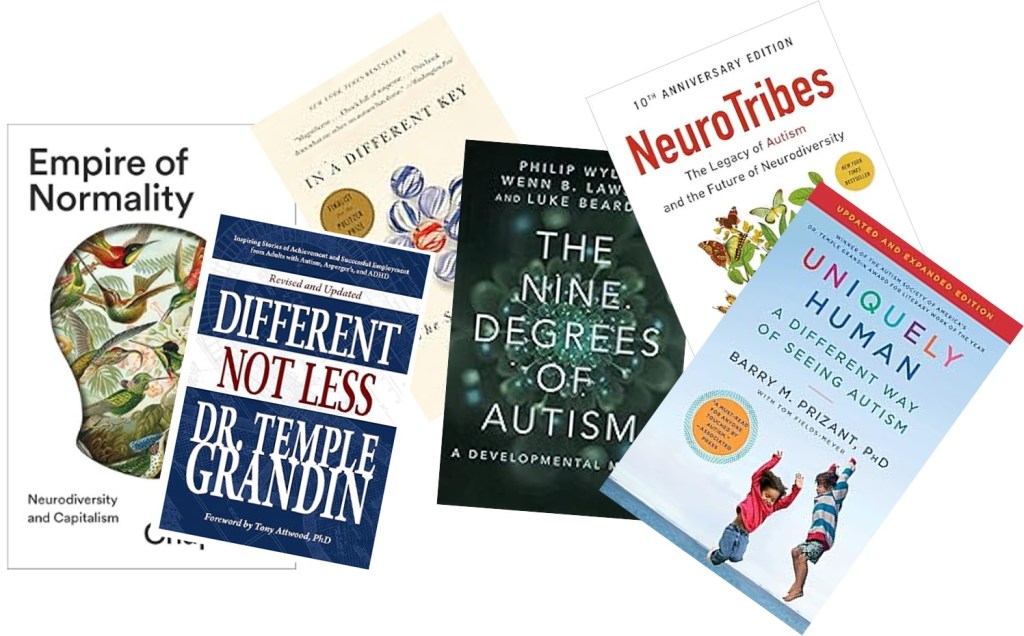
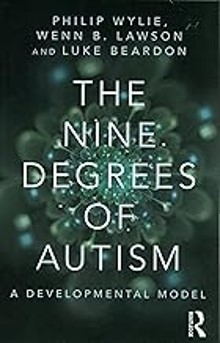
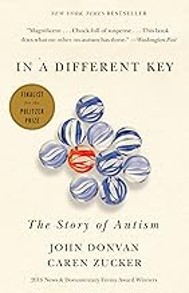
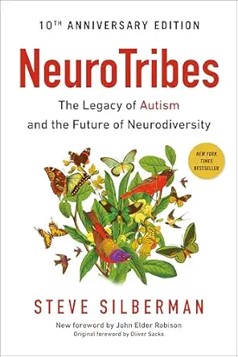
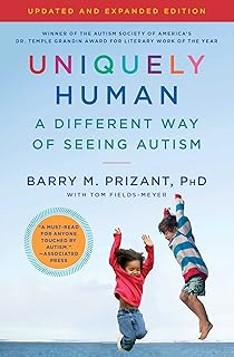
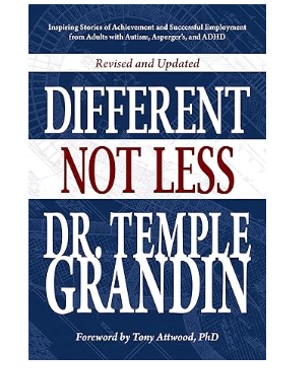
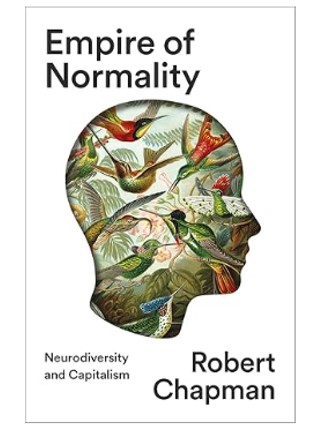


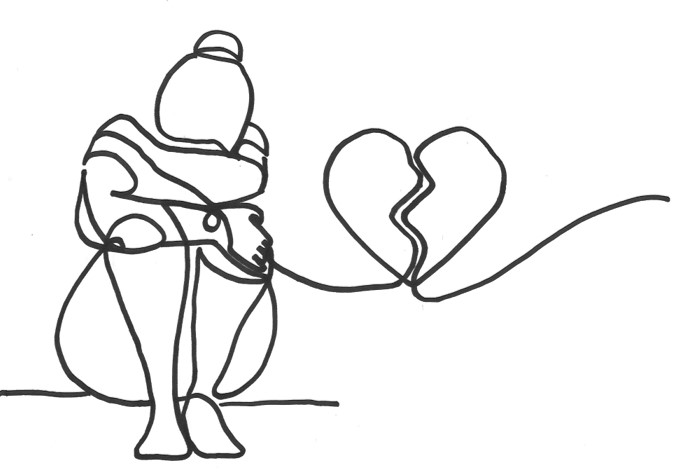


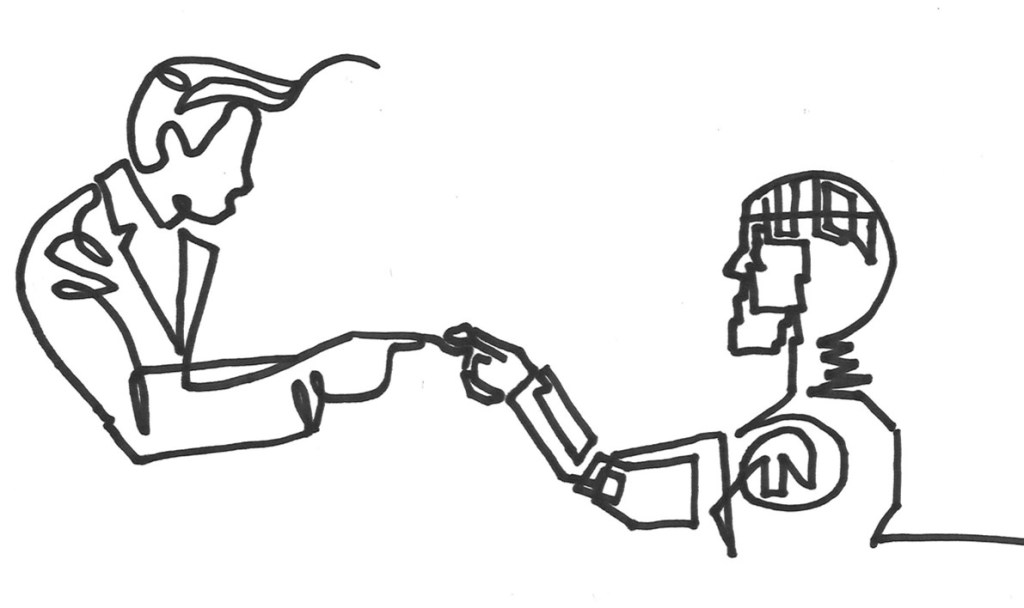
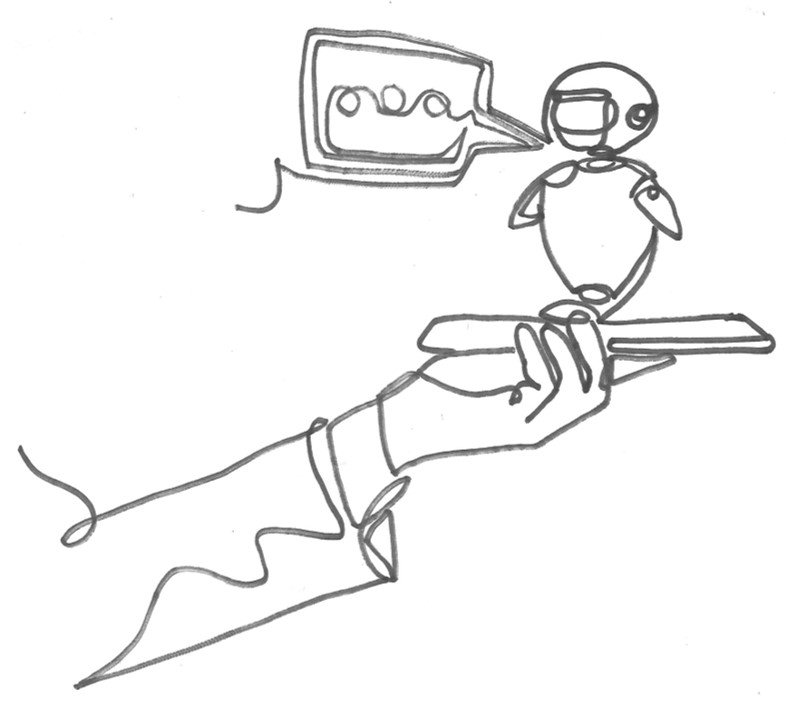
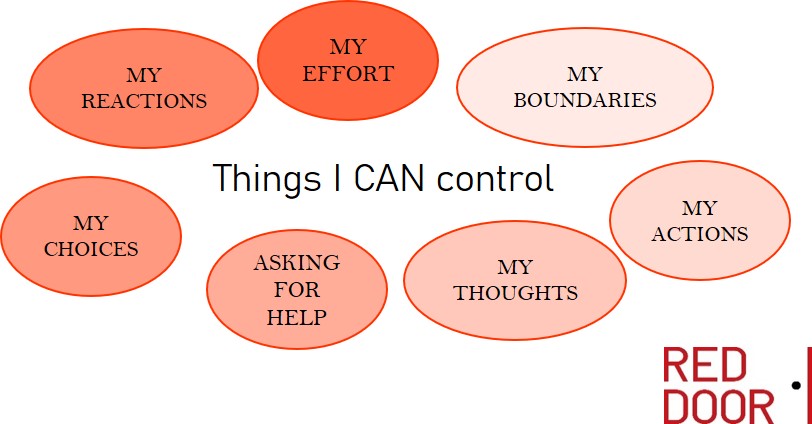
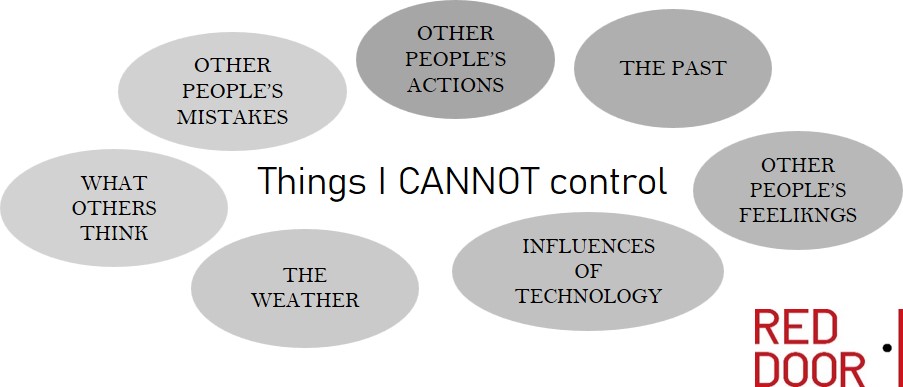

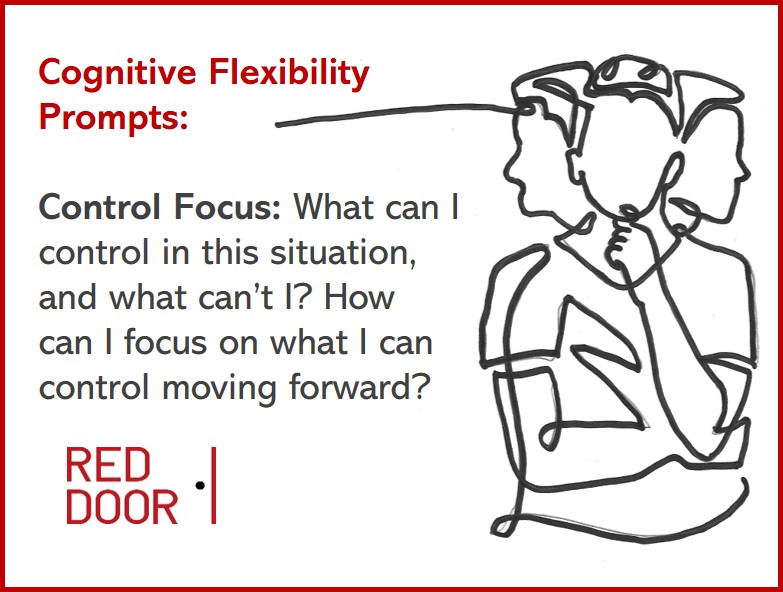
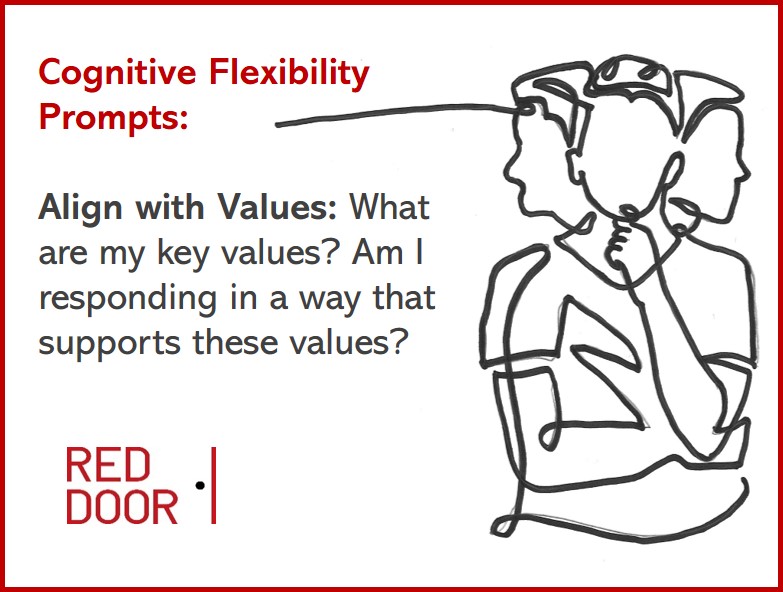
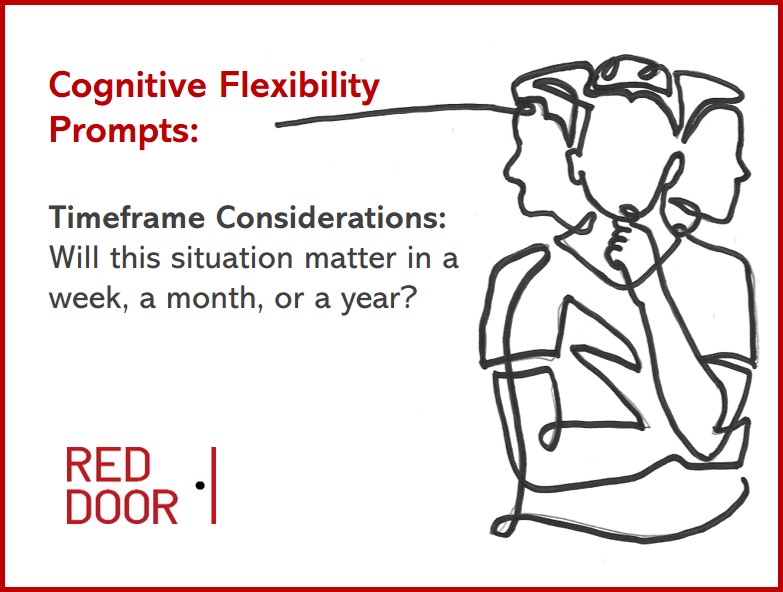













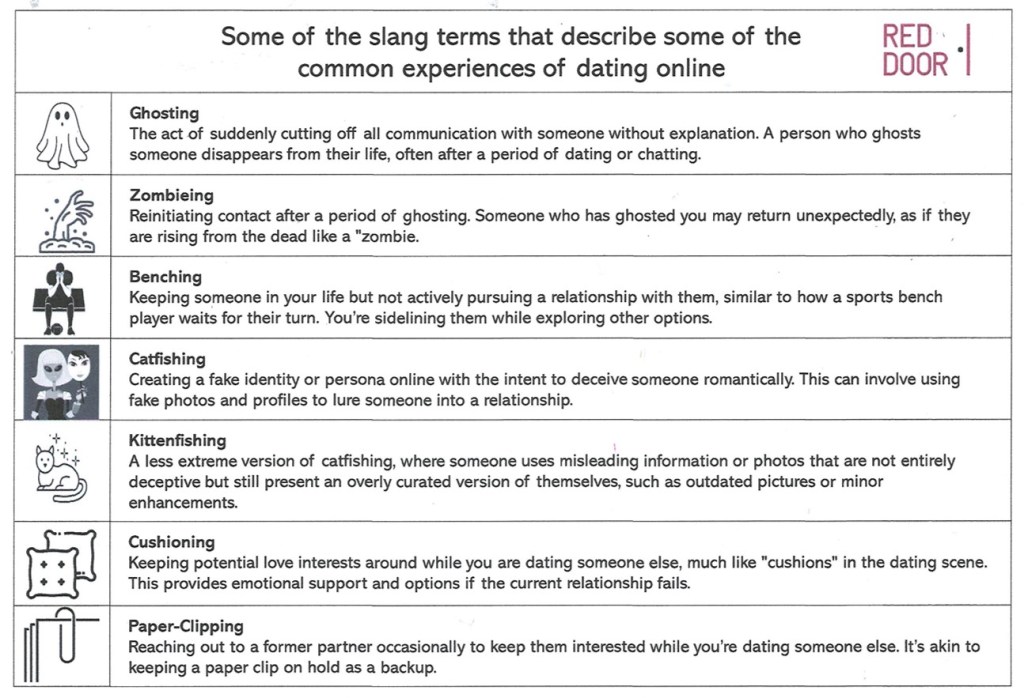
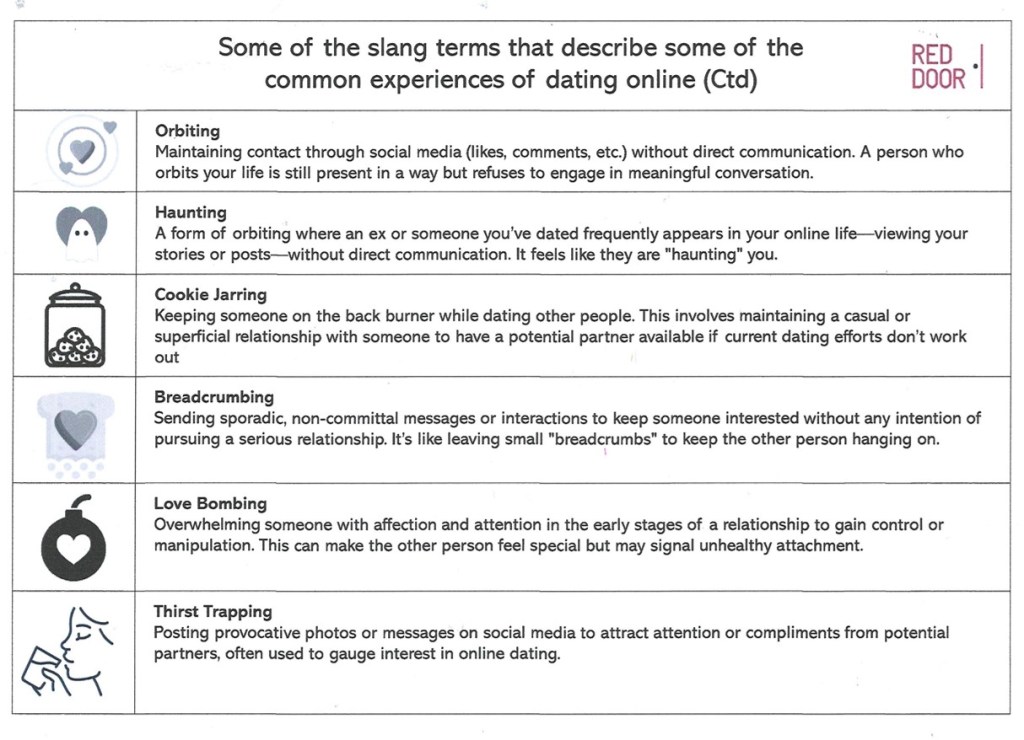































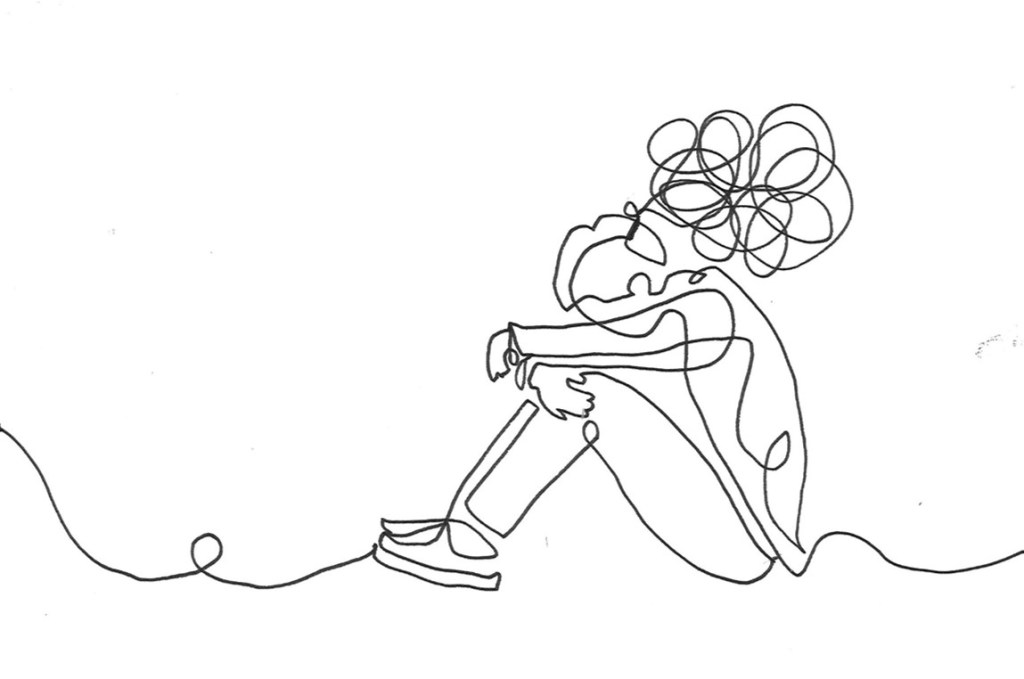

 Start your Red Door Journey