
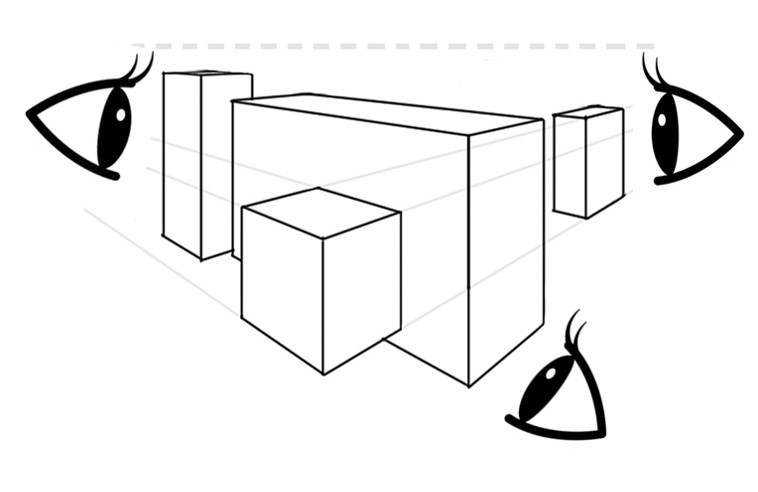
Cognitive flexibility is the practice of evaluating situations from different perspectives to broaden your understanding when you feel stuck. This skill is vital in transforming negative thoughts and promoting healthier emotional responses.
Understanding Cognitive Flexibility
Consider a few scenarios:
- You ruminate about your ex-partner’s infidelity, which leaves you feeling worthless.
- You have a conflict with a family member, feeling trapped in the unfairness of their accusations.
- You apply for a job but receive a blunt rejection, making you feel hopeless about the future.
By practising cognitive flexibility, you can change how you perceive these situations. This is not about denying reality; rather, it’s about recognising that every situation is complex and layered. What seems like a disaster from one angle may have different interpretations when viewed through another lens.
Cognitive Distortions/ Filters: Understanding Your Thinking Traps
It’s essential to recognise that our perception of a situation is often clouded by cognitive distortions or filters – possibly irrational patterns of thought. These distortions can skew our understanding and emotional response, leading to feelings of hopelessness and frustration.
Common Cognitive Distortions:
- All-or-Nothing Thinking: Viewing events in black-and-white terms; if things aren’t perfect, they’re seen as failures.
- Overgeneralisation: Making broad conclusions from a single incident (e.g., believing you will never succeed because of one failure).
- Mental Filtering: Focusing solely on negative aspects while ignoring positive experiences.
- Discounting the Positive: Minimising achievements, assuming they don’t count.
To learn more about Cognitive Filters read our blog below on this topic.
Steps to Cultivate Cognitive Flexibility
Here are some ways to practise cognitive flexibility:
- Awareness: Regularly check in on your thoughts to recognise when you’re using cognitive distortions.
- Practise Empathy: Consider how others might view the situation differently.
- Challenge Your Thinking: Use cognitive flexibility prompts to explore alternative perspectives.
When you find yourself stuck ruminating about a situation think about some of the following prompts to help you game alternative perspectives on a problem.
Cognitive Flexibility Prompts:
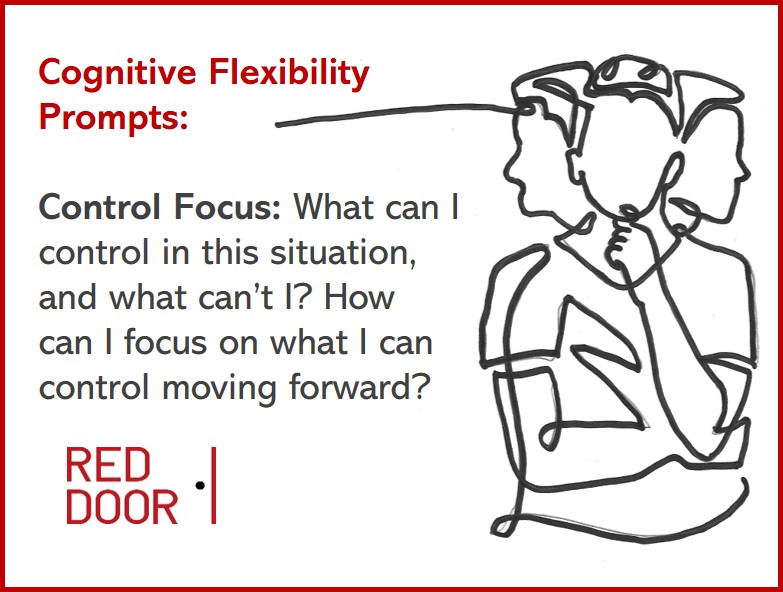
- Control Focus: What can I control in this situation, and what can’t I? How can I focus on what I can control moving forward?
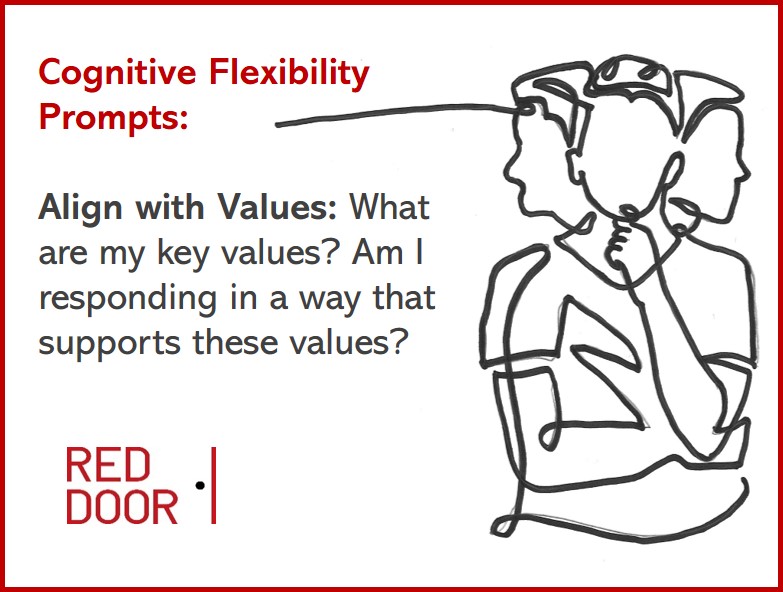
- Align with Values: What are my key values? Am I responding in a way that supports these values?
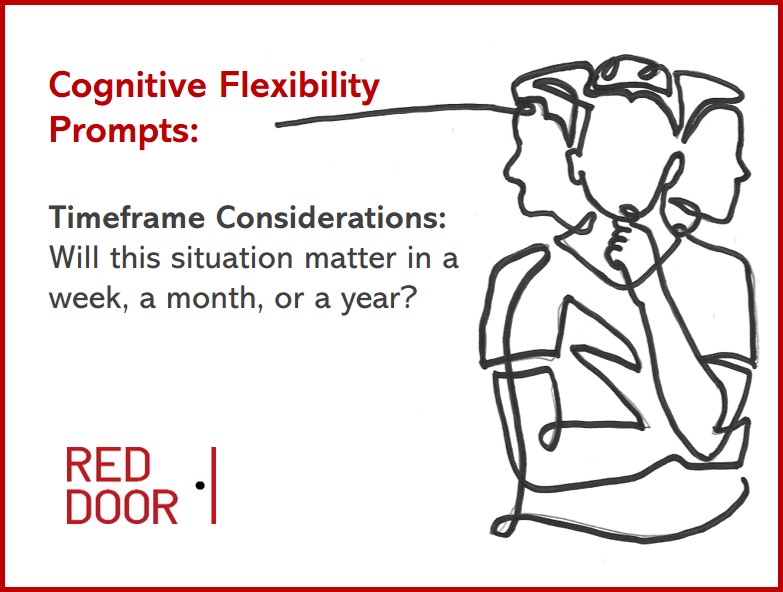
- Timeframe Consideration: Will this situation matter in a week, a month, or a year?
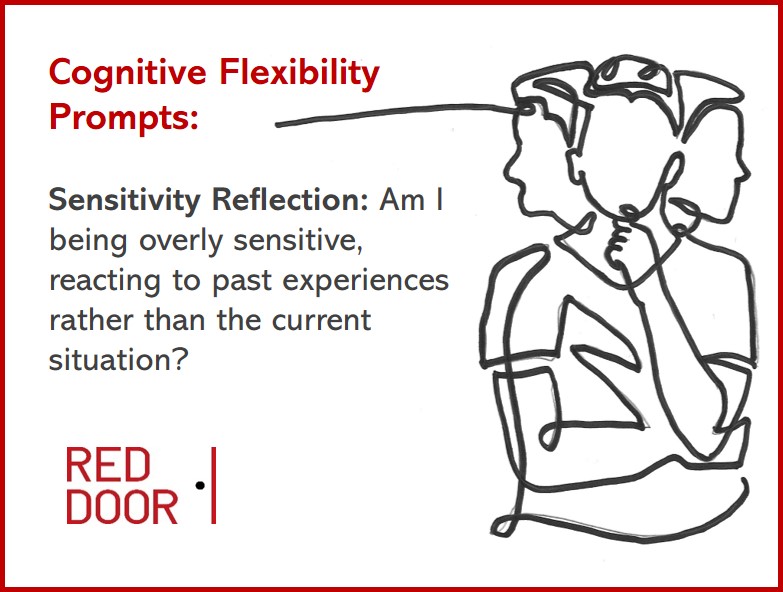
- Sensitivity Reflection: Am I being overly sensitive, reacting to past experiences rather than the current situation?
- Behaviour Analysis: Am I acting too passively or avoidantly? How can I break negative behaviour patterns?
- Win Visualisation: What does a “win” look like in this situation? What different paths can lead there?
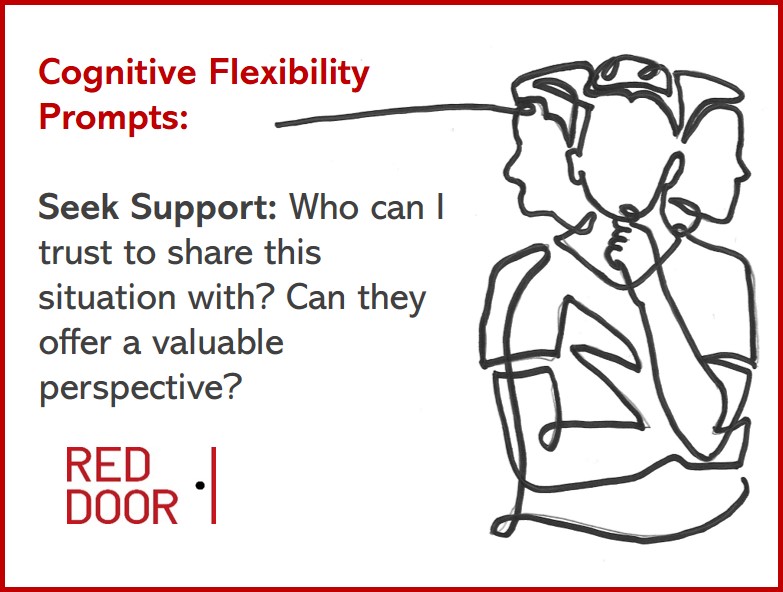
- Seek Support: Who can I trust to share this situation with? Can they offer a valuable perspective?
- Self-Compassion: Am I showing myself compassion? How can I be more self-compassionate?
- Confidence Reflection: Would this situation change if I were more self-confident?
Final Thoughts
By consciously practising cognitive flexibility, you can develop a more nuanced understanding of challenging situations, leading to healthier emotional responses and better decision-making. The goal isn’t to ignore reality but to embrace its complexity. Over time, cultivating this skill can help you navigate life’s difficulties with greater ease and resilience.
**************************************************************
About the Author: Angela Watkins is an experienced counsellor working in Hong Kong with teens and adults and couples. . Angela helps her clients work through pain, shame, grief, and feeling stuck. You can feel differently.
#CognitiveFlexibility #MentalHealth #PersonalGrowth #SelfAwareness #EmotionalIntelligence #MindsetMatters #Wellbeing #Resilience
 Start your Red Door Journey