
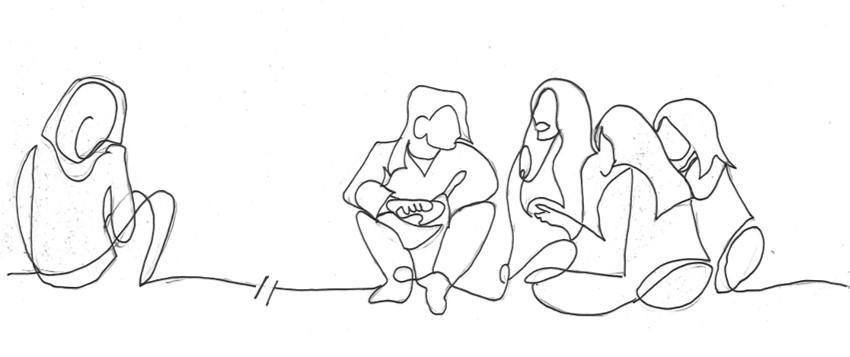
Experiencing exclusion from peer groups is a common yet distressing event for teenagers, particularly among girls, though boys can also be affected. This sense of rejection can be incredibly stressful, often leaving lasting impacts on self-esteem that persist well into adulthood.
So, how can you best support your teenager through this painful and challenging experience?
Diversify Their Friendship Base
Exclusion can be an emotionally debilitating experience, as it underscores feelings of abandonment and loneliness. When your teen finds themselves alienated, it’s vital to encourage them to seek out new friendships and environments where they feel accepted.
Encourage your teen to cultivate a diverse group of friends both in and outside of school. When exclusion occurs, they should not feel obliged to remain in an environment where they are being ignored. Instead, they should be supported in reaching out to other friends or making new connections. It’s important to remind them that discussing their exclusion with others is entirely appropriate and common; many peers have experienced similar situations and can offer empathy.
Uphold Family Values
During these challenging times, it is crucial to provide strong support as a family. Simple acts, such as spending more quality time together, can reinforce the notion that family remains a reliable source of comfort. For instance, picking your teen up from school for an enjoyable meal, playing games, or watching films together can remind them that, while friendships are significant, family connections are steadfast and invaluable during adversity.
Embrace Openness
There should be no embarrassment surrounding experiences of exclusion. It could stem from misunderstandings or reasons unknown to your teen. Nevertheless, exclusion can diminish one’s self-worth only if it goes unchallenged. Teach your teen to recognise that being excluded does not imply unloveability, despite what their internal dialogue may convey. Remember, “Thoughts are not facts.”
Conflict within groups is inevitable, and exclusion can often be a sign of immaturity. While one might hope that individuals mature beyond such behaviour, it is not uncommon for adults to wield exclusion as a means of managing conflict in professional and personal settings.
Name the Behaviour
A significant issue with exclusion, particularly among girls, is that it often lacks transparency. Instead of openly admitting to excluding someone, groups might feign busyness to avoid meeting up. Allowing such behaviour to go unchallenged only perpetuates hurtful dynamics. Encourage your teen to address the issue directly. For instance, rather than making ambiguous statements like, “I understand you’re all very busy,” they could assert, “It seems you are choosing to exclude me from the group.” This directness instils a sense of accountability rather than permitting hurtful excuses to flourish.
While some peers may initially accept exclusion, prolonged periods can compel individuals to reflect on their choices. It is essential for your teen to recognise that the continued exclusion is a choice made by their peers.
Seek Professional Support
Consider facilitating access to counselling for your child during this time. A competent counsellor can help them distinguish their responsibilities from the actions of others, and navigate the often subtle dynamics of group membership. These sessions can also serve as an opportunity for your teen to explore their identity and values amidst the turmoil of exclusion.
While these episodes may be painful, they also present a chance for reflection on personal beliefs and aspirations. Ideally, your child should emerge from these experiences with a strengthened sense of self and improved interpersonal skills.
Contemplate Forgiveness
Recognise that teenagers may act impulsively. They are still developing their moral and reflective abilities. In group conflict, exclusion can be employed as a control tactic by certain members, often without the collective agreement of all group members. Over time, excluders might reach out again, prompting your teen to decide whether to forgive or to sever ties with their former friends. Forgiveness can be a valuable consideration.
However, if your teen chooses to forgive, remind them to remain cautious. A diversified friendship base is the best defence against future exclusion. While they may rekindle friendships with those who once excluded them, it’s vital to ensure they maintain a broad network of supportive peers.
Allow Time to Heal
While some friendship dynamics can collapse entirely, exclusion often does not last long—typically around a week. Although it may feel interminable in the moment, ensuring your teen cares for themselves during this period is crucial. If exclusion persists beyond a couple of weeks, it may be wise to involve the school or explore alternative solutions.
Encourage Productive Use of Time
When friendships falter, teens may find themselves with unallocated time they previously spent with friends. As exclusion generally does not last long, encourage your teenager to consider how they might utilise this newfound time in a constructive way. Whether through exploring a new hobby or dedicating time to studies, this can provide both distraction and development.
Re-enter Social Spaces
In the initial stages of exclusion, it is advisable for your teenager to temporarily withdraw from environments where they are being ignored as a self-protective measure. However, after building new friendships or securing counselling, encourage them to re-enter these spaces once they feel stronger. Excluders benefit from your absence; returning to these environments compels them to confront their own behaviour, which can induce discomfort and may, in turn, prompt changes in their previously accepted dynamics.
Inform the School, If Necessary
Discuss with your teenager whether to inform the school about the exclusion. While schools often encourage students to approach teachers regarding such issues, complaints can backfire on those reporting them, complicating the decision for teens
My professional recommendation is to keep your child close. Establish a deadline for informing the school if issues persist. During this time, your teen may reassess their feelings towards their excluders, which could inform their decision moving forward. Work with your teen as a team.
About the Author
Angela Watkins is a counsellor and psychologist with extensive experience supporting teenagers and adults in navigating issues such as self-esteem, interpersonal relationships, anxiety, depression, substance addiction, and recovery from trauma. To contact Angela for a session, email angelaw@reddoor.hk.
 Start your Red Door Journey