
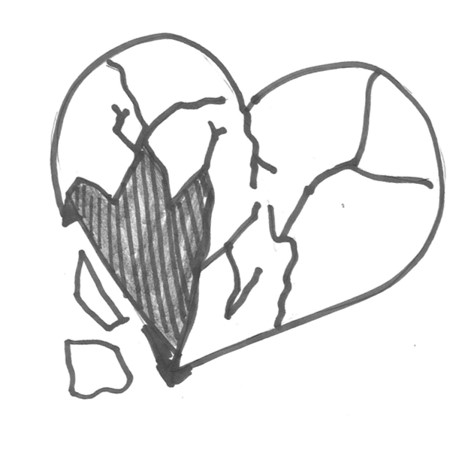
Divorce is a significant life event that often brings with it a complex and profound sense of grief. This grief is not only multifaceted, lasting long after the legal proceedings have concluded, but it is also frequently disenfranchised, leaving individuals feeling as though they lack the right to mourn their loss.
It’s essential to understand that grief can manifest even if you are the one who initiated the separation. In many cases, the decision to end an unhealthy marriage is the last resort taken to safeguard one’s mental health.
Those navigating this challenging transition often find themselves mourning various aspects of their previous lives. This includes:
- Changes in social standing
- Lifestyle shifts
- Disillusionment with their partner’s perceived image
- The profound redefinition of what it means to be a family
- Loss of personal identity
- Relationships with friends
- The comforting routines that once characterised married life
- The absence of another parent during stressful times
- The intimate connection that was shared
Throughout the divorce process, counselling can play a crucial role, guiding individuals towards healthy and constructive ways to grieve rather than falling into maladaptive patterns.
Maladaptive responses to grief can take many forms, such as:
- Denying one’s feelings or the feelings of others
- Blaming others for personal emotional pain
- Distracting oneself with meaningless activities to fill the void
- Being consumed by thoughts of revenge or self-pity
- Continuing to engage in conflict with an ex-partner
- And even resorting to self-medication as a coping mechanism
Counsellors can assist individuals in managing their grief adaptively by:
- Helping them recognise and label their emotions—understanding that anger is often sadness expressed outwardly.
- Guiding them to reframe their perspectives so they can move forward rather than feel immobilised or engage in self-destructive behaviour.
- Assisting in reworking past experiences for empowerment in the context of divorce.
- Encouraging a reimagined approach to co-parenting, viewing it from perspectives beyond the traditional nuclear family model.
- Supporting individuals in auditing their lives, empowering them to engage in activities that promote personal growth and forward momentum.
- Encouraging the creation and celebration of rituals that honour the grief experienced during divorce.
- Advocating for the rights of their own emotional well-being and championing others who may feel disenfranchised in their divorce journey.
Divorce is undoubtedly challenging, but by recognising and addressing the grief associated with it, individuals can navigate this tumultuous time with grace and ultimately emerge stronger and more resilient.
If you feel stuck in the grief of separation or divorce, consider counselling, or joining a support group such as the Iron Fairies.
 Start your Red Door Journey