
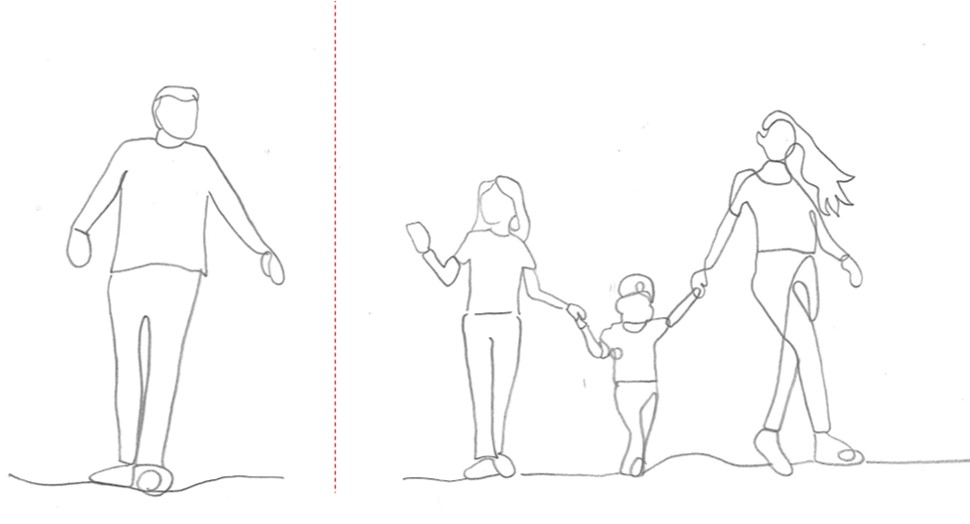
Divorce can be a challenging and emotional process for everyone involved—especially for children. One of the often overlooked but deeply damaging issues that can arise during and after divorce is parental alienation. Understanding what it is, why it’s harmful, and what you can do about it is crucial for protecting your child’s well-being and maintaining healthy relationships.
What is Parental Alienation?
Parental alienation occurs when one parent, whether intentionally or unintentionally, influences a child to reject or distance themselves from the other parent. This can happen through harmful behaviours such as bad-mouthing the other parent, restricting contact, or fuelling negative feelings towards them. This creates a conflict of loyalty that the child must unfairly navigate.
It may manifest as the child refusing to spend time with the targeted parent, rejecting their messages or gifts, or expressing unfounded suspicions or hatred. It is developmentally important that a child has the opportunity to build a relationship with both parents.
While some disagreements during divorce are normal, parental alienation involves manipulative tactics that distort the child’s perception of the other parent, often to the benefit of the alienating parent.
Why Is Parental Alienation Harmful?
The effects of parental alienation are profoundly damaging—for both the child and the targeted parent:
- Emotional Trauma: Children subjected to parental alienation may experience confusion, guilt, depression, or anxiety. They often feel torn between their parents and may suffer identity issues.
- Damaged Parent-Child Relationship: The targeted parent’s relationship with the child can deteriorate, leading to feelings of loss, rejection, and helplessness.
- Long-term Effects: Parental alienation can impact a child’s ability to form healthy relationships in the future, fostering distrust or difficulties in trusting others. Children coerced into manipulation through triangulation may also face issues with co-dependency in their own romantic relationships.
- Academic Impact: The emotional challenges at home can lead to social withdrawal at school and impair the child’s academic performance.
Additionally, parental alienation can escalate conflict, prolong legal battles, and create a toxic environment detrimental to the child’s development. It costs parents financially and harms the child’s mental health.
What Can You Do About Parental Alienation?
If you suspect or know that parental alienation is happening, here are some steps you can take:
- Recognise the Signs
Be alert to behaviours such as your child refusing contact without valid reasons, parroting negative comments about you, or being manipulated into rejecting you. Keep track of any changes in your child’s attitude or behaviour. - Maintain Communication with Your Child
Keep open, honest, and age-appropriate conversations. Reassure your child of your love and support, and encourage them to share their feelings freely. Even if they refuse to see you, keep the door open with cards or small gestures. - Seek Professional Help
A family therapist or mental health professional experienced in parental alienation can work with your child and help you address the situation. Requesting family therapy as part of the divorce process may benefit everyone. Collaborating with your ex-partner — with the child’s best interests at heart — is often helpful. - Refrain from Bad-Mouthing the Other Parent
Avoid speaking negatively about the other parent in front of your child. Instead, promote a positive relationship and emphasise that they are loved by both parents. Be particularly sensitive if you inadvertently ask your child to pick sides—that’s unfair. Your child is entitled to both a mum and a dad, and they should not feel forced to choose one to feel secure. - Document Incidents
Keep records of any concerning behaviours, communications, or instances of alienation. This documentation can be useful if legal intervention becomes necessary. - Consult Legal Professionals
If parental alienation affects custody arrangements or the child’s safety, consult a solicitor specialising in family law. Courts can sometimes order counselling, supervised visitation, or other measures to protect the child’s best interests. - Prioritise the Child’s Well-Being
Above all, focus on your child’s emotional health. Create an environment of love, stability, and open communication wherever possible. Remember, in divorce, strive to be the best parent you can be.
I often advise parents to imagine their child, in the future, telling their partner about the story of their childhood. Consider how they might say, “The thing I most admired about my mum is ________,” or “Even when things got tough, I respect that my dad did ________.” How would you feel if your child believed you turned them against their other parent just to protect your feelings?
Final Thoughts
Parental alienation is a serious issue that can have lasting effects on a child’s mental health and family relationships. Recognizing the signs and taking proactive steps can help preserve the bond between children and their targeted parent. Remember, seeking help from professionals and keeping the child’s best interests at heart are key to overcoming these challenges.
If you’re facing parental alienation, know that support is available. You don’t have to navigate this difficult situation alone—reach out to legal and mental health professionals to help you and your child through this process.
 Start your Red Door Journey