
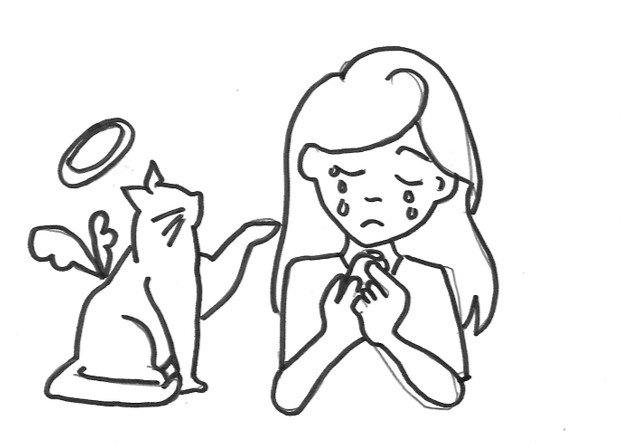
Having a pet is a wonderful experience. They become beloved members of our families and bring joy and companionship into our lives. Unfortunately, like all living beings, pets will someday pass away. Sometimes, we need to end their suffering; at other times, they simply grow old. Loss can be especially painful if your pet dies suddenly in an accident.
The death of any pet—regardless of how it occurs—is deeply painful. It’s important to acknowledge your loss, out of respect for both yourself and your beloved companion.
Here are six recommendations to help you heal from the pain you experience when a pet dies:
1. Recognize and Respect Your Feelings

The loss of a cherished animal companion is significant. Allow yourself to feel sad. Cry if you need to. Don’t rush through your grief. Be wary of well-meaning but dismissive comments like, “Get over it— it was just a dog/cat.” Remember, your pet was a loved family member. Grief often comes in waves—initially intense and overwhelming, gradually softening over time. Years later, unexpected waves of sadness may still wash over you.
2. Talk About It
Don’t keep your feelings bottled up or feel guilty about sharing your sorrow. Friends and family can provide invaluable support during this time. Even if you don’t fully understand someone’s grief, showing empathy is meaningful. If a friend has lost a pet, offer your support and listen compassionately.
3. Memorialize Your Pet
Create a small memorial to honor your pet. Share photos, stories, and memories. This act of remembrance helps maintain a connection with your beloved animal, especially during the painful days following their passing. You might also write a letter expressing gratitude and love, which can be especially helpful for children. Writing provides a creative outlet for sadness and reinforces that your pet’s memory continues to live on. For children, drawing pictures of their pet or even receiving a letter from their pet can be comforting. I remember when my young child struggled with the sudden loss of our dog, Milo—I even wrote a humorous “letter from Milo” about his adventures in heaven, which brought smiles and comfort.
4. Practice Rituals
Engage in rituals to honor your pet. In Chinese tradition, during the Hungry Ghost Festival, people burn paper models of comforts like clothes, cars, or gadgets to support their loved ones in the afterlife. You can adapt this idea for your pet—drawing or creating paper representations of their favorite toys or foods. For example, I once sent Milo a paper steak to avoid the diet he jokingly “needed” in heaven. These rituals create a sense of ongoing connection and help process grief.
5. Allow Space for Your Grief
Avoid rushing to replace your pet with another right away. Doing so can confuse children and suggest that grief is something to be avoided or that feelings should be suppressed. Instead, when you’re ready, discuss with your family about welcoming another pet—this thoughtful approach ensures everyone is prepared to form a new bond without dismissing the depth of their feelings.
6. Nurture Yourself and Your Family
Losing a pet is often devastating. Be gentle with yourself and your loved ones during this difficult time. Remember, you have lost a dear friend and part of your family. Respect your emotions and honor the love and companionship your pet shared with you.
PetLoss #Grief #Healing #Support #HonoringMemories #PetLove #Bereavement
__________________________________________________________________
Angela Watkins is a psychologist and counsellor at RED DOOR Counselling in Hong Kong. Her current clinical work focuses on parenting, family life, parenting SEN children, anxiety, OCD, addiction recovery, career change, stress management and divorce.
Other articles about grieving
 Start your Red Door Journey