

If you are experiencing challenges in your relationship, you may ask yourself, ” Should we split up?”
In essence, the decision to end a relationship is up to the people involved in that relationship. In a relationship involving two people, both people have the right to decide if a relationship is over. It takes two committed people to continue a relationship, but only one, wanting to leave, to end it.
If you are wondering if a relationship is, or should be over, here are some considerations you might like to think about:
1. What is the level of legal commitment attached to your relationship?

Is your relationship a casual relationship, a long-term commitment, or a marriage? Do you have children together? Do you have shared assets such a property together?
When you are married, or have shared assets, there is a legal element that needs to be considered when contemplating the ending of your relationship?
Whilst friends may give you advice in these situations, I strongly advise you to seek legal advice on matters that have legal consequences. It may not, in the long run, change your decision to stay or leave, but it help the conditions around which you agree to stay, or the planning around how or when you might leave.
2. Are both parties equally committed to the relationship?
Quiet quitting is not just a workplace phenomena. Is one person in your relationship demonstrating lack of interest in the relationship? Have you asked your partner if they can step up their level of commitment within your relationship, only to be pawned off with a weak, “Ill try” empty promise?
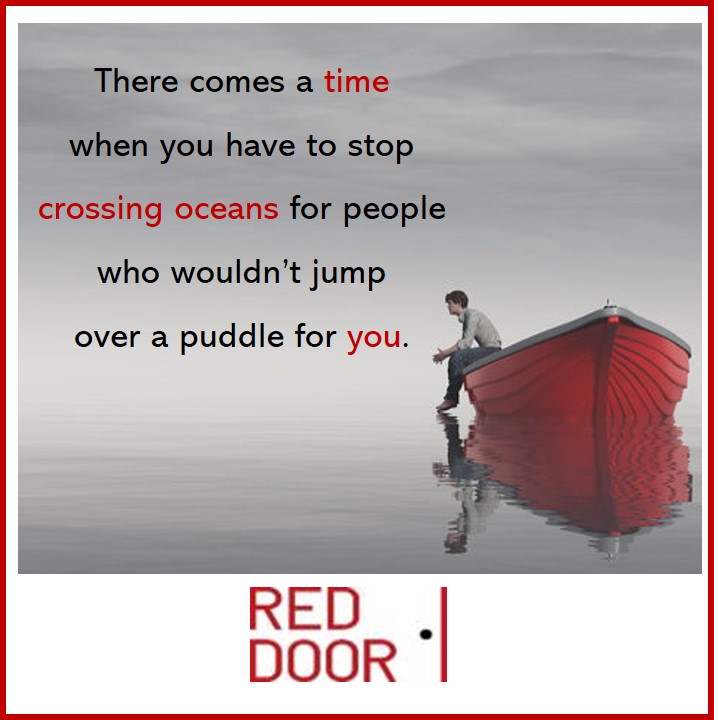
Do you believe that the level of commitment that you request from your relationship is a fair expectation? How about your partner, do they agree that your request is, in principle, a fair request?
As a counsellor I have seen many couples who struggle with unmet expectations, from how often each partner will look after children, to how many phone calls a week you can expect when your partner is travelling for work, for example. When you have a mismatched expectations, you may need some support to help navigate the negotiation.
If you have a partner who is not willing to commit to a level of attention within the relationship, and maybe you need to recognised that this is now your reality and address that this may not change. If your partner does not engage in the relationship as you would like, you have to decide will you settle for less than you’d like, or would it be helpful to end this relationship so that you can, in time, find a relationship that meets your expectations? Do you deserve better that you are getting? Are you hanging on in hope that things will change, when signs indicate that change is not coming? is the relationship over, but just not yet, finished? Could it be revitalized, and if so, could you consider help to explore how to make such changes possible? Continuing to have the same argument over commitment probably needs external help to resolve.
3. Is your relationship a habit rather than a partnership?
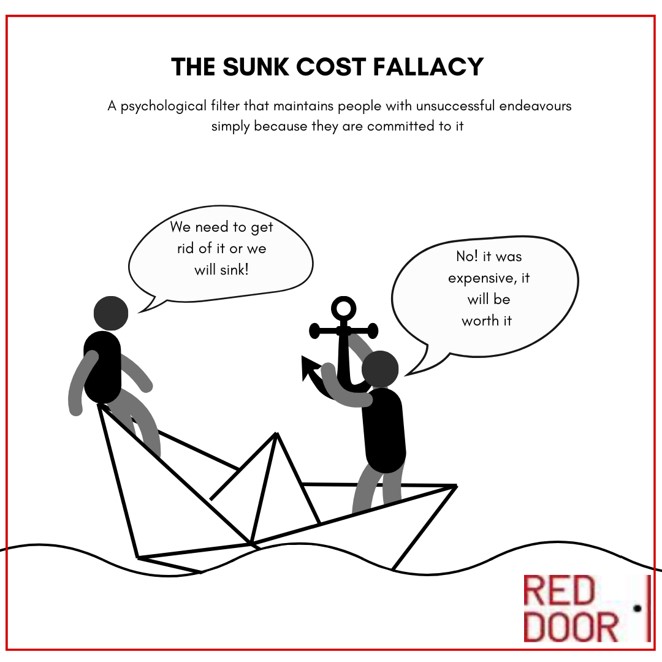
It is worth while considering if your relationship has become a habit, rather than a partnership with shared goals. Do you and your partner have time dedicated to being together, or do you operate more like friends or flatmates, simply coexisting with individual lives.
If that is the case, as yourself is this the type of relationship you think you want. Individuals stay in relationships simply because they have already invested years in that relationship. This viewpoint is often referred to as the sunk cost fallacy. The sunk cost fallacy is a psychological filter that maintains people within unsuccessful endeavors simply because they’ve committed resources (often time or money) to it. This ignores the understanding that things will not change by magic, especially in relationships.
An unsatisfactory relationship will remain unsatisfactory unless something significant changes. Normally that type of change involves couples counselling.
4. Is your relationship safe?
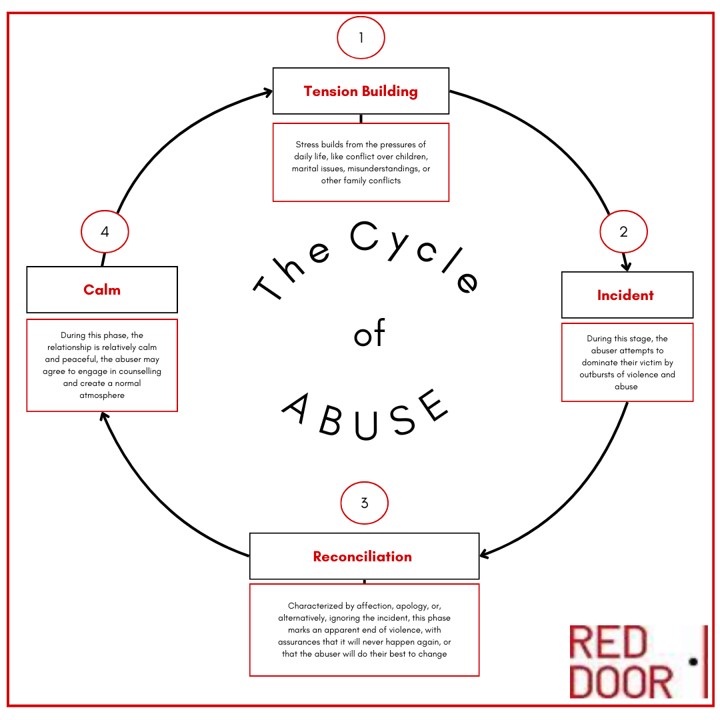
People can find it hard to leave unsafe relationships. Relationships where coercion, aggression, or manipulation are key elements are unsafe for one, maybe both, parties. Its difficult to face the reality that you have ended up in a situation that you may find shameful. What is worse is to stay in a relationship where your physical or psychological safety is threatened any longer than you have already. If you are willing keep a track of all instances where you have not felt safe, and share these details with someone you trust. Talk to friends, or a professional, about your experiences.
I would ask you to consider the question, “Would you be more safe outside of this relationship, living on your own, when compared to what your life is like in the relationship in the past 6 months?” If the answer to that question is yes, then you might want to think about taking a pause in your relationship so that you can have some time to reflect on this question, your safety, and your future.
5. Is your relationship healthy?
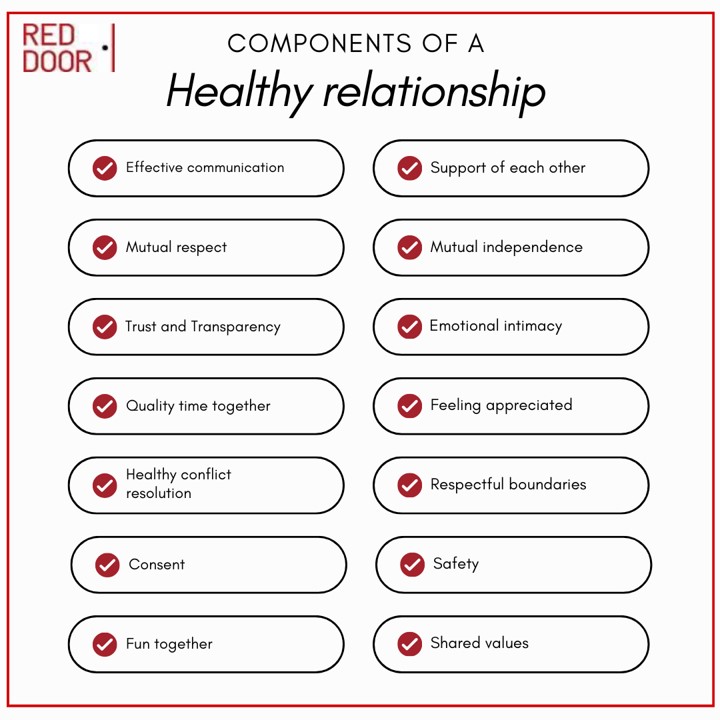
Most individuals have their own point of view regarding what constitutes a healthy relationship. It is worth taking a few minutes to write down what practices you believe are essential within a healthy relationship. Any relationship, not just your own. Think about the relationships you have experience of – your parents relationships, the relationships that you witness with your best friends.
Take this list and look at your own relationship. How does your relationship measure up? Are the areas where you score your relationship unfavorably, possible to change? With or without help? Whilst a relationship that doesn’t meet a checklist on healthy criteria is not necessarily a sign to call it quits, your audit can help you decide what needs to change in order for your relationship to be worthy of you staying.
6. Are you staying for someone else?
Sometimes a marriage is over, long before it is finished. Many couples stay together for the sake of the kids, not for their own individual satisfaction. If this is the state of your marriage, you are not alone. Some commentators in the divorce advisory space estimate that at least one in three marriage continues for the sake of the children.
If this describes you, have you contemplated what the alternative would look like? Have you sought advice on what a divorce or split could look like in terms of assets and expectations? Are you ready for a split once your child reaches the age of 18, or is the decision to stay for the kids, simply you avoiding the question of marital split in general?
7. Are you afraid to be alone?
I run a special support group for women going through divorce, the Iron Fairies. I fondly remember the words of one Iron Fairy about the topic of loneliness:
“I was so frightened to leave my marriage because I was scared of being alone. What I didn’t realise at the time is that I was alone in my marriage. No body came and sought me out. I may now be single, but I so much less lonely than I was in my unhappy marriage.”
We hold onto certain fears and stereotypes of what relationship split might look like. Shame. Forecast images of being destitute. This is not often the case. What I’ve learnt from years of working with women going through divorce is that many of them are often much happier once their divorce is complete. Much more than they expected at the outset.
Don’t stay in a relationship because you are afraid to be alone. You can work to build a network and support. Things can be better.
The decision to stay, or leave a relationship is deeply personal. Only you can decide. But also acknowledge if this is a decision you are avoiding, at cost to yourself and your future.
#relationships #relationshipbreakup #cycleofabuse #sunkcostfallacy #marriagebreakup #marriagerules #relationshipcommittment #breakup #leavingarelationship #leavingamarriage
About the author: Angela Watkins is a counsellor working out of RED DOOR Counselling Hong Kong. Angela is a couples’ counsellor as well as counsellor of individuals.
 Start your Red Door Journey