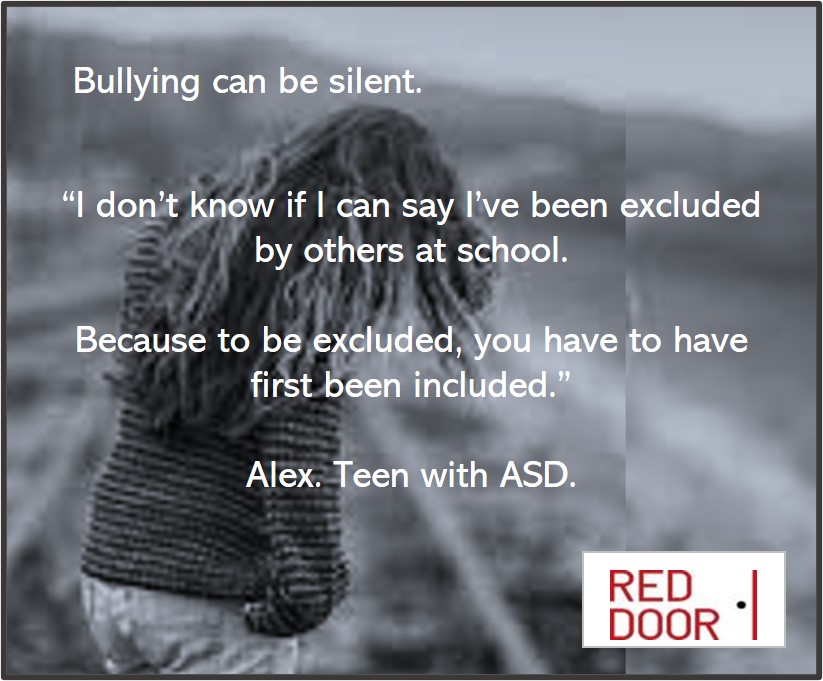
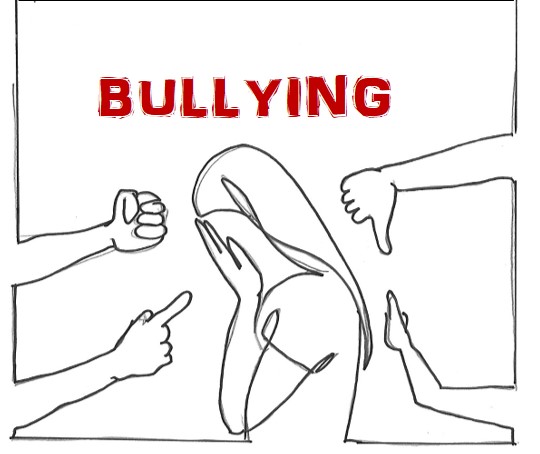
Bullying is generally defined as intentional abuse or intimidation having a component of real or perceived power imbalance and repetition over time. Bullying includes actions such as verbal name calling, physical aggression, social exclusion, psychological stalking or harassment, or through cyber platforms including social media, WhatsApp and email.
Bullying is a serious problem. The prevalence of bullying in schools varies with study place or group. In general, bullying tends to increase through the primary school years and peaks in middle and early secondary school years.
Bullying is being recognized as an important public health issue internationally. The rising phenomenon of bullying is posing enormous challenges to the school educational system in several countries worldwide causing a negative effect on academic stability, student health, well-being, and safety.
Kids bully for a variety of reasons including that they have been bullied (at school or at home); bullying has been supported in particular environments in the past (including mocking by teachers in schools), bullying is not directly addressed and this looking the other way has demonstrated that bullying can be an “effective” tool of controlling other people.
Whilst schools say they have a zero tolerance to threatening behaviour dealing with bullying is not as simple as it might first appear. Many factors make it difficult for schools to deal forcefully with incidents of bullying.
For example, often bullying occurs off campus. On campus bullying is usually regarded within the remit of the school to deal with. When bullying happens between members of a school community, but off campus, sometimes schools see this as outside their jurisdiction. This is sometimes the case with online bullying. If this happens to you, remember that schools often have a communication and technology use policy. It may be good to read the policy so that you can involve the school actively if cyber bullying is a stated infraction of their rules.
Bullies are people too. Sometimes people who are bullying are actually quite vulnerable individuals themselves. They may be being bullied (in school or at home), they may not have strong social skills in order to better express their needs. Whilst they are dys-regulated and may have reasons for their outbursts and controlling behaviour, this doesn’t dismiss them from some accountability from their actions.
There is a tendency to blame the victim in aggressive situations. Sometime individuals look to the victim of a crime to see how they have contributed to the situation, not only how they feel as victims of the bullying. We often do this ourselves, as a may to make sense of situations. Whilst no one may be blameless in an incident there are lines of acceptable behaviour that we need to draw and communicate what is poor behaviour, from aggressive behaviour.
Supporting your bullied child/ teen.
Listen to your child – They may want to ignore what has happened. There are times when you can ignore bullying, such as when a bullying person is simply trying to get a rise out of you. Remind your child that no one has the right to harm them.
Document your experience – so that you are clear about what is happening. You want to include if this is a one-time situation or has occurred on a repetitive basis. Also document the impact – was it perceived by your child as hostile or threatening. Include details of the bullying as fully as you can.
Work collaboratively with the school. Whilst you can assert that you expect the school to take action, remember it will be more helpful to work collaboratively with them not attack them for your child.
Consider ‘retribution’. What do you consider an acceptable “correction of the bullying behaviour”? Do you know, and does your child know, what an appropriate apology looks like for their victim? For example, in a recent example I worked through with my own teen was cyber bullied by a person at her school – she detailed her desire, “he can’t just say some vague sorry on line, he needs to say what he did was wrong and that he understands why it was wrong” . These components of an apology mean, saying a sincere sorry, understanding why the person has done something careless (personal responsibility), understanding the impact on the victim. If you would like to understand more about what makes a good apology to you, I suggest you explore the apology quiz if your child is a teen. What makes an apology meaningful to them?
https://5lovelanguages.com/quizzes/apology-language
Professional support. Consider if your child will need additional help to navigate their feelings around the events. If exclusion happened you might like to consider counselling. Many schools have school counsellors that you may have free access to. Otherwise consider private counselling. Nip any negative thought cycles or shame created by bullying in the bud. It is established that childhood bullying has a propensity to continue into adulthood and, if persistent, can leave lifelong scars. Help your child access the support to leave these incidents in the past once they leave school.
Therapeutic exercises such as journalling and confidence building exercises can help the victim of bulling. One journalling exercise I particularly like, at the time of bullying, is one where the victim of bullying writes a letter to themselves. This helps them support themselves and, hopefully, construct a plan of how they would like to respond.
Take a break from social media. If your child has been cyberbullied encourage them to take a break from social media for a while. Cyberbullying is very difficult to contain because of Cyber bullying is different from in person bullying because it is un-boundaries, often moves faster, privacy cannot be maintained, there is no refuge for your child, the content can remain live forever if it is shared by others, and it’s harder to trace. People feel emboldened to say things online that they would rarely feel confident to express face to face. Having your child observe the speed at which gossip can spread online can be distressing. Sometimes being away from the bullying rather than observing how information can spread, can be less distressing.
Quality family time. You may like to spend more time with your child if they have been bullied. This helps to remind your child that their family is their primary source of support, and will always be there for them.
Build a bigger network of friends. Have your child spend time with friends outside of school for a little, rather than their usual school friends can sometimes help. Whilst I don’t recommend isolating from supports at school, sometimes its nice to have some distance from all the drama involved in bulling and have a nice day out where the bulling is not the only topic of conversation
Own it. Encourage your child to talk to their friends about what has happened. Bullying is, unfortunately extremely common. Sometimes your child might feel ashamed of what has happened. Encourage your child to talk openly about their experience. Their loud sharing may save another child from suffering, and possibly harming themselves, in silence.
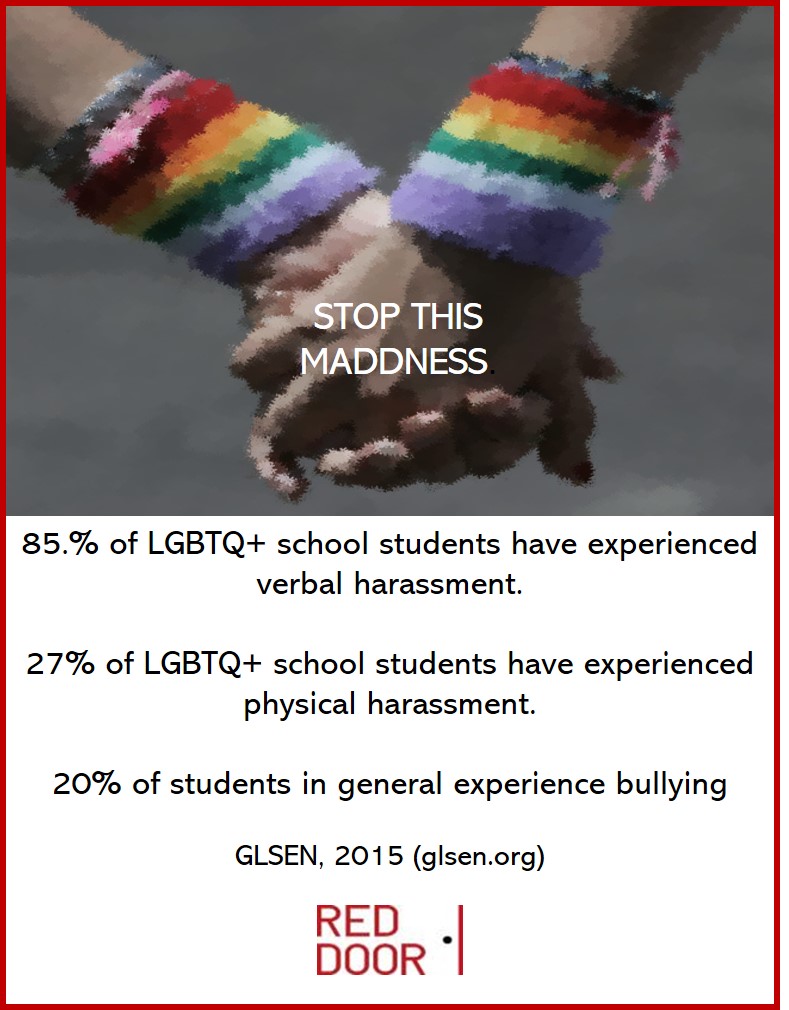
Proactive work. Schools and counselling groups work with children to help them build some resilience to withstand bullying. Some groups, such as members of the LGBTQ+ community, and children with different educational capabilities, experience bullying at higher rates than other teens. Helping them bolster their self-esteem, learn some clever clap backs, may be of help.
Set standards. Do not accept that bullying is a normal or acceptable behaviour, at school, or at work. Check your own behaviour to see if you have been complicit in supporting the bullying of others. We can all be more aware that bullying occurs, and that we can all help to stop these behaviours.
Bullying can have long term impact. Protect and support your child.
About the author: Angela Watkins is a counsellor working with teens and adults as they navigate traumatic, or challenging events in their lives. Angela has been named the best therapist in Hong Kong. If you’d like to meet Angela for an appointment, email her on Angelaw@reddoor.hk
Useful Books on bulling:
De Lara, E.W. (2016) Bullying scars: the impact on adult life and relationships.
Lohmann, RC, and Taylor, J. V. (2013) The bullying workbook for teens.
Martocci, L (2021) My bullied past – why does it still hurt?
Mathews, J and Mathews, A. (2011) Stop the bullying.
Payne, K, J., and Llosa, L.N. (2022) Emotionally resilient tweens and teens.
#teens #teenmentalhealth #reddoorcounselling #bullying #redddoorcounselling

 High School students pursuing the International Baccalaureate certification are expected to participate in CAS (Creativity, Action, Service) activities. The goal of these activities is to help children develop a holistic well-rounded perspective to learning and becoming a member of the community. The activities are mandatory. Outside of CAS, should students (of all ages) be encouraged to participate in volunteering activities?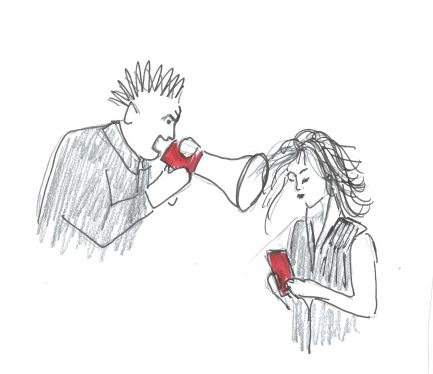


 Start your Red Door Journey