
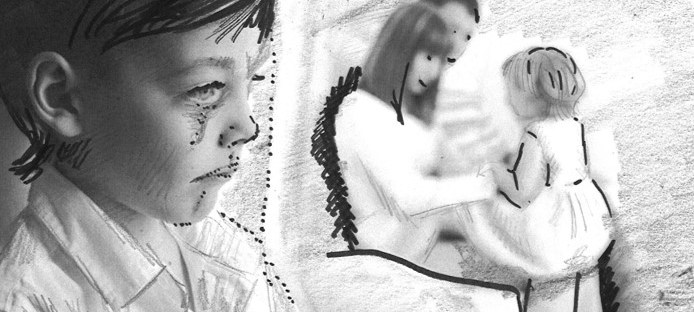

As the parent of a child with a disability, and a neuro typical child, I personally understand the complexity of supporting children who have extremely different needs. Having children with SEN (Special Educational Needs) kids, and supporting their siblings, is a common concern when I talk to families of children with disabilities, either as a counsellor or as another parent navigating the world of special needs.
Every day I see our typical child struggling with her sister in a manner beyond the typical challenges between siblings. Our typical child often has hang outs with friends interrupted by her sister who is less capable of making friends and is attracted to this group of younger people. When she was little, our youngest was occasionally sent to her room (frightened) when my husband and I are dealing with one of my eldest’s more extreme meltdowns. And like many siblings of SEN kids, our typical child feels jealous of the attention, and “double standards” she perceives about our parenting.
As parents of special needs children, with IEPs (individual Education Plans) to complete, therapies to attend, extra lessons to consider, and difficult to forecast futures to plan for our SEN kids, we can burn ourselves out providing SEN support, leaving our typical kids to wonder, “What about me?”
Let’s begin with some positive news. Studies suggest that siblings of special needs children are more likely to be extremely caring towards others, unselfish, and more willing to advocate for the disabled. In my personal experience, my typical child may be extremely annoyed with her sister, but will be the first to defend her if she feels that our SEN child has been bullied.
While these are wonderful benefits, there are many challenges for these “typical” kids who have special needs siblings experience as well. Siblings of SEN kids often experience a range of emotions towards their sibling including pride, embarrassment, love, anger, jealousy, fear, worry, feelings of responsibility, and these intense emotions need an outlet.
For example, a younger sibling may quickly reach levels of independence less possible for their special needs sibling. Rather than feeling pride in their own accomplishments, they may feel guilt that their sibling may not be able to achieve such a milestone.
What has happened in our family, the neuro-typical child has may witnessed her parents’ difficulty in managing their special needs child’s meltdown due to the child’s emotional regulation challenges. This can be scary. While our daughter has a lot of love for her sister, she also finds the anger of our autistic sibling extremely frightening and worrying. My own child often recalls, with fear, incidents of meltdowns that frightened her.
Sometimes siblings feel like they are an only child, when they are not. For example, they may feel that there are limited activities their sibling is willing or able to do with them in terms of play. They can worry that they carry ALL the hopes and dreams of their parents, and feel like they have to overachieve.
Outside of the home your typical child may feel fiercely protective of his or her sibling, while also feeling embarrassed when their brother, for example, makes loud noises in a quiet setting. They may experience their friends mocking children from learning support classes, and feel torn as to how they should respond.
Frequently when interviewed, siblings of SEN kids, mention that they often feel jealous of the attention that their parents pour into the SEN child, and, simultaneously, feel guilty that they feel this way. As parents, we need to recognize that it is highly possible that our easier, typical kid may be missing out on attention, and consider how to redress the imbalance.
Activities to implement to better support your neurotypical child in a SEN home
1) Open and honest: Helping your ‘neurotypical’ child can be improved by open and honest communication about the condition, your feelings, the division of labour, and the situation at home. Simply telling your child that the situation is “all okay” and that they shouldn’t worry, won’t allay their fears and may accidentally convey that their feelings are unwanted or not important. If this pattern continues, the child’s desire to express his or her feelings may become suppressed, inadvertently heightening their concerns.
2) Super-model: Model positive ways to interact with your child with disabilities, so he or she can learn how to have fun with this sibling. Also talk with your child regarding their options when challenging situations such as meltdowns occur.
3) Fair division of labour: Try to balance household chores so that each child needs to contribute to the household within their capabilities. Yes, do give your children chores, although you probably have a helper. One child may wash the dishes or fold laundry, while the other helps with more complicated tasks, such as cooking.
4) Do not delegate responsibility: Do not expect, or allow, your typical child to be a teacher or parent to their sibling. Discourage this if your typical child starts to try.
5) Special love: Don’t forget to give special attention to your typical kid. Support them with one-to-one time, and consider basing a family holiday around their interests.
6) Educate: Hep your typical child understand their brother/sister’s condition. They should know that it is not contagious, what to expect and, if they are old enough, talk about your plans for the future of your child with a disability.
7) Listen: let them express their feelings to you. It may be difficult to listen to their complaints, and it may feel hard them to be fully expressive since they may fear offending you. Encourage them to be frank, even though their opinions may be hard to hear. If you and your child are struggling with this dialogue, consider counselling.
8) Find support: Where possible, help them join a support group or make friends with other children who have SEN siblings. Allow them to bicker. Life can feel unfair, so let them express this.
#SpecialEducationalNeeds
#SiblingSupport
#Family Support
If you would like to regularly read our RED DOOR blogs – on a range of topics from mental health and wellbeing, resilience, relationships, parenting, SEN life, anxiety, sadness, addiction, and so much more – please like our FB page:
https://www.facebook.com/REDDOORHongKong/
______________________________
About the Author – Angela Watkins is a counsellor and psychologist working out of the RED DOOR Counselling practice in Hong Kong. Angela helps SEN families build current and future plans in support of their SEN children, helps families learn to cope with the special circumstances that occur as the parent or the sibling of a child with special needs. Together with her SEN clients she builds customised plans that help them accentuate their positive traits, and overcome specific challenges. Angela is a SEN parent herself, and understands both professionally and personally that different is NOT less, and we all benefit by identifying find our own version of awesome.
Please email Angela at RED DOOR if you are interested to learn more about our SEN- siblings-support programme at angelaw@reddoor.hk
 Start your Red Door Journey